EP · 011
THE SCIENTIST WHO BET HIS CAREER ON BUGS. 14 YEARS LATER, HE WAS RIGHT.
Don't forget where you came from when you're working these big positions with these big titles. Remember where you started.
Former senior DoD official John Sherman on why he led with kindness and user experience at the Pentagon—and why those two things, dismissed by many as soft, turned out to be the hardest and most important things he did.
Key Takeaways
Full Essay
We turned this conversation into a long-form essay. More context, more depth, and the moments that didn't make the edit.
Read on Substack →Q&A
Questions answered in this episode
Everything, according to Sherman. Government systems affect hundreds of millions of people who often have no alternative—they can't use a competitor's version. Designing those systems without considering the people who use them isn't just a missed opportunity; it's a failure of public service. UX thinking is how you fix that.
Sherman defines it as taking the time to understand each person's situation before making decisions that affect them, being honest even when honesty is uncomfortable, and treating every interaction as an opportunity to add to someone's sense of worth rather than diminish it. In a bureaucracy, that requires deliberately counteracting institutional tendencies toward impersonality.
Sherman argues it's direct and measurable: teams where people feel genuinely cared for produce more, retain better, and take more productive risks. Not because kindness is a motivational tool—but because it creates psychological safety, and psychological safety is what allows people to do their best work.
By being clear that kindness doesn't mean avoiding difficult conversations—it means having them with care. You can deliver hard feedback, enforce accountability, and make unpopular decisions while still treating people with genuine respect. The two things aren't in conflict; conflating kindness with softness is the error.
Sherman keeps returning to this: how you treat people in the moments when you have all the power is what defines your leadership. Not the speeches, not the policies, not the strategies—but the daily, small choices about whether to see and acknowledge the humans around you.
Because people deserve systems that work for them, not systems they're forced to adapt to. Sherman found that the Pentagon had some of the smartest people in the world working on extraordinarily complex problems—and using software that made their work harder than it needed to be. That was a solvable problem.
For Sherman, it means that the obligations of public service don't end when the role does. You carry them into every subsequent conversation, every platform you have, every time you could choose to use your access and reputation in service of something that matters. It's a lifetime commitment, not a job title.
About John Sherman
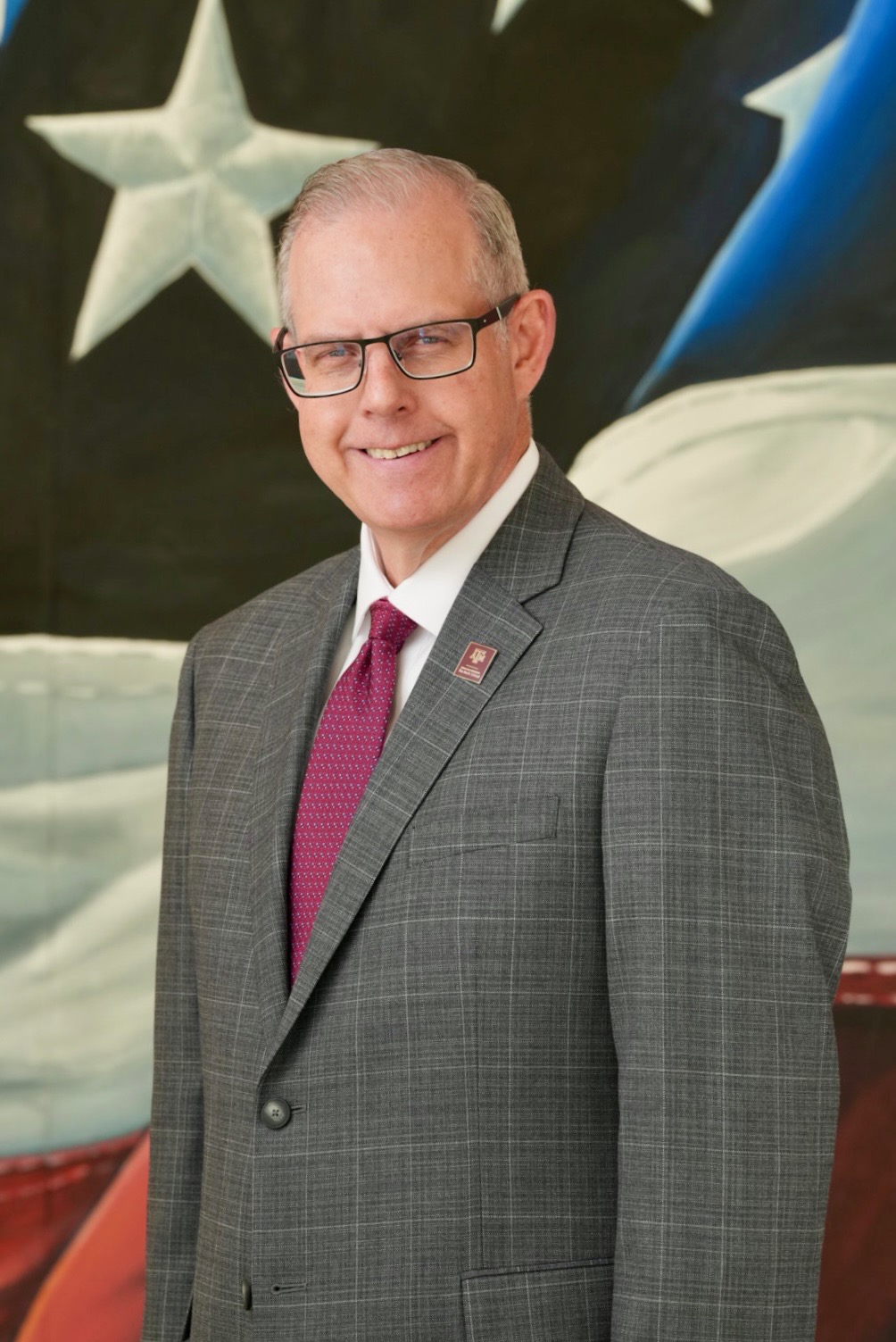
John B. Sherman is the former Principal Deputy Under Secretary of Defense for Intelligence and Security, a title that comes with the 'Honorable' designation for life. He is a longtime advocate for user experience and human-centered design in government technology—and for the proposition that kindness is a leadership strategy, not a soft skill.
More Conversations
Every episode is a different story about the space between one chapter and the next.