[00:00]
Letting go of that codependence has been a really important step forward in my life. And I didn't choose to be unemployed, but once I made peace with being unemployed, I could make the choice. to Look within and do the work, right? And so I leaned into therapy, and sort of rediscovered myself. We were still kind of going through the thick of the process of getting divorced and, you know, healing from. those wounds and the trauma and. And then when I did finally emerge from that, I was like, man, I gotta get my shit together, right? I just started cleaning up and just unpacking shit and like actually trying to make my apartment into a home. I got a new car and I started going to the gym again. I started rock climbing again. I started traveling and I started reaching out to friends but being able to take that time and really rediscover myself. Like I can look in the mirror now and I'd say like, hey, I like you. I'd buy you a beer. I would take you out for a beer. And that made a really ⁓ big difference in how I was able then to recommit to putting myself out there on the job market.
Welcome to Life Between Titles, I'm your host, Savan. there's something about talking to another father that just hits differently. In this week's episode, I sat down with Michael Lee, someone I've known since high school, but really may have never known until now. We talk about success, identity, and the space in between, and what it means when life asks us to start over. But what stayed with me the most was the way he talked about fatherhood, the quiet weight of it, the beauty, and the heartbreak. Mike spoke openly about his divorce, the pains of showing up to events alone, and the struggles of trying to hold it together for his kids even when his world was seemingly falling apart. It made me think about my own journey as a dad. The times I've tried to solve everything, to fix everything, to make the world feel a little less uncertainty for my kids. and how often what they really needed was just somebody to be there. Fatherhood changes you in a way no title ever could. It humbles you. It reminds you that love isn't found in grand gestures, but rather it's built in quiet moments, in the spaces where you simply stay put. This conversation hits deep and I'll remember it for a long time. Here's my conversation with Mike Lee. Let's get it.
Mike, how are you doing?
Hey Savan I'm doing great. It's great to see you again.
It's great to see you, man. You know, I think we've known each other. We've known each other for sure since high school, but I don't know how many years that is. That's got to be like 15 now. 20. You're also by, I don't know if it's coincidence or, or, or what, but you are also the first person of color that I've interviewed. How do you feel about that?
Don't make me do the math, man. It's Saturday. Modern man. mean, yeah, look, it's a there's a first for everything, right? But yeah, think, you know, we obviously share some some heritage, right? ⁓ think it's I think it's important for for, you know, like people who look like us and have our stories to be able to share, share our stories with others.
Yeah. Yeah. Yeah, I agree. I definitely want to dive into that a little bit as we talk about your background, especially in schooling and how that sort of like has influenced who you are now. But before we get into the deep stuff, a couple one word questions I'd like to throw your way just to give people a little bit of an understanding of who you are. Mike, what is the first word you think of when I say economy?
boy. interconnected.
Ooh, okay, why is that?
That's what an economy is. just, it's a complex system of lots of different entities and individuals trying to optimize for their own things. It ultimately results in a pretty interconnected ecosystem.
Yeah, you know, a lot of times people are always complaining about the interest rates or jobs and that's like the one thing that's like screwing up the economy and I consistently hear that. What would you say to people that say stuff like that to you?
I would say don't worry about the things you can't control.
deep. I love it. I love it. Next question, Mike. What word scares you right now?
I'm a little struggling to come up with one word to answer you with, but... suffering.
⁓ okay. Tell me more. Tell me more.
And it's not so much that it makes me fearful, but rather sad. think they're... You know, we all have our stories. I've had my periods of suffering. I've seen my family suffer. I've seen friends suffer. I see a lot of people in the world suffering. It sucks. I wish there were less suffering in the world. And so ⁓ it's less, yeah, it's less that it scares me. I mean, I guess there is some fear there because I do think that it is because of that suffering and so much of that suffering remains unseen or uncared for that we see some of the strife and the anger and violence that we do in our world. Yeah, if we could all just take a moment to take care of each other and ourselves, maybe we'd have less suffering.
Yeah, greed. had Howie Cohen on and he was talking about how he would prefer to find peace over happiness. And that struck me as something that's super interesting because peace isn't something that you think about, at least I don't think about naturally when I am going to work or taking my kids to, you know. practice or going on a date with my wife or any of those things, right? You're trying to achieve this happiness date, but the more I think about that, the more it actually makes sense to me and the more that it grounds you in what exactly will give you that peace of mind to be able to continue going into that next day. And I'm, and when you mentioned suffering, that is, that is very, at least in my head, analogous to that. that same sort of comparison of like the difference between peace and happiness.
Yeah, I really liked it. I listened to that interview and I thought it was such a great conversation. I'm really grateful that you've made it available to the world. pieces. Yeah, I think we can get deep into peace. I, you know, I heard something, you know, this is a couple weeks ago that This concept of serenity, right? And serenity is not the lack or the absence of storm, or the ability to find calmness within the storm.
Mm-hmm. Interesting.
Yeah, I mean Life's not always gonna go well Thanks, it's gonna go down right like things are gonna happen like some guys gonna cut you off on the 405 You know someone's gonna piss you off at work somebody's gonna Or cut you in line at at the supermarket You're gonna get in fight with your kid. You're gonna get a fight with your family These things are going to happen and Serenity and peace is not the absence of those things. It is the ability to navigate through them and find peace from within, to be able to meet those challenges, those opportunities to grow and heal. But it's not easy. It's not easy.
Yeah, I like that. the best thing about starting this podcast is seeing how people have tried to navigate during these uncertain times, at least for them, and hopefully find some serenity. know like the last couple of interviews, there have been some pretty massive transformations. And the one common thing with that transformation that people have is they have pushed through a large amount of discomfort and uncertainty. And I'm wondering, like, in your search for serenity, are you putting yourself in a position where you can push past some of that discomfort? And I don't know the answer. Like, I constantly think about that as well, right? Like, what is sort of that trade-off between serenity and maybe like putting yourself in a position where you can be at a different place in life. Interesting stuff to think about for sure.
Yeah, let's come back to that.
Yeah. So Mike, tell me about where you were born. Where'd you grow up?
Yeah, ⁓ I was born in Wichita, Kansas. So, and I often joke, you don't meet many Chinese Americans that were born in Wichita, Kansas, but here you go. It does happen. And it's funny, you know, you know, again, common things here, right? But like my parents were immigrants. Both my parents were born in China in the late thirties, early f...
No. I don't know of any besides you.
[10:00]
early to mid 40s, know, China was on, ⁓ China was at war, right? Like, like, World War Two, Japanese, Sino-Japanese war. And, you know, they went through a lot. And they managed to survive. And then there was the Chinese Civil War. And both my grandfather were in the nationalist government. So, you know, they obviously had to flee China in 1949 when the communists took over. So, you know, one thing led to another, they ended up
Mm-hmm.
going through undergraduate schooling in Taiwan. And then they moved here to the States, as so many families do, to just seek a better life. They both ended up, they were lucky they got into PhD programs in the States and were able to stay, find jobs. And my dad was a mechanical engineer, so he eventually found a job at
Mm-hmm.
Boeing and that's why we were in Kansas because they had a big presence there. And surprisingly, there were actually a lot of Chinese Americans in Wichita, Kansas. This is a little known fact. We kind of knew all of them. It wasn't like a huge commitment, but we knew a lot of them. It was like some of my memories of growing up were Friday nights was Ma Dong night where all the family would come over to our house. Everyone would bring a dish. It'd be a big potluck dinner. Everyone would eat.
Really? Right.
parents would play Mahjong until two in the morning and the kids would play sardines in the can and the payment system and duck hunt and you know whatever it is we were doing at the time and so yeah that was that's where I was born you know when I was 10 we moved to Seattle obviously my dad was working for Boeing and we needed to move and sort of an economic thing
Yeah.
And that was, I'm really glad we moved to Seattle. I still love Seattle. mean, you know, my son is a diehard Seahawks fan. We're rooting for the Mariners, right? Tomorrow's a big game. And, you know, I love everything about Seattle in terms of the vibe, the culture, the outdoors, the mountains, the water. And so I live in LA now, but I very much miss Seattle.
Yes. Yeah. Yeah, it was interesting for us when we moved down to Southern California. This was for job that I had with Karyo. Samantha was very, very young, my daughter, and we really wanted to have her experience a different environment and be able to get outside and run around in the sun and... You know, all the reasons why people typically move to Southern California. And we were living in Orange County and I just remember, you know, the differences between the lifestyle of growing up in Seattle versus growing up in Irvine was very, very different, at least in my opinion. And now that I'm back up here in Washington, you know, can appreciate the things that Southern California gave me. I don't think I really fully appreciated it while I was there. Like the traffic and all those things, right, that you hit every day. But I did really enjoy it. What made you want to move to Southern California?
Yeah, great question. So, you know, my wife at the time we're divorced now, but my ex works in the media and entertainment industry. So we had met in York, got married in New York. had two kids and she was being offered a promotion. So they offered her to relocate her to LA and she grew up in LA in San Gabriel Valley. parents were still here.
Mm-hmm. okay. Okay.
Her brother was in California. My parents were up in Seattle still. And so, you know, we just had two kids and, you know, I was at this point running my own business and I could work from, it was just me. could work from wherever. So we just kind of looked at each other and said, do we want to do this? And so we said, yeah, let's, I mean, I think it's, you know, I think. I do, you know, I love a lot of things about New York City. It's a wonderful town and it's so rich and there's so much culture and the, the, the concentration of creativity and intellectual curiosity in New York is really kind of amazing. There's like no other city like in the world. but it's also a rat race and like, you know, raising two kids in New York city is just.
Yeah.
It's tough. So yeah, we made the decision. In my mind, it was not a particularly hard decision to make. Plus, you suffer through enough Northeastern winters. No, yeah, summers in New England and New York are just awful. So yeah, there's a little bit of a trade-off. Yeah, you got to deal with traffic and smog.
And summers, and the summers are hot. It's humid out there.
gets hot in the summers here too, but yeah, SoCal life. It's hard to really complain too much about SoCal life.
Yeah, I agree, I agree. Mike, I want to take it back a little bit to high school, which is where you and I met. And I'd love to get your opinion on a few things that I've been thinking about, especially the last year I've been writing this memoir and trying to reflect on my parents' journey and what it means to be an American. how we actually shape our identities and what that looks like. One of the things that I've been writing about is my time in high school and in college. And I think those were very formidable years. You and I went to the same high school. It's called Lakeside. And for those that don't know, it's a smaller private school. I don't know how big it is now in North Seattle. And what I remember about it is that it was It was very hard, at least for me, from an education perspective, because I was transitioning from a Catholic school in Berrien, which is south of Seattle. And I just remember I got straight As, and then I went there, and I remember my junior year, I got put into a sophomore level math class just because things didn't transfer over well, and I struggled a lot just in certain parts of... in certain parts of the more STEM-oriented classes. But I also remember that it did set me up well for college and what that looked like. There were things though that I always found super interesting, and one of them was sort of the shape of the community there and how things like race and how much money your affluent parents were, how accessible you were to things like, I don't know, internships or availability to have people vouch for you when you're applying for college, like a lot of those things. I didn't ever think about it. I don't think anybody ever thought about outside of people at places like Lakeside. What was that like for you? And how do you think that you know, those high school years shaped you going into college and then after that.
Yeah, great questions. mean, yeah, academically, think, yeah, you and I had like a similar experience, right? Because I went through public school, like my whole life up through middle school and... I mean, you know, I don't know. I honestly think that part of it was because I'm a September baby, so I was really old for class, right? Like I was one of the first guys at Lakeside that had a driver's license. so, like, I don't know. I mean, I was able to cruise through public elementary school and middle school and yeah, straight A's was like not a thing. And then, you know, like I think even like going into Lakeside, like I was a year ahead in the math program.
You
public school. And I remember getting to Lakeside and just being like, oh crap, I do not know anything. I was like, I got placed into, I think, geometry freshman year. And then I was like, I don't understand this algebra thing. Like, don't know this stuff. And so I really had to ask for tutoring in my first fall semester at Lakeside.
Yeah. Yep.
I do think that ultimately, Lakeside does a good job of like, at least for me, they met me where I was and sooner or later, I kind of got into the rhythm and got the drill. so Lakeside was just an unbelievable academic preparatory experience. mean, it is a prep school. I went off to college and college was just like a walk in the park compared to Lakeside. I mean, remember going to school, going to sports packs, coming home, and then literally just working for like five hours, six hours until midnight or one o'clock in the morning and go to sleep and then wake up and do the same thing over again. ⁓ So there was definitely like, there's some, I guess, there's definitely some value in just like the rigor of the academic program and I guess the discipline that it sort of.
Yeah.
puts in an individual to get through things. I do, I want to come back to your question about like race and socioeconomic class, I guess. Like, I mean, my family was not a rich family by any stretch of imagination. mean, we were solidly middle class, I would say. But you remember, like, out Lakeside, there was like the, it was like the elite of the elite in Seattle, right? You know, like some of them, you were going to the school with kids whose parents were like,
Yep, I do remember.
the names of companies and buildings and yeah, for sure. And so, and I just remember like the first time I went to like someone's house in the islands, know, this neighborhood, this rich neighborhood.
Yeah, and buildings and university buildings. Yeah. Yeah, I didn't even know it existed until I went there. I was like, what is this like fortress of solitude of mansions?
[20:00]
I know, I had no idea. It's crazy. And the first time I remember like driving through the gate for the first time, my dad dropping off at the stop, I was like, what is this? Like, what is this place? Like, our practice only existed in movies. So yeah, I mean, like my parents were not wealthy. So, you know, we weren't poor, but I was like, man, we were nowhere.
You
like in the stack, you know, if there's a stacking order, we're nowhere on the stack. Like we don't even show up on a chart. And it was beyond that too, right? Because like, I remember kids in our class talking about how like, oh man, the moms are like so involved. know, Lisa's mom knows this thing happened before I happened. And you know, look, I mean, for, you know, whatever circumstances in our life, like my mom and dad.
Right. Right. Yep.
quote unquote, separated and they're still married today and actually they're living together again. But when I was going through Lakeside, my mom didn't even live with us. She was living back in Kansas. And so she obviously very plugged in to the community. And my dad, I love my dad, but social networking really isn't his forte. So I kind of felt like I was navigating this crazy, elite institution.
Mm-hmm. Right.
without any kind of support from the family. I mean, not support, like, I wasn't really part of the fabric of the community in the same way that I felt like a lot of our peers in the class were. And then you add like the race dynamic to it too, right? Like I remember like us having conversations about like, like, it was like the colored people's table in the lunchroom, you know, like,
Right. Yep.
Why do they always all sit there and why do you know what? mean, there was just there was a lot of. I don't feel like tension is the right word because it wasn't like this pot waiting to explode, like this pressure pot waiting to explode, but there was definitely like this dialogue that wasn't being spoken under the surface. And it would come up at times and then, you like you might have like one retreat or one meeting to talk about it and then it kind of like fade away and people kept...
Yeah, I don't either. Yeah.
sort of live, living their lives according to certain patterns. And I think... something, it's interesting because I was at this alum event with a bunch of Lakesiders just this past week, actually on Thursday night, that's two nights ago, and Kai was there, like the new head of school, and not that new, he's a couple of years into the job now, but I was talking to Kai about, hey, no question that Lakeside has exceptional academics, but what, where do you feel like the school needs to grow? where is this biggest opportunity for growth? And I was particularly, you know, questioning about like how, are you doing to help students prepare themselves? I didn't use this word, but essentially like spiritually, right? Like as a person, like, you know, quote unquote, soft skills of resilience, grit, confidence, emotional intelligence. And I was really encouraged to hear him.
Mm-hmm.
talk about how they are shifting the curriculum, shifting how the program is structured to really invest in those skills and the kids. So I wish we'd had more of that.
I do too. I do too. And you know, it's funny now that there's a wave of different skill sets and I feel like it happens every 10 years, maybe five to 10 years that you have to be aware of that you just didn't know when you were going through school or early in your career. I feel like there's this right now this wave of AI. and technical skills that we didn't have to learn 10 years ago. There's also a set of skills around, you talked about EQ, the emotional intelligence that they don't teach you as well when you're in school or when you're at work, quite honestly, that when you're applying for jobs, that is one of the things they ask you about, right? Like how do you handle... these types of situations, what would you do if you were presented situations that could be somewhat contentious or, there's all these things that we just, I don't know if we intentionally ignore them, but they're not the things that we're teaching people. And I wonder if there's some way where we can help connect those dots, especially earlier when the kids are either in. I mean, I would even say middle school, because situations like that do come up and they're learning about themselves, but they also are trying to learn about how to navigate just their entire universe at that point.
Yeah, and would take it even further beyond middle school. Elementary school, preschool, we need to be building these skills. I mean, you think about the mind of, and I know you have kids too, right? The mind of a three or four five-year-old, right? It's all emotion, right? They don't really have the capacity for logic and rational thinking. It's really all being driven by that downstairs brain, the limbic system.
Mm-hmm. Right.
and sort of building the foundations and tools and skill sets to manage that part of the brain, which is a very important part of how we think and behave as human beings is so critical. mean, one of the things, so both my kids have gone to a small private school here in California called Children's Community School. And one of the things I love most about the school is that
Right?
they do make time and they do, they are intentional about the curriculum in terms of addressing this dimension of social emotional learning and conflict resolution. They're very intentional about making time in the schedule, making time in the day and the weekly routines of teaching kids how to identify their emotions, talk about their emotions. And you know, when there is like that,
Mm-hmm.
fight on the schoolyard or that disagreement in the classroom, they're actually making the space and giving the kids the skill sets, the routines, the algorithms really to actually handle those kinds of situations. I can't, I so dearly wish that I had gotten more of that earlier.
I do too, I do too. And I wonder if we were taught those skills, because I think some of it is just having the tool set available so that you can go back to it and apply those tool sets to these types of situations. But ⁓ there's another part of it where it's, I think, just having the opportunity to exercise those types of things. Right now, there's just so much uncertainty in the world with people in between jobs or in these difficult situations. you know, I was in therapy probably about a year ago. And one of the things that I've been working on is trying to figure out how to better communicate my emotions in a way that is that is resulting in things that I can apply some sort of action to. Like I'm a very good person when it comes to speaking my mind about certain things, but I have a hard time saying that this made me angry because X, Y, or Z, here's how we can talk about it. So that there's that emotional component that I'm just recently sort of getting the skill sets and that tool set. to be able to work through that I never had before. And I think if we were doing that a lot younger and a lot earlier, when we get to situations like, hey, I'm in this really stressful place, I don't have a job, nobody's hiring me, or I got laid off because maybe I was in some sort of argument at work and now it's sort of impacting my life in other ways. I wonder if it could be beneficial for just society at large because I think a lot of times we're putting these situations and it's like I don't know how to deal with it, right? And you end up being very self-destructive.
Yeah, I think that's, I think that's right on. I have to believe, I want to believe that if we had better skills in this dimension as a society, as a country, as a world, like we would have a lot, a lot less suffering, a lot less conflict in this world. mean, when we look at the divisions across the aisle between red and blue or left and right, coastal, middle of the country.
Mm-hmm. Yeah. Right.
so much is just about like not being able to like talk through those, you know, areas of discomfort and discord and not being able to have compassion for the other side and not being able to have the empathetic towards the other side's experience. So I'm curious actually like double clicking back to you. Like how do you feel like your Cambodian cultural heritage shaped your growth in this dimension of emotional awareness, emotional intelligence.
I think the next generation, so my daughter's generation will be pretty different than how I was raised. There's very little in terms of emotional support that I got. And it wasn't that my parents didn't love me. They clearly did and they still do. It is that a lot of times there are situations that were either hard for me or I just didn't know how to navigate that. I don't think they were well equipped to be able to help me talk through them in a way where it wasn't sort of at that surface level. Like we talked a lot about success and I think the background of the immigrant story of coming here and being successful and being rich or having a good job or having a good title or going to good school. was very much the priority in many ways, right? And that was sort of like the reason why you did certain things. You had a tutor or you went to a good school so that you can get to that next level. But I didn't have a lot of conversations around, like, is this something that is going to put you in a place where you're maybe emotionally more stable or... You know, you're setting yourself up for being a good father so you can actually like, you know, do the things you need to do to, for your future kids. And, we never had any of those kinds of conversations. And it was very much because like, at least my parents, you know, they worked multiple jobs and, the amount of time they had to invest in things like that was like very little. ⁓ and, and even when we did have that time, I don't think.
[31:23]
.
⁓ that was ⁓ the priority, right? Because like, I mean, I'm feeling this now, there's a certain amount of time that you're trying to hustle and do your work. then by the time you get that little chunk of time, you're burnt out, right? You're just like, hey, I a long day. Like, it's hard to get deep and it's hard to have those conversations without it sort of like taking away from something else. And it's very challenging.
Yeah. Thank you, Danti.
very challenging.
Super challenging. Yeah, I if you're working multiple jobs and you're just you know, the tank is empty at the end of the day like yeah, like Not only that right? There's no energy for it. But I think you know for for my parents I suspect for you like I mean my parents didn't have like good role models It's not like you know They didn't really get that from their parents Their parents were just trying to survive a war right like I mean so, you know
Mm-hmm. Yeah. Yeah.
And I'm sure then their parents before them did not have great role models. And so, you know, again, I think this is not, I won't say all this to, you know, throw a pity party for myself, right? It's like, this is not like, what was me kind of situation, but it's just, it is an examination of the facts. And I think the opportunity here is like, we get to do something different. Hopefully, hopefully we get to learn something from.
Right.
you know, whether it's pain or suffering or just mistakes that we've made in the past and hopefully strive for something better in the future.
Yeah. Mike, I want to go back to your college years. I know my college years were somewhat of a jumbled mess if I had to reflect on it. But you went to a college that I didn't get accepted into, that I would have loved to go to. You went to Dartmouth. Did you go there for four years?
I did? Yeah. Totally heard.
How was that and compare that to sort of like what we were talking about with Lakeside? Was it a very similar experience? That's what I picture in my head at least, is that it looked very similar to Lakeside academically. I feel like it's maybe on par with it, but like what was it really like?
Um, mean, academically, so much easier. I mean, I, I don't know. think I. In college, I got really good at figuring out what worked and have to be done. Um, and I would just, you know, what do I, I would do enough to like know how to write the paper or show up for the test and get through it. And, you know, for me.
Damn it, I should have gotten in.
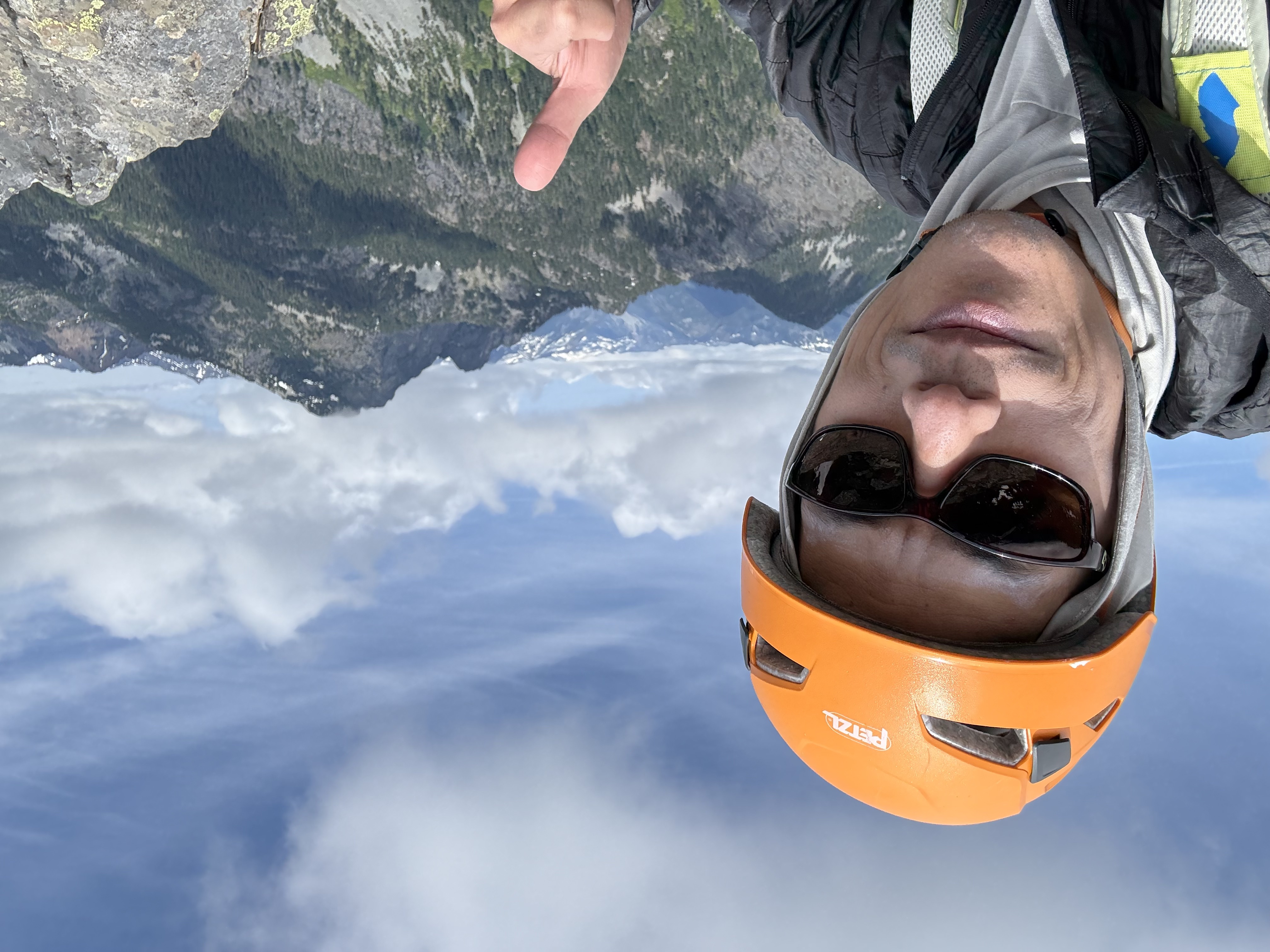
At the end of the day, was really happy to go to Dartmouth because we talked earlier about the mountains and the water and just being out outdoors and the great outdoors was so important to me growing up in Seattle. then going to Hanover, New Hampshire, it was like, was like mecca for me in terms of being able to be in the outdoors. so, yeah, I took full advantage of the out of classroom experience there. I would say just, you know, I took up rock climbing. I became a rock climbing instructor through the PE program there. I was avid snowboarder. I became a snowboarding instructor, you know, like where there were winters where I was, you know, living next to the pond. So I'd go to class in the beginning of the day and then come back to my room, throw down my books and then grab my skates and go play ice hockey on the pond until like it got dark. was like, was ⁓ in many ways, it was just like this idyllic
Yeah.
bucolic, you know, very happy place. And yeah, it was like, you know, it was kind of, you know, it's a party school, there was a lot of drinking and, you know, playing beer pong, you know, late into the night on the weekends. I didn't enjoy enough fraternity, but I hung out with the fraternities a lot. You know, in terms of the social dynamic, I do think it was, you know, one of the things I felt graduating from like, because, so we always a small class, right? I think we had like 100 15 seniors in graduating class, something like that. And then by the time we graduated, I was starting to just feel like a little claustrophobic, like socially claustrophobic. was like, I don't know, like I just like, need more, I'm like, need more opportunity, I more people. And I think Dartmouth was a little bit of that. Like it is a bigger school than like almost every college is. It was still a small college. And so that was somewhat refreshing. I would say that like, There was less of that dynamic of, oh, like going to somebody's house in the islands and feeling, oh my God, like I'm just like nowhere on the same chart as these people. Everyone's living in the same dorms, right? Like, you know, like it kind of felt in a weird way that they're like the playing field was a little bit leveled, even though surely it wasn't, right? Like, I mean, there were definitely kids at my school, as I'm sure yours, like where, you know, they came from incredibly powerful. It just wasn't as obvious like who those people were. You think like Dartmouth was a relatively diverse school and there was like quite a few people who looked like me and talked like me and had like, you know, we could talk about like our shared cultural heritage and that was welcome. did like, you know, I was somewhat active in like, you know, the Asian students clubs and that did kind of help a little bit with you know, helping to define my identity a little bit. And actually what I did love was I had the opportunity to go travel to China as part of my, so yeah, I spent three months in my freshman summer living in China with a bunch of kids from Dartmouth. We were on a study abroad program and that was a really neat eye-opening experience.
wow. Did you feel like when you were in China doing that study abroad program, did you feel connected to the culture and the people there or was it a different feeling?
you not really, right? Because I mean, I was born in Wichita, Kansas. I'm like, we used to use the joke banana, right? in life back then. And like, was really like a banana, like my friends would call me banana. For people who don't know, like that's yellow on the outside, but white on the inside. I mean, like, I, you I say, I still say y'all sometimes, right? Like, I just, it's, it's,
Yeah. Yeah. Yep. All right, yeah.
It's a thing, right? And it's funny, I you know, we'd be in Beijing, I'd be like in a taxi cab driving across town, the driver would start talking to me and like, you'd be like somewhat surprised that I was speaking Chinese to him. Like, you speak Chinese? like, yeah, I'm Chinese. Like, oh, you don't look Chinese. I'm like, well, what do you think I look like? Oh, you might look like you might be Mongolian or Manchurian or Korean. But I'm actually from America.
Yeah. Yeah.
⁓ you speak Chinese very well for an American. So there was definitely that aspect. I think a lot of Asian-Americans feel this, It was like not truly belonging in America, but not really truly belonging in your homeland either. There's this awkward in-betweenness. So yeah, I mean, that's the answer to question. I didn't really feel at home. And yet it was...
Yeah. Right.
so interesting to be able to experience aspects of the country where my parents were born. mind you, this is like in the late 90s when China was, it emerged from sort of the worst of Maoist China for some time, but it was still pretty early in its evolution from the... cultural revolution and transition into what is now effectively Chinese capitalism. So there was a lot of, you know, like we would go on these trips to inner Mongolia or to Western China where was, you know, we're like kind of roughing it. It's like, wow, this is, this is a third world country still.
Yeah. Yeah, for sure. mean, relatively speaking, the transformation is nothing. What was one thing when you were over there that you wanted to get out of that trip?
I don't know that I was self-aware enough at that age to answer that question. I know, I just, I...
Yeah.
you know, as a teenager, young adult, I do so many things on somewhat with for somewhat whimsical reasons. And I think, you know, we had a language requirement at Dartmouth, I was taking Chinese class my French my freshman year, and then the opportunity to go on this trip came up and I was like, and I will say like, I had, I had done a similar trip when we were still at Lakeside, I think it was ⁓ the summer between our sophomore and junior years, I went to Taiwan and I spent the summer living in Taiwan doing a similar kind of language study abroad thing. And that was that had been such a powerful experience. That one in particular had been a much more powerful experience, actually, because that program was put on by the Taiwanese government and it was specifically designed to bring, you know, everyone back from the Chinese diaspora. They wanted people to come from all over the world.
Mm-hmm. Wow.
[41:04]
come back and experience like Taiwanese Chinese culture and be together again. And so it was just like the wild experience because like there were, you there were a bunch of kids from America, right? Like not just like the coastal cities, like Dublin, Ohio and Austin, Texas. But then like, you know, there were, I remember there was like these Finnish twins that were half Chinese, half Finnish from Finland and people from Belgium and from Singapore and Australia. And it was like,
WAH
just the incredible cosmopolitan mixing bowl of people with common Chinese heritage. And that was just really cool.
Mike, there's... There's something I've been thinking about. I'd love to get your opinion on it. It's this idea of, at least in my head, it's this idea of being in limbo or purgatory and not being able to really identify what that thing is that's causing you to have so much anxiety. this is maybe a roundabout way of getting to my point. ⁓ But I promise I'll circle back on it. So I went to Cambodia back in I think like 2010 and you know like you it was a very interesting experience because like I wasn't fully Cambodian because I'd never lived there. And I don't look like it. I'm not dark enough. I'm too tall. You know all the things right and so When I was there, nobody knew that I was Cambodian, and I don't speak the language that well to pass off as like a fluent person who lives there. So many times I was just like a tourist, even though I was there with my aunt and my uncle and all those things. And so I never really felt like I belonged to that culture. Even to today, I don't feel like I could ever move back and live there, even though that's where we're from. I feel the same way as I'm reflecting on this transition time for me right now where I've spent 10 years almost in the Department of Defense doing DOD things. Then before that, I spent 10 years doing product and design stuff. Before that, I was just trying to figure out what I wanted to do with websites. Every single one of those things has left me questioning what it is that really sort of makes me me, right? Which is why it's been really hard to try to figure out what I want to commit my life to next in terms of a job, because a job's gonna be eight hours of your day if you're lucky. And for you though, you went abroad, you studied, in China, you've come back and you've done amazing things in a wide variety of different fields. How have you thought about identity and commitment and where you actually want to put your time for the next five or 10 years?
Hmm. Yeah, ⁓ I was hoping we'd talk about it today.
Okay, I swear I didn't set it up.
Yeah. you familiar with Simon Sinek? Yeah. Yeah. I'm a huge fan of his. Like, it's like every time I listened to him speak, it's like, I mean, first of all, I know his voice like intimately now, right? So I don't even need to see his face, know that Simon, you know, he has so much stuff, good stuff out there, you know, podcasts, interviews, speaking engagements and
yeah, yeah, big fan. Right.
can't remember which interview I was listening to, but he told this story about a general he met from, I can't remember the army or what, but high ranking officer from DOD and... this guy tells a story about how you went to this conference one year in New York City or whatever. And like, you know, he was asked to be a speaker, featured speaker on the stage. so that, know, like everything was taken care of that, you know, car met him at the airport, drove him into midtown. Someone met him at the curb, escorted him into the ballroom, handed him a coffee, sure he had everything he needed. And then boom, he was on the stage and speaking. And then he
Mm-hmm.
flex on how the next year he went back to that same conference, but he had resigned or whatever, moved on from that position, that job. And no one met him at the airport. He took the subway into the city. No one met him at the curb. like no one knew who he was. No one knew his name. No one knew. No one knew him as anyone other than Joe Schmo. We just walked in off the street and. You know, I think, you know, I'm butchering the story, but like the point of the story is like. When he had the title. It was like, I mean, you know, he was the most important man. in this people's universe. And then as soon as he didn't have the title, he was just Joe. And that story has stuck with me because Simon has additional thoughts here. He's like, I believe if you go to his LinkedIn profile, like, know, everyone has their little blurb of like who they are under their name, right?
Mm-hmm.
And his is very specific. Do you know what his blurb is? says ⁓ optimist.
No? Uh-uh. ⁓
And he's very intentional. He talks about this. He's very intentional about that because like, I'm an optimist and I will be an optimist until I die. No one can take away my optimism. No title, no job, no house, no citizenship. like there's nothing, no one who can take that away from me. And so, that's a rather bad way of answering your question, but I think. For so many people, for so many of us, we come into this world and we're raised by our parents who are doing the best they can to give us a life, to give us a chance in life. we... We adopt these mental models that assume that we need to do X or achieve this milestone or get straight A's or get this score on the SAT or get into this college or get this job or get married, have kids. There's all these things that we think that we have to check off the list of life in order to have identity or have success. And I think I've, you know, I'm 46 years old now. We're both in our midlife. And, you know, I've certainly, I do think I have gone through my own midlife crisis in the last couple of years. And I've come to, I've come to accept that my job doesn't have to define me. My hobbies don't define me. My interests don't define me. You know.
Mm-hmm.
my marital status doesn't define me. mean, none of those things inherently define me. I mean, think they are, let's say they are necessary, they're a necessary part of our identity, but not sufficient, right? Like that sense of self, that sense of purpose, that sense of self-worth comes from something much deeper that is ultimately just about my relationship with me. That makes sense.
Yeah, it definitely does. I'll admit, I do struggle with it as well, especially over the last couple years. mean, to that story about the general that he talked about, I can totally relate to that. When I was CXO I'd go to an event and everything's laid out. And you'd have people escort you and the minute you leave that post. And the interesting thing about the federal government, especially when you get to sort of that executive level, they cycle in and out frequently, right? Depending on who the president is, they'll have their nominations and they'll have their people and you sort of naturally have this cycle of people that come in and out that are all very important at the time. But the minute they leave, that identity goes away with them and the next person comes in. And it's very hard. I mean, this is maybe sort of like putting more out there than I'd like, but I do think it's very hard emotionally to know that you've been in that position. And then when that goes away, you're just like, okay, how do I, do I need to reinvent myself? What does that look like? How do I actually make an impact? And is it okay if I don't do those things, right? Like maybe I just want to blend back into the world and, you know, not have to worry about getting that next executive position to do those types of things. And I think that's the struggle that many of us have now, especially, I think, people that are of our age with our background and knowing the things that we've done in the past. Like I constantly think about like, am I squandering sort of the all of the currency I've built up over the last 45, 46 years if I don't go and try to get that next big title job. And it definitely gives you a lot of anxiety.
Mm-mm. Yeah. Yeah, I think I've felt that anxiety. I've felt that, like I know you and I are liking each other's LinkedIn feeds a lot, right? And I think LinkedIn is so wonderful for so many reasons, but it's also a really dangerous place for me to be, right? Because that keeping up with the Joneses like little like that back, you know, know, that, So a wounded voice in the back of your brain who is like, I'm not good enough, I'm not good enough. Why am I not doing that? Why don't I have this? Yeah, why haven't I succeeded like Ted, right? Or Jim or Bob, right? And it's just like a dangerous space to be. mean, it's like one of my favorite books. There's a line in it like, what's the biggest waste of time comparing yourself to others? So.
[51:33]
Yeah. Mmm.
I do find myself taking time, especially when I feel myself getting triggered in that way, where I'm starting to like go down that little, little shame spiral, although I'm not good enough. I just take it, I remember to take a beat and say, Hey, like you're not, you're not running their race. You're running your own race, run your own race, right? Like focus on you and focus on what makes you.
Mm-hmm.
you know, back to your earlier question, like not necessarily happy, but peaceful. So, so I think that, yeah, particularly, yeah, peers of our generation, peers of our age group. I know a lot of us who are sort of running into this sort of existential crisis period in their life, Where They have had success, right? Like they did get the C level title. They did make partner at a firm. did, you know, they did a few things or maybe they didn't and they're still struggling. And suddenly, know, change, things don't work out, and you're not employed in that job, that title, that position that gave you so much of your identity. And this is not the first time this has happened, right? Like, this happens over and over again in society, right? Like, whether it's, you know, Olympic athletes who, you they reach the pinnacle of their sport, they, know, multiple gold medals or multiple Olympics in a row. they retire and suddenly they're depressed because they don't have that thing that's tying them to the world that's connecting them to a purpose and So. I guess this is why I just think the way that Simon Sinek encourages us to think about life is so valuable, right? Because at the end of the day, I do think about someday down the line, several years down the line when I'm on my deathbed, how do I want to think back on my life and reflect on it? Do I want to just find out how much money I made or how many companies I was involved with or what titles I had? No. There are things that are much more precious and meaningful. I think it's going to be about the relationships I had and the growth I went through. mean, for sure, I made lots of mistakes in my life already. I'm sure I'll make many more in my life. And I will, you know, I will of course regret my mistakes, but those are also opportunities to learn and grow.
Yeah, I agree. Mike, I want to maybe shift gears a little bit and talk about some drivers for you for some of the things you've done in the past. You, I believe, worked in finance for a long time, investing in strategy. What got you into that? seems like, especially, I think you said you were in New York. That's like the Mecca for... all those things. The things I see on TV around that just gives me a shitload of anxiety. Like it's like super fast pace, cutthroat, no compassion, but you were like deep into it. What made you get into it?
Um, yeah, it's like growing up in Seattle in the nineties, I'm sure you must remember, right? Like there, like Seattle was like such a happening town and it's still in many ways, it's still is right. But, you know, I remember coming home from school and opening up the Seattle times and just reading it, you know, cover to cover through the Seattle times and, going through the business section. It was just like. Microsoft was just like explode. Like those are where the hate that was the hated Microsoft or the stock just never.
Mm-hmm.
never quit, kept going up and just, I remember reading those business stories in the Seattle Times. I remember like, you know, some people probably don't know this, but like Bill Gates and Paul Allen went to Lakeside, our high school. And so there was, and you know, just kind of being in that primordial soup of economic growth and creativity and ingenuity. think there was just a part of me that always want to be involved in business somehow. think beyond that, like, I think I wanted to be an entrepreneur of some sort, but I had no idea like what the idea was going to be. I wasn't like, I wasn't the guy who, you know, came up with the next great mousetrap or great consumer products. But I wanted to be in business. So my brother who's eight years older than me had also gone through finance. He had worked on Wall Street as an investment bank and then in a private equity firm. I guess because I didn't have a better idea of what to do. I was like, maybe I'll do that. Why not? And so it just, again, I mean, another one of those things where like, you know, being a naive young adult, I just did the thing that seemed to make sense at the time. And yeah, it was, it was like the, you know, the thing that gives you anxiety to watching it on TV or whatever. mean, like, a lot of that is dramatized.
haha Right, right.
force. yeah, mean, 80 hour weeks, 100 hour weeks, working on Wall Street, pulling all nighters, you know, it's yeah, there was a lot of that was super intense. talk about emotional intelligence. I mean, that is not something that, you know, Wall Street necessarily necessarily re-pop values very highly. So don't go there looking for it if that's what you seek in a career.
Right Yeah, that's, it's, it's so fascinating to me, the types of people that are gravitated towards that sector. And the, uh, the second piece of that is the types of people that do well in that sector. Um, I, you know, it takes so much, um, uh, resilience to be able to withstand the hours, the pressure, probably the culture, right? I don't know what the culture is like, cause I never worked in it, but like, All those things put together can make or break a person financially, but it can also break them just from a spiritual and an emotional standpoint. It's very high pressure. Almost like a startup. I remember the beginning days of Redfin every day was like, shit, I don't know how much money we have. Do we need to go raise some more money? Do we have the right people? always that last straw that could potentially break the business. I feel like finance in New York is like that as well. I don't know. You tell me.
Yeah, I mean... It was not like startups in that we, like as an analyst working at an investment bank, I was not worried about like if my paycheck was going to show up on them, you know, two weeks from now. But for sure, the intensity, the pressure, you know, the pressure to get deals done, pressure to get the presentation on time, the perfection, I mean, my God, perfectionism. Like, you know, the expectation was that you would, you know, whatever, put together a 50 page presentation for your clients board of directors and there would be zero errors in them. Not even in the footnote on, know, footnote three on page 47, there would be not a typo, right? And so yeah, it is very much a pressure cooker kind of atmosphere and it's not for the faint of heart. You know, maybe things have changed. I mean, there's a lot of things that probably changed in the last 25 years. It's been a while since I had that job.
Wow.
Um, but, um, yeah, I, I, remember, I remember sitting in the hallway with my, uh, with one of my peers and there was a managing senior managing director's office, like right, right across the hallway from us and the door was closed and there was like some poor associate was just getting reamed, like, like just taken out to the wood chipper. Like the, the,
Ugh.
decibel level in the hallway was disturbingly high like let alone in that office and there was certainly yeah, there was certainly not a lot of EQ involved in that conversation. So yeah, it's um, it's definitely an environment that was very much fueled by money and making money and you know
Yeah.
People would try to talk to good talk. was like, we're just here to do the best thing for our clients and meet the client's needs and da da da da. But deep down, was, no, ⁓ I'm here to make my next million dollars or my next $10 million or whatever. Yeah, pretty transparent.
Yeah, yeah, pretty transparent. ⁓ Did you run your own business for a while?
Yeah, I did. mean, you know, after investment banking, I went and worked in private equity for a couple of years. And then I worked at a hedge fund in New York for a number of years. And that was a that was an interesting run. Fun, job, but very stressful and a lot of personalities involved. when that wrapped up, I mean. I think it scopes back to one of your earlier questions, right? Which is, you know, like I was at that job for like three years and then they made me a partner in the firm, right? Whatever that means, I was like, I think I was like probably 28 years old or something like that. was a partner of the multi-billion dollar hedge fund, which on paper looks great, right? Like, you're like, oh my God, like I'll need it, right? Like it's fantastic and everyone's celebrating when you're toasting and... And then that firm didn't work out. had cultural issues, we leadership issues, we had teamwork issues. Like the team wasn't, in my opinion, wasn't jolting well and we didn't do well, we didn't perform well. It's like not shocking that we didn't like given all those things that I just said. And so, we started losing clients and the assets started flowing out and then I got fired, right? Which is hugely devastating. So here I am, now I'm in my early 30s, I've just had my first kid and what do you do next? You already made it to partner, I'd affirm, what do you do next? And there's that uncertainty of how do I keep this narrative going, how do I keep this story going? And I don't know if it was hubris or pride or fear, but it was probably all of the above and then some that I was just like, I don't wanna go work for some other pardon the like crassness of I don't want to go work for some other asshole. catch fun founder, like I don't want I've been I've done that already. Like I've already worked for you know, these people, you know, other people in my career that I don't really ultimately want to work for. And so I think I just I was like, I want to do my own thing. And you know, at the time, my wife was like, Yeah, well, you've always wanted to do something you've always wanted to be an entrepreneur. Like, like, why not now?
[1:02:42]
Yeah, for sure.
let's do it now before kids get older and we have to start putting them into school and paying for private school and all that stuff. yeah, so I did, I did set up my own shop. I passed the hat around, know, proverbial hat, you know, raised a bunch of friends and family money and, you know, got to work, you know, sort of investing my own portfolio, my own strategy, which I did love and I still love investing. mean, it's still my, one of my first loves. It's such a, it's such an intellectually challenging job.
Mm-hmm.
And fun, right? Because I used to joke with my kids like my job is like the best job in the world. I get paid to learn. Like it's my job to just learn about companies and their products and their businesses and their customers and the people who run the company and you know, who wouldn't like that job? I mean, I really like that job. But it's also stressful and it's hard. It's hard to beat the market. It's hard to be
Yeah. Mm-hmm.
It's hard to be right when there's uncertainty you're dealing with things in the future that you can't predict perfectly. And it's hard to be emotionally stable when the market is always telling you that you're right or wrong. So ⁓ that was an interesting phase of life. did that for like seven years before moving on to the next thing. ⁓
Was that hard shutting down?
Yes and no. I mean, think by the time I did shut it down, was time too. And I think I'd already sort of, in a lot of ways, come to terms with it already. It was... But the six years or seven years where I was actually trying to make it work was in a lot of ways harder, right? Because I wanted it to work. I wanted it so badly to succeed, and yet I was struggling. And in a lot of ways, there were moments of isolation and loneliness. I was doing it all by myself. didn't have a partner. I didn't have any employees. didn't have many days in the office to do it. You know, just me and a computer and maybe reading an annual report you know, listening to a call or just trying to figure out like what to do next. and I think for sure, as I look back on that time, I like, my regret is that, you know, why did I have to do it alone? Why did I try to do it alone? Right? Why did I, why did I for so long try to do it alone? Not like. go connect more with other people or take on a partner or be, you I don't know. There was just, there were so many things that I could have done differently about that time. I certainly learned a lot about myself in that journey. ⁓ but, ⁓ you know, I was, yeah, yeah. Being the, being the entrepreneur is definitely a struggle.
Yeah, it definitely is. Maybe take it back to your frame of mind during this period of time. What did you think success was trying to build that business? What did it look like to you back then?
I mean, looking, I mean, it just, feels like so shallow looking back at it now, right? But it was like, yeah, we're going to have really great returns. We're going to go, you know, grow the business, grow the assets, our manager, attract more clients and just, you know, make more money for people. I think that's a lot was, that was below the surface. I mean, I think I did in that moment, try to like think back to the, like the why, like, Why was I doing this? Like what was the purpose beyond making money? And so, you know, Back then, I put a lot of time into thinking about it. what I told myself was that my mission was to enable aspirations. Some people aspire to retire, aspire to put their kids through school, or aspire to start a business, or whatever it is. And the story I told myself was to make that possible for people.
⁓ wow. Yeah, I like that. I like that a lot. Last two topics, Mike, that I want to talk about, they're pretty, I think they're pretty in-depth conversations, and we could take it however you want, but I want to talk about fatherhood a little bit, and how that's changed you. Did you know you wanted to be a dad?
Yeah, I always thought I always knew I wanted to be a dad. I always thought I wanted kids. There is trying to think through this because there was a certain point where I was very, became very acutely aware of our mortality. Maybe it was in elementary school when my first grandfather died or thereabouts. and then going through Lakeside, we read a lot of great literature and studied philosophy and stuff like that. there just, you know, there was a lot of space for that kind of reflection on life. And so, At some point I got into my head that was like, well, if I'm only going to be here on this planet for X number of years, I want to have, like, I want to leave something behind, right? And just, ⁓ And I don't know if that was, I mean, it's hard to remember exactly what my motivations were back then, but like, maybe it was some form of narcissism and just want to have like, you know, quote unquote, leave a legacy. I think there's always been a piece of me that has wanted to be some kind of teacher. Like I, there were, there were a lot of teachers that we had at Lakeside and some in college who really had a profound impact on me. we still sort of very much shaped the way I think of myself and think today. And so even though I clearly have not become a teacher as a profession, maybe having kids has been a way of sort of scratching that itch.
Yeah. Well, albeit an expensive way to scratch that itch.
Yeah, definitely not getting paid to do it.
haha Yeah, mean, fatherhood for me has been this interesting journey. know, Pam and I, when we got together, she has two kids from a previous marriage, but the kids were very young when we got together. They were four and nine. hopefully my daughter never listens to this, but we never planned on having another kid, right? Like I never, I was okay, content being a stepdad. The kids were great. We had a good life and you when we had Samantha, was, it wasn't planned, but the minute that she came out into the world, it was very weird because like you're looking at this mammal that looks just like you and you're just like, what the hell is going on? And being a dad for me is just like, I always thought that I knew exactly or close to how the fuck I wanted to raise kids so that they could be successful, but the older that she's gotten, the more I have so many doubts about whether I'm doing the right thing. When she was younger, like three, four, five, sort of on autopilot, you you take them out, they run around, you come back and whatever. But now it's like, I think about how much time I spend with her, the types of things we do, am I pushing too hard on certain things? trying to have her go to play these different sports that she doesn't like. And it really is part of this bigger picture that I'm thinking about of commitment, commitment to yourself, to your family, to your kids, to your profession, and what that ultimately looks like. Where you're at now, Mike, how are you framing this opportunity right now with being a single dad, I'm assuming a single dad, and you're in this transitional period. How are you framing that?
Hmm. Well, first of all, yeah, like I think so many parents are like, ⁓ I am totally not gonna parent like that person I saw at the McDonald's. I'm not gonna parent like my parents did. Like I know exactly what my game plan is. And sure enough, like you get to like two, three, four years old and you're like, I have no clue what I'm doing. Right, you think you know, you don't know what you don't know. And...
Mm-hmm. Right. Right. Yeah Yeah.
It's a, yeah, being a father is one of the best things that's ever happened to me that I've ever done in my life. And it's also one of the hardest things I've ever done. And particularly the last couple of years going through divorce and having a very significant transformation in the shape of our lives and now having to share custody and that's tough on kids, right? Like having two homes is difficult. do more and the loss of the family life that we had before is difficult for kids and, um, you know, right. Yeah, for sure. For sure. For me. And then, um, yeah, I remember feeling a lot of shame around, uh, our separation then divorce. I remember not like wanting to go to school events, not wanting to show my face to other parents, you know, like that's how
Yeah. I mean, it's difficult for you too, right?
[1:12:21]
deep, the shame smile was taking me. ⁓ And, you know, having to get out of that was difficult, was hard. And ultimately, what I've come to realize is I just, just, I just have to show up for the kids, right? Just be, just be present, right?
Right?
I don't have to fix their emotions when they're sad. don't have to, you know, I don't have to explain the concept of pi r squared when they're struggling with their homework. just, if I can just show up and sit there and be with them, then that is well more than half the battle. Because, I mean, this goes back to your earlier question. I was like, don't. Don't sweat the things you can't control. And if there's one thing I've for sure learned in my life, is you can't control people, right? Like, it's not my job to control my kids. It's my job to go up for them and be the guide for them and share my experience with them. And hopefully they might learn from some of my previous mistakes, but ultimately they're going to have to make their own. And when they do, I can be there to just... sit there in the mud with them. And if they're angry at me, I can sit there and hear their anger and understand their anger. And if they're happy, I can be there and appreciate and celebrate their happiness. But yeah, I think. Kids have taught me that very, important thing in life. Trying to control other people is for sure recipe for disaster. Maybe it works in the army because that's kind like your job to control it. But even there, I think if you study military history, the shape of war changed a lot between the Napoleonic era and
Right.
World War II and beyond, right? Because we discovered that if we give, if you give a platoon agency to operate independently, it's actually going to set them up much better for success than they command and control everything, right?
Yeah, mean, to that point, one of the things I struggle with lately, I would say probably within the last like 15 years, 10, 15 years, is I have this propensity to try to fix everything. And it's very hard for me not to try to do that. And I'm not just talking about like, you know, physical stuff that's broken, but... anytime there is a challenging situation, whether it's at work or at home, my wife tells me, she's like, I don't need you to fix this, I just need you to listen. And I'm sure if my daughter could communicate that, she'd probably say the same thing, right? Where you don't have to have the answers. But with my upbringing, I always felt like I had to have an answer. And it was...
Mm-hmm.
Like you sort of failed if you didn't know how to fix something, right? If the thing just sat there. And I definitely struggle with that. And that's probably one of the biggest challenges I have right now in this period of transition is I feel like something needs to be fixed, but I don't know how to do it. And that is probably the most painful part of this journey, at least for me, is not having the answers to do those things.
So double clicking on that, like what is it that you think needs to be fixed?
I don't know. And see, that's the challenge, right? And maybe nothing needs to be fixed. But in the way I approach things is I'm a fixer by nature. I go and I just take the analogy of being a product manager or leading product teams. Like you go and you figure out the problems and you optimize for it. You build something, you release it. It gets better, you go to the next thing. ⁓ That's sort of like naturally how I've been approaching everything. And right now there isn't a playbook for that, right? Same thing with raising kids. isn't, I mean there's guidelines, but there sure as hell ain't a playbook that if you follow every single rule, you're gonna be a perfect parent. ⁓ And same thing with being a partner or being a friend.
Mm-hmm. Yeah.
Trevor knows talking about sort of the value of friendship, which I also like most recently have come to realize that I haven't been a great friend over the last 15 years because I've just been so consumed with all these other things. And, you know, the good thing about all this and where we're at now, Mike, is that there is the opportunity for reflection. And I'm very thankful for like opportunities like this where
Hmm.
and take a beat back and have conversations like this. when you're running a business or you're taking the kids to practice or you're trying to figure out how to make the next meal, a lot of this stuff is secondary. And so we lose touch of it. So I'm thankful for that, at least.
Yeah, it's Well, first of all, like we all know, like the saying fight or flight, right? Like that's like the natural, you know, like, you know, reptilian brain that kicks in. But I've recently learned that there's at least one more category, which is fight, flight or fix. And like I've what I've learned about myself is I, you know, growing up in my family, there was so much chaos and conflict between the mom and my dad and my dad, my brother. And like, you know, I was
Yeah, yeah. Yeah. Yeah.
much younger than my brother and so I just remember. I remember that, that the discomfort of that conflict and being so small and being afraid of it and therefore wanting to make myself very small emotionally, like to take up a very small emotional footprint and not disrupt the piece, not disrupt the harmony within the household. Cause if I did, it was just too scary and everything else would fall apart. Therefore with my job to like hold the piece together and
Mm-hmm.
This, I think, led to a very maladaptive codependence for me as an adult, where for those of you who don't know, codependency is like not being OK when other people are not OK. If other people are uncomfortable or sad or angry, not being able to sit with that discomfort. Yeah. And I think it's particularly exacerbated in the Asian-American culture, right?
Right. Yeah, I have a hard time with that as well.
We have ascribed so much value to harmony and deference to elders. I mean, there's just a lot there. We could spend hours talking about that alone, right? And so. Letting go of that codependence has been a really important step forward in my life. And I'm actually really grateful that I'm working now, but I had like about a nine month, what I like to call involuntary sabbatical. And I didn't choose to be unemployed, but once I made peace with being unemployed, I could make the choice. to embrace that time. And once I came to that realization that, like, it's not that often in life where we just get to take, you know, a couple of months, longer off from the stress of work and coworkers and deadlines and raising money and, you know, cashflow and yada, yada, yada, to just take a moment and take a beat and just figure out.
Yeah.
Look within and do the work, right? And so I leaned into therapy, I leaned in, you know, group therapy and sort of rediscovered myself. So forgive me for like ranting on here, but my current therapist, this is going back maybe about a year and change ago. We were still kind of going through the thick of the process of getting divorced and, you know, healing from.
was great.
those wounds and the trauma and. Of course, was very depressed. was feeling a lot of shame. I was not sleeping well. I was not eating well. I wasn't showing up well to work. I wasn't really showing up well for the kids. or my friends and didn't want to answer phone calls, didn't want to talk to people. And I remember my therapist asking me this question, said, Mike, if you were to meet a female version of yourself, like that is to say a woman who is going through a similar phase of her life, similar story, thinking and feeling the same way as you right now, would you want to date her? And I said, Fuck no. You're saying it a hell of a way. was like, there's absolutely no way. how, like, yeah, I don't, I don't even like myself. Like, why would anyone else?
They're the hell away.
And that was before I got laid off. And after I got laid off, I would admit, I I kind of took like the first month to just kind of wallow. Like I was like, my, my kids and I had sort of gotten into this habit of playing Minecraft together. And I love that because like it was, it was definitely a bonding experience for us to explore those worlds together. But then they would, would take them to school and then I would just play Minecraft all day. And just like, you know, that's, I have, I have lots of coping mechanisms, but the new games is definitely one of them. And. I just kind of got lost in that world for a minute. And then when I did finally emerge from that, I was like, man, I gotta get my shit together, right? Like was living in an apartment and moved out of our house. I was still like living out of boxes, like place was a wreck. I just started cleaning up and just unpacking shit and like actually trying to make my apartment into a home. And then I ultimately bought a new home and now it's... You it doesn't really, you can't really tell from it, but I do actually try to invest some, some effort into making it a home. And, I got a new car and I started going to the gym again. I started rock climbing again. I started traveling and I started reaching out to friends and going out on dates with my friends. Not, not like romantic dates, but just like I get dinner with a bud and talk for hours. Go for a up the hill and.
[1:22:56]
Right?
And then, yeah, all the therapy and group therapy and doing the work and reading again and writing and playing music and... just gets back to our earlier question. Like I, it's, it was, it was such a blessing in retrospect to have that long space of time where I did not have to worry about work. And I'll admit, like, I'm lucky, like I didn't have to worry about the next paycheck because I was, you know, was uncomfortable enough of a situation, not really worried that much about the money, but being able to take that time and really rediscover myself. and to come to a place where I actually felt. Like I can look in the mirror now and I'd say like, hey, I like you. I'd buy you a beer. I would take you out for a beer. And that made a really ⁓ big difference in how I was able then to recommit to putting myself out there on the job market. Because the way I now look at it is like, we don't like we are if I don't like who I am if I can't love myself and who else is going to right and that doesn't mean we're like I'm not saying that in a narcissistic way. I'm not saying in a naive way. I'm not saying that like to be an obnoxious way. think there are some people out there who like just do whatever the fuck they want. then like without any, you know, regard for the consequences and how it affects other people like that, that is not healthy, right? But like to be able to be intentional about how I want to wake up and get out of bed in the morning and structure my day and be the person I want to be and not just sit on. the sofa and doom scroll the news or doom scroll social media.
Yeah. It's such a hard cycle to get out of as well. you know, you don't really know where the end is or if you're just on a roller coaster or, know, one of the things that as I'm talking to people about this podcast, I asked them if they would like to be on the show and tell their story and, you know, let other people hear. what they've been through and I would say there's a good chunk of people, maybe even half, that have a lot of anxiety, maybe shame around where they are in life right now. And it takes a lot of work to get over that. And I don't know, I mean, I still have shame of a lot of things that I've done that I'm not proud of, like one. not being a good friend and calling somebody back and just leaving them on read, you know, and next thing you know, it's like two years later and I still haven't called them back and I am working on things like that. like, just to get to a point where you can understand what, where you wanna be.
Yeah.
And what that looks like for you to be successful at that place is very fucking hard. Because there's just so many layers to it. And the work piece is just one layer across a multitude of things. And I think the hardest thing, at least for me, is I don't know what the end of that tunnel looks like. When I was a younger professional, I'd be like, I was a designer. I'm going to be a senior designer next. I'm going to be a principal designer. I could be a director of UX, whatever.
Hmm.
But right now, it's very hard. don't know where I want to be professionally, but also just from ⁓ a parenting perspective, how do I become a better dad consistently? What does that look like? Am I doing enough? Am I not doing enough? And it's very challenging. It's very, very challenging.
It is, especially if you're trying to like muddle through by yourself. Right. And so that's why I love this podcast. I love that you're doing this project because we don't have to do it ourselves. Like there are people who are in the mud with us. And we just have to be willing to like pick up the damn phone, you know, the 500 pound phone sitting right there on the desk and either accept the call or God forbid, just, you know,
Yeah. Right?
do the brave thing and reach out to someone and say, hey, I'm kind of stuck here. And that, yeah, like that, that shame. Have you seen K-pop Demon Hunters yet?
I saw half of it and then I fell asleep but I heard it was fantastic. I love K-pop by the way and I love anime so it's like right up there for me.
Go back and watch it. You know, my ex-wife actually reached out to me and said, hey, I just watched this movie with the kids and you really should watch it because I don't remember the exact term she said, but she's like, it's really, it's an anime or whatever, but it's about shame and it's about identity and it's about like coming to a truth about yourself, coming to an understanding of yourself. And ⁓ it's, it's, it is a wonderful film. And yes, the music is catchy and yes, the animation is fun. But I do think that there's a deeper storyline there that I think resonates with so many people, me especially. But it's so easy to get lost in that shame and anxiety and depression and like loss of identity, mourning, something that used to be so important to what defines you. And in those moments, it's very easy to say, I just want to sit here and be by myself and I don't want to talk to anyone. And it's conversations like this, right? Where we get to tell our true story to become, to be vulnerable with each other, to show each other like what's going on inside. And it's not always pretty, right? I think that's, you know, thinking back on the experience at Lakeside, right? I do kind of have this recollection that everything had to be perfect, right? Like we had to be doing exceptional things in the classroom. We had to be doing exceptional things on the athletic field. We had to be doing exceptional things in terms of music or art or design, or we had to dress a certain way, right? I mean, we had to get in the colleges and I really, I wish.
Yeah, agreed.
I wish we could go back and just say, you know, it's okay to have some imperfections. It's okay to have some flaws. Things are not always going to go to plan. And when they don't, those are the times when the community, the friendship, the fellowship is most, most critically important. there's, for me, there's absolutely no, no question in my mind that if it hadn't been for some of the friendships that I have formed. the people who were there for me who picked up the phone, who went out to dinner with me, went out to coffee with me. If it hadn't been for those people like that, yeah, I just don't see how it would have gotten through this at all.
Yeah, it's amazing how having a good support group gives you, or at least guides you into maybe different ways of thinking that you could be stuck in. Like I know for me, I get into these spirals pretty easily where I've got to do certain things by a certain amount of time where there's a pressure to you know, have a certain series of goals that I need to get done by a certain amount of time. it's hard for me to get out of that without sort of that external help from people that you trust. And it's definitely invaluable.
Yeah, there's some. Remember in physics class, like watching the videos where like, you're watching the guys pass the ice puck back and forth to each other, but then like, I had Mr. Eddie, Gary, Mr. Eddie, think, right. But like, they, you know, then they're passing the puck back and forth and it's going straight across the table. But then suddenly it makes this like curve and then comes back to the guy. And it's, know, the whole point is like frame of reference, right? So if like,
Was that Ms. Copeland? Who was our physics teacher? yeah. Yeah. Yeah.
they're in a rotating frame of reference, but you don't see it and you can't make sense of what's going on in front of you. It doesn't make sense. And there's a very wise man, a guy by the name of Peter Coffman, who helped me understand that. Like, yeah, when you're in it, when you're in the road, when you're in the moving frame of reference and you're seeing something that happens, you can't make sense of it because you're in that frame of reference, right? And therefore it doesn't make sense to you. so point being like we're in life and we're in that spiral and we can't figure out how to get out. it's because we're spiraling. can't like, we're not able to be objective about it. And so that is exactly why like reaching out and picking up the 500 pound phone or like going out and just like being in friendship. Even if they don't fix you, right? Like they don't have to fix you. In fact, like it would be better if they don't, right? Like sometimes you just want someone to just sit there and hear you and say, man, yeah, like you're going through a lot and that fucking sucks, dude. And I'm here for you. And just those words, that trust fall, that cash, that support is just all we need to just kind of get through to the next day.
[1:32:09]
Right. powerful. Yeah, that's powerful. Mike, last question, and probably the most important question, but how has rock climbing helped make your life better?
I mean, look, is one of those things that brings me joy. it's hard, it's difficult, right? Like, you you can pick your entry point, right? Just like skiing, you can start out in the bunny hole with the greens and then work your way up to the blues and then the blacks. There's a similar rating system in climbing. And so very quickly you can collaborate, you calibrate to your threshold, right? Like you can find exactly where that edge of performance is for you and then work at it, work at it. But no matter what you choose to climb, even, you know, like I still love climbing easy climbs because you get up to the top and you're like, oh, that feels really good. Like you're my little dope. Yeah, maybe it was like, well, we'll take a look around the view and then go back down.
Yeah, I made it.
But there are so many more layers to it. There was a blog, well, guess, LinkedIn post I wrote about it, how climbing is very much like ⁓ a metaphor for life, right? Where... you can be in the middle of a climb sometime and it's kicking your ass, right? And you're like scared, like the ground's far away, like if you fall, it's going to be painful if not deadly. And you just can't think about that. You have to just be in that moment and present and just one foot over the other and one hand on a hole to the next and breathe through it and just become one with the mountain or the cliff or the rock or whatever you're on. And it's that moment of flow that I think so many of us like kind of live for, whether you're a surfer or a runner or whatever like that, that moment where you kind of transcend from. prefrontal cortex thinking to just, you're just operating on a different plane of existence in a way. There's somewhere between meditation and exhilaration and just, you know, sort of not to sound woo but just like oneness with like your environment. It is like a very special place to go for me. And on top of that, uh, it's community, right? Because you, rarely, unless you're, you know, a freak of nature like Alex Honnold, you're not climbing alone. You typically go with somebody else who you entrust your life to, right? Like you're going to have to communicate well and plan and talk about like, you know, how are we going to approach this problem and like where, where are we getting stuck and how can we help each other and support each other and make sure we each other feels safe? Um, yeah. So climbing is so many things. Um, you know, I'm
Right.
part of the gym community here where the founder also has gone through many difficult struggles in her life and she's become a very dear friend to me. so, you know, through that friendship and being there for each other in some of our best and worst moments, finding connection, finding meaning, finding purpose, like for her, she now, you know, she runs, you know, a big chain of gyms in Southern California, but to her, it's not about money, it's about building community, about bringing together and help them discover themselves through this sport of climbing.
All Amazing, Well, Mike, that wraps up our conversation. I've had a great time talking to you and catching up. I don't think we've talked for this long since, I don't even think we talked for this long in high school. But I've enjoyed the thoughtful conversation and I wish you the best, my friend.
Thanks, Savan. This was a lot of fun and I love this conversation. I hope we ⁓ have many more like it ahead of us.
Alright brother, I appreciate it. See ya!
All right, take care.