[00:00]
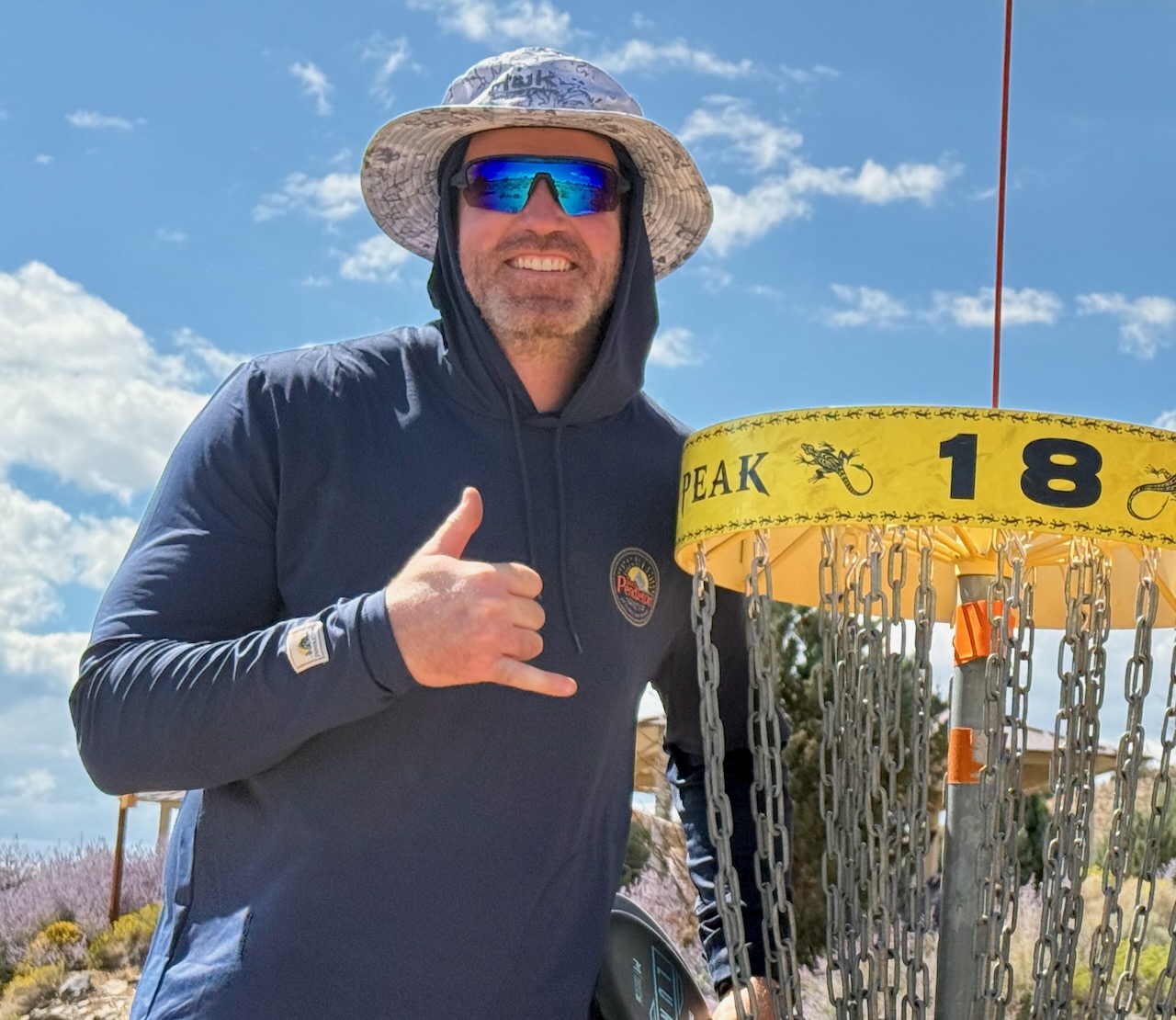
Welcome to Life Between Titles. I'm your host, Savan. This show is about the space between chapters, the time after one title ends and before the next one begins. It's about rediscovery, resilience, and what it means to keep moving when the path is uncertain. In today's episode, I sit down with my cousin, retired First Sergeant Wesley Averkamp a man whose journey stretches from the small town of Iowa to the battlefields of Iraq and Afghanistan, and now into the quiet work of redefining life beyond the military. Wes and I recently spent a few days off the grid, hiking through the desert, throwing discs in the forest. what started as a simple trip became something deeper, a reminder to slow down, to reconnect with what matters and to find peace in simplicity. In our conversation today, Wes shares how growing up in a small town shaped his sense of discipline and humility and how sports and mentorship laid the foundation for leadership and how the events of September 11th changed everything. He reflects on his deployments, the lessons learned in decision-making, resilience, and leading others through uncertainty. We talk about the transition home, what it means to rebuild identity, rediscover purpose, and understand that peace isn't found in achievement or status, but in the basics, sleep, food, family, and joy. Here's my conversation with Wesley Averkamp Let's get it.
Today we have a special guest. He's also a family member, so I feel like I'm biased here with this recording. But today we've got Wesley Averkamp in the building. Wes, what's up, how you doing?
Good, how are you doing, Savan
⁓ Wes, I want to start off today's session with, a crazy story. So you and I just spent like five days together going through the wilderness and the desert to play disc golf, which is pretty amazing to me. How the fuck did we pull that off?
Well, we both had a lot of free time. I think that was the key aspect of it. then ⁓ we did minimal amount of planning and just took off with ⁓ fun in mind. think that was pretty much it.
Okay. I haven't gone out on a guy's trip in forever. I don't even know the last time I went out without the kids and the wife and the family members, right? Like, I think it was probably at least like 10 to 15 years ago.
Yeah, it's definitely been a long time for me too. I think the last time I did it was with Chinsan our other cousin, when we did it kind of cross country on the way to Fort Knox, which I think was seven or eight days, which was pretty great too. So that's the last time that I've done something like that.
Yeah. Yeah. Yep. I've been trying to do some reflections here on the trip. What do you think was one of the lessons you took away from coming back home and back to reality like from that trip?
⁓ honestly, I think it was just, ⁓ you know, relax, ⁓ you know, set aside time to not take yourself so seriously, ⁓ to not have like all these, I don't know. It was nice to be away from the pressure. It was nice to be away from just everything, you know, timeline schedules. The only timeline schedule we had were the ones that we made and we're kind of dictated by, the sun.
Yeah. Yeah, yeah.
like was it And then, you know, was very like basic stuff like do we need sleep? Do we need food? Do we need these things? ⁓ So it was pretty great.
Yeah. it was funny because there's, you know, we packed a bunch of food, but like, I feel like we ate like the same meal like three times. Which would definitely not happen on a regular family trip for sure.
Yeah. Yeah, yeah, it was pretty great.
yeah, no, I enjoyed it too. And I feel like, you know, once we get back into the swing of full-time working, whatever that looks like, like these moments are just so fleeting and rare, you know? ⁓ And it's hard to like give yourself that time to. have that grace to go out and do things that give you joy and happiness versus it feels more like an obligation. You know, it's like, the kids have spring break so we gotta like keep them busy or else they're gonna be on their iPads all day and you know, whatever else that looks like.
Yeah, 100%. You know, when I was still in the army, a lot of times the family would do trips and I say the family because it was like my wife and kids. ⁓ Mostly because I would feel guilty prying myself away from the organization or, you know, just maybe it's not a good time as far as the training schedule. And, you know, I could have pulled it off, but realistically, I knew the whole time I was on vacation, I was going to be thinking of.
Yeah. Yeah.
what's going on at work, what, you know, just not, not in the right space to do that, to like fully get away from it and detach.
Yeah, no, that's actually a great thing I definitely want to circle back to here. But before we dive too deep into it, I want to maybe take 35 years back, go back in time here and talk about what your life was like growing up. you were born or were you just, you grew up in Dubuque, Iowa? Is that right? Were you born there? I should probably know this.
⁓ Yeah, I was actually born in Dubuque, Iowa. I never actually lived in Dubuque, Iowa. So Iowa is just full of a bunch of farm, you know, small farm communities for the most part. So Dubuque, Iowa is Eastern Iowa borders, Wisconsin, Illinois. So it's kind of where those three states meet with the Mississippi River separating Wisconsin, Illinois from Iowa.
Yeah. Yeah.
But I grew up in a bunch of small towns and moved a couple times when I was a kid, but always in that area ⁓ So life for me was Pretty simple. I guess spent most of my time living in the country or the rural areas of Eastern Iowa Did a lot of hunting did a lot of fishing we always had horses growing up so I did a lot of horseback riding Things of that nature so
Yeah. Yeah. Yep. Yeah, you know, the first time I met you, don't think I ever told you this, but the first time I met you, you always seemed like the Clark Kent in the family, right? It was like small town, small bill.
Pretty typical stuff, just...
knew how to do shit like ride horses and kill animals and prepare them and eat them. And I don't think anybody else like it, at least on my side of the family, like knew how to do any of that stuff. So it was like super fascinating to me how you went from like this small town and now you're like part of this mixed race family.
Yeah, definitely you know there's some things along the way that got me on that road. You know I wouldn't change any of it. It's awesome and I'm glad that I'm not you know small town Iowa is great but I'm glad I'm not there right now. ⁓ So I'm glad I am where I am and that's awesome that you thought that I was like a Clark Kent something. ⁓
Yeah. Yep. Definitely didn't say Superman. man. So what types of things in Dubuque, or in a small town, as you were growing up, really shaped...
Yeah, exactly, exactly.
early, you know, Wes Averkamp you know, some of the things that that got you interested, like, were you sort of forced to learn how to do these things like fish and hunt and, you know, just be handy and ride horses? Or was it something that you just sort of like were drawn to?
Well, yeah, definitely a lot of that I was kind of forced into. You know, when I was born, my parents were running trail rides, basically where people would come out and pay money and ride horses. So when I was born, we had like, you know, 65 horses. And I know a lot of people like how a lot of people will hear that and be like, oh, wow, your family must have been well off. No, those horses kept us poor pretty much the entire time because they were just, you know, money sucking pets for the most part.
Yeah. Wow. Yeah. Yep.
So we always grew up with horses. Hunting and fishing, that was pretty much not the only way, but the majority of the way that I got like father-son time with my was ice fishing and hunting and stuff like that. He taught me how to shoot, which was great. Sports was another big aspect of it. My dad didn't really understand sports, play a lot of sports growing up. ⁓ You know, when he grew up,
Mm-hmm.
My dad's left handed, so he grew up in a family with eight brothers and sisters, so there's nine of them total. And he was the only one that was left handed, so he never really had a baseball glove, all that stuff. So he didn't understand sports. a lot of people that I looked up to were baseball coaches and football coaches and stuff like that.
Wow. Yeah. Yeah, did he ⁓ want you guys to play sports even though he didn't play it himself or was that just something that you guys like want to do by yourselves?
⁓ it was pretty much something that we want to do by ourselves. Our dad, you know, my dad supported it. but he didn't like really get behind it. If that, if that makes sense, it was just something that kind of happened. And I think early on, my mom, my mom was the one that took us to most of the sporting events and we're kind of taxing us around. but I don't remember my dad being super active.
Yeah. Yeah, so he was more of a sideline observer when you were doing that.
Yeah, pretty much. It's kind of like, you know, the relationship I have with my son now is I'm kind of a sideline observer when it comes to all the YouTube channels and everything that he watches and ⁓ some of the anime questions that he has for me. I guess I kind of like it, but yeah, but I really don't know what's going on. So I think that's kind of how my dad felt when I was playing football and baseball and doing that stuff.
[10:03]
Right. You need a cheat sheet for it. Yeah. ⁓ What was high school like for you?
High school was so I was not a great student in high school. I had a lot of freedom My parents both worked second shift So they weren't home at nights at all ever pretty much So that left me with my little brother and little sister, you know kind of me running the house for the most part so
wow. Yeah. Mm-hmm.
I took a lot of liberties in high school. I wouldn't come home a lot of nights. I stayed out late. I'm probably doing things I wasn't supposed to be doing in high school. My grades weren't the best. I wasn't really inspired at school. yeah, so that pretty much sums it up. was kind of a troublemaker.
Mm-hmm. Yeah. man, I, you know, it's funny too because the types of personalities of people that go through challenges in high school, I've been talking to quite a few people and there are certain things that you just don't realize in high school that you're struggling with. Like I know, like I've talked to somebody who said, They had a hard time because they didn't know they were they had ADHD and so they're just like I just couldn't like focus I couldn't do the things I needed to do there's other people that like were coping with you know things like depression or anxiety that you just they just didn't know in high school Do you think that for you, you know your struggles in high school were just Maybe some of that or could it have been that you just didn't like the educational system or like the home and
No,
environment.
think there was a lot of struggles looking back on it that there's a lot of things I wish I could have done differently in high school. wish I would have known to do different. ⁓ Like math is one of them in high school. like, I don't care about math. I'm never going to use math. But I would love to be really good at math right now ⁓ because I can think of a lot of things that I could do.
Yeah, yeah, for sure. Yep. Yeah, me too. Right.
You know, I, growing up, I kind of always had this sense of, I didn't know where I belonged. I didn't know what my place was, so I didn't know what was necessarily expected of me, so I didn't really know how to act. And I just kind of did whatever I felt like doing at that moment, distracted by butterflies. You know, so I think that was a lot of it.
Yeah.
Even though I played a lot of sports and stuff, I didn't really identify with a lot of the kids that I played sports with, which is kind of weird. But yeah, it's just a sense of not belonging.
Mm-hmm. Yeah, yeah, I mean, it's hard for teenagers just at that age in general, let alone ones that like are struggling with trying to get good grades and trying to figure out what the hell they want to do next. When did you decide to enlist in the army? Was that right after high school or was that, did you have a break in between there?
No, I had a break in between there. I actually didn't leave ⁓ for basic training until I was 21. So right after high school, yeah, yeah. Right after high school, the only thing I wanted to do was party and play baseball. So I went to a small division three high school to play baseball. And...
okay. So later. Yeah.
The partying got in the way of everything and I only stayed a semester. Then I moved back home and worked in a, a job, full-time job, worked in a factory for a while where I was going to school part-time. And then that job ended up being a lot more than I anticipated. And this is the first time in my life that I kind of dove head first into something. I actually really liked the... work that I was doing. So I worked at a factory that made rubberized track for snowmobiles and like big John Deere tractors like John Deere Agricultural Track. And at the time, at the time that company was the first ones to make the John Deere Agricultural Tracks and it was like a new thing in the tractor world was putting track, huge tracks on tractors. So I was a part of like
What were you doing? Mm-hmm.
That was the second machine that the machine that I worked on was a second machine ever made to do that So it's pretty interesting. I was working with like French Canadian engineers and ⁓ Doing all kinds of stuff because I was one of the guys who was working on the machine all the time.
Mm-hmm.
I ended up working. Like I said, I was going to school, trying to go to school and work at the same time. But my shift went from 40 hours a week to I would work 13, 12 hour days in a row. that's so I got every other Sunday off, which I spent watching football and just drink, you know, not doing anything productive.
Wow. Yeah. Yep. Drinking. Hanging out. Yep.
Drinking hanging out with buddies and stuff like that So I don't know how long I would did that I did that for a long time. I did that until September 11th until the towers went down and then I just felt like a sense of You know, I figured at the time I was able-bodied and I needed to go help
Yeah. Yeah. I want to put a pin on September 11th, because I do think like it's a fascinating part of your life. before we dive into that, baseball as a kid for you, like what about it really drove...
you I made this decision.
you your decisions, because it seemed like you played it in high school and then you wanted to play it like after high school. What parts of that sport like really interests you and motivated you? Did you think you can go to the pros? Was that sort of like part of your aspirations?
I mean, that was always the idea. However, I never set myself up to actually get there. I was really talented, but underestimated how talented everybody else was and how hard they were working. So I didn't work super hard ⁓ in the off season. I didn't know how to work super hard in the off season either. I didn't have a mentor or YouTube videos to watch and figure out how to get better at this thing that I was doing.
Hmm. Right.
Part of it, you know, I just love playing baseball and then, you know, I pitched. So I think a part of that was like, you know, hey, people are paying attention to me. I'm good at this. Other kids' dads are like saying that I'm really good. It's like, I'm getting recognition and it's just fun. like playing baseball. So, but I just never, I don't think I put in the proper work or to get to it in that. the next higher level. wasn't disciplined. wasn't disciplined. I wouldn't say I was disciplined. I was not disciplined at all in high school. I wasn't in college. I didn't get any kind of discipline until I started working and had to like, the real world was like coming down, know, crashing down on me. So I had to make some decisions. And part of that was I needed to gain some discipline.
Yeah, I I think it's like really interesting because there are things that we are very passionate about in life that if we had a choice and if we get paid for it, we would do it forever, right? ⁓ And I think there are other things that...
Yeah.
we're passionate about in life that we like to do, but we just don't put in the effort to get to the next stage of whatever that thing is. Sports is like a great analogy for that because we, you know, if I could, I'd play tennis until I retired as a professional. like, clearly don't, one, I don't have the skill, but two, I just didn't have the mentorship or the coaches like available. And I do wonder if that was more readily available if I would have done better like in that realm. For you, you, like looking back, if you had like the coaches and stuff like that, do you think you would have pursued it longer than September 11th?
⁓ Yeah, absolutely. If I would have the coaches, you know, or the mentorship, I had coaches. like I was my coach, I totally understand why my coaches didn't want to invest like a lot of time in me because, you know, I was a wild child and they could see
You're like Charlie Sheen in a major league.
Yeah, yeah, kind of. mean, it's like, which version of Wesley Averkamp is showing up today? Is he like prepped and ready to go? Probably not. ⁓ You know, yeah, I think, you know, if I just would have been more disciplined at a younger age, if I would have the discipline I had when I was 21 at, you know, 12 or 13, started getting it in high school, it would have been different. Not saying I would have been.
Yeah.
you know, the MLB or anything, but probably would have taken me farther than one semester of junior college.
Yeah, I mean, a little bit of reflection now, you've got Daniel, who's your only son. And clearly he's got some athletic genes in him. You know, taking some of those lessons about discipline, like from when you were growing up, like what what types of things would you or are you trying to impart on on Daniel like as he's like going through his own journey of? You trying to figure out what the heck he wants to do.
Um, yeah, that's a great question. So I think first, uh, you know, uh, my wife, Sophie helps with that a lot. Um, she is very supportive of all the kids' activities. Um, and kind of nudges me sometimes. Um, you know, and I've always been waiting for Daniel and Aria, my daughter, uh, to find something that they're passionate about and kind of, uh, you know, just feed that. Um,
Yeah. Yeah.
[20:13]
And I tried so hard to get it to be baseball with Daniel. Even had college players say at our house for a summer trying to get him super pumped about baseball. It works for a little bit, but wore off. I coached his teams. I coached multiple teams actually while we're in Colorado Springs. But right now it's just feed it. Just find what it is and then just feed it and support him. and take up an interest in it right now. Hopefully I found it. Both of them have been doing jiu-jitsu for about six weeks now and ⁓ they both love it. They're in the same class. They're having a great time. Daniel is telling me about cross-collar chokes and all these other things and just got their first stripe on their white belt which means they can now do submissions and stuff so they're super excited about that. Yeah.
Yeah, that's awesome. wow. let's, let's go back to, let's go back to September 11th. And when you decide to enlist, like tell me about that day. or maybe it was a series of days. Like, what did that look like?
⁓ so I had just gotten off of work at the time and, my, I don't know if you remember, but there was a small like Cessna. can't remember if it was one of the Kennedys or who it was, like hit a building with a Cessna in New York. don't even know. It might've been the, I don't know what or had a close call. ⁓ but, that had happened relatively, soon before.
Mm-hmm.
the actual attacks on 9-11. So my girlfriend called me the morning that 9-11 happened and she was like, oh, a plane just crashed into one of the towers. And then she like giggled a little bit. I was like, oh, okay. So I thought it was like another Cessna or something. I turned on the TV just in time to see the second plane come in and hit the tower. And as soon as that happened, you know, you saw it live. That's something that if you've seen it, you know, which you have, know, everybody remembers where they were when 9-11 happened. It was just surreal. And I didn't know what to make of it. And I had never, ever thought about serving in the Army ever before. I had actually talked to an Army Reserve recruiter in high school and I thought he was like a doofus for trying to get me there.
Yep. Yep. Yep.
join the army. was like, dude, I'm the last person that's going to join the army. so there's a lot of things that added to that. wasn't just September 11th. was, you know, my girlfriend at the time, her brother had just joined the army. And there was just a lot of patriotic things going on at that time. So that's the decision that I made.
Yeah, yeah. What was that first year like after you enlisted?
The first year was pretty, you know, this kind of goes back to like, I grew up in Iowa. The work ethic in Iowa, Midwestern work ethic is pretty strong. So, you know, I say I was not disciplined or I did not have a hard work ethic, that was comparing myself to the people around me.
Right, yeah, absolutely. All right.
When I got to, ⁓ when I first went to basic training, I realized pretty quick that I actually did have a strong work ethic as compared to a lot of people around me. You know, not all of them, but a lot of them. I realized that I wasn't as low on the rung of work ethic as I thought I was. But it was just crazy. That was really the first time that I left the Midwest, went to Fort Benning, Georgia.
You
Completed you know my basic training and AIT which is advanced individual training which is actually called OSUT One-station unit training Which at the time I think was 14 weeks and some change So I went went to my first unit for rally Kansas and I expected that when I got there I was just gonna get there say hi to Fort Riley and then get on a plane and go to Afghanistan
Yeah, wherever they sent you, right?
Yeah, yeah. That didn't happen right away. I think I got there in November of 2002 and then deployed. September of 2003 so I was there for almost a year before we even deployed But and I didn't join until I was 21 so I was a little more mature than The average age of the people going through which were probably 18 or 19 years old So was little more mature But it wasn't you know, it was something that I thought Was gonna be super hard to do and it wasn't it wasn't as hard as I thought it was gonna be it was hard But it wasn't as hard as I thought. And the first year was just kind of, you know, I was a private in the Army. I was getting talked down to a lot and told what to do and it was, you know, pretty much shut up in color the whole time.
Great. Yeah, do want to remind me if we gloss by it later on, but I do want to circle back to the idea of shut up and color. that approach, not just in the army, but the entire military, right? Like the rigidity of standards so that you can actually repeat the process and train people, I think is a fascinating one, especially as you're getting out of the army and then going into the civilian life and what that looks like. But I do want to like circle back on that. But before we do that, tell me about what it was like. You mentioned that you'd never left where you grew up and like going to Georgia was the first place ever. Is that right?
that was the first time I was ever on a plane. Growing up, yeah, so. 21, yeah, first time ever on a plane. I think the furthest I had been away from home was Indiana at the time, which wasn't super far.
Wow. How old were you? 21? 20? Wow. Okay. Yeah. Was that intentional that you sort of stayed in a very small radius of where you grew up or was that more just a factor of other things?
Um, yeah, I think that was just a factor of other things. You know, my family, didn't, we didn't really go on vacations. We didn't really travel. Um, mostly it was like, it seemed like the whole time growing up, was mostly, you know, month to month making ends meet for my parents. And, uh, so there wasn't a lot of extracurricular activities, you know, uh, uh, I think I was 28 or 29 when my wife
Yeah.
threw me a birthday party. told her that was the first time I ever had a birthday party and she looked at me like I was crazy. Yeah, yeah, I just kind of stayed in the local area and you know, that's why I got in a lot of trouble to be honest with you. I was just spinning my wheels in a place that was pretty boring for the most part. Living in the country is great.
Mm-hmm.
But when you're a young kid, you don't want to live in the country. You want to be out doing things with your friends, going into town. was just, you know, idle hands.
Were you nervous at all or were you excited or maybe a combination of different feelings of like, you know, when you enlisted in the army, you're naturally going to be forced to see the rest of the world. Was that something that like you were looking forward to doing or were you scared of it or what did that look like?
Yeah, that was something I was looking forward to doing that, you know, I wanted to get out and see the world I wanted to leave the United States and see other parts of the United States. I didn't realize you know all the places I was gonna go You know the beautiful places like Iraq and Afghanistan, which I that's somewhat of a joke, but Afghanistan is very beautiful ⁓
Yeah. one of the most beautiful places I've ever seen. Yeah, for sure.
Yeah, yeah, yeah, for sure. But yeah, yeah, definitely wanted to travel and at the time I didn't know I was going to stay in till retirement. You know, my idea was, hey, let's go handle some business overseas for four years and then I'm going to get out and go back to school. That was my idea. was like, you know, I'll have the discipline, I'll have the money, you know, through the Montgomery GI Bill. I'll be more set up for success. Cause one of the things that I always felt like I was failing that one of the reasons I was failing is that I was always worried about finances and where the money was coming from. And I think that was just something that was passed down to me from my parents. Cause it was something that they were always worried about.
Mm-hmm. Mm-hmm. Yeah. Were you worried about that when you were in the army? Like that first year or two still?
You know the first year I think my first paycheck that I got in the army was $434 um, uh, for two weeks of work. Uh, and the reason I remember that is because, uh, I think I paid more in taxes, uh, out of my paycheck, um, before I joined. And I didn't, I didn't necessarily, I definitely didn't join the army for the money, but, um,
Wow. Mm-hmm.
Granted, I didn't have any expenses. The only thing I had like car insurance and a car payment. That was all I had. And it was well within the range of me being financially comfortable, which sounds crazy that I was making less than $1,000 a month.
Right.
Good to go. Yeah, good to go.
The world's changed. Yeah. Yeah. Yeah, you know, it's, it's, it's funny, the, the amount of different types of financial scenarios with people that are in active duty vary so greatly that sometimes I wonder like how people that have been in the military for you know, 10, 15, 20 years can plan and budget for certain things, because it definitely doesn't pay well. relative to other things that you could do and it does force you to have to constantly like replan your life every time you you move to a different place or PCS to a different place and You know, there's a certain amount of burden that that that puts on you I mean as a single person I'm sure it was like easier but you know as you had girlfriends and partners and a wife like that responsibility that burden probably gets a lot heavier and harder with the same paycheck and the same sort of like things that are coming out of the military.
[30:48]
I didn't really feel it too much when I was junior enlisted. I didn't really feel a lot of financial stress my whole, pretty much my whole time in the Army. Because there's a lot of things you don't pay for. There's a lot of benefits. And the pay is okay as long as you're grounded. As I became more senior in the Army, I saw,
Mm-hmm. Right. Right.
seem like the younger generation coming in when they're junior enlisted they want like all the things that you know they probably don't need at the time you know they want you know this fancy car they want this fancy house they want these fancy things but they don't ever stop and look at how much they're getting paid and is that realistic so I think just staying in your means definitely Half the time I was in the Army I was counseling soldiers on finances and you know, how do we be an adult here? Because it is you know, I was lucky that I came in when I was 21 because I kind of understood that I already been paying rent paying car insurance paying all these bills But I can't imagine you know right after high school it's like okay, you're on your own now This is your barracks room. This is where you live. You have freedom to do whatever I don't think there's a good percentage of them that don't stop and look at how much they get paid and what are their expenses.
Yeah. Did the did the army ever teach you guys the basics of financial literacy and just basic like here's here's how you actually like walk through life and make sure that you're not getting fucked over because you didn't plan for certain things or was that just something that you had to learn on your own or through mentors or what did that look like?
I yeah, that's a good question. I think most of that is through mentors. You do get like blocks of instruction on finance, but that your chain of command will mandate and bring to the company level or bring to the platoon level. It's, how much are you paying attention to that though? Is the key because there is no, there's not a test at the end of that course, that block of instruction. So.
Mm-hmm. Right. Right.
⁓ Your attention is optional if there's no if it's not going to be tested pretty much But there's all kinds of resources That you can use but those would be something that you would have to seek out Or something that your leadership would have to bring to you or mandate to you Because I've definitely mandated it before But that's usually after problem.
Yeah, you know, we both serve the Department of Defense, or I guess it's Department of War now, in some way over the last 10 years. And the one thing that many people don't realize is you have to be of a certain... standard to have a good footing. And what I mean by that is like, you know, you can't get arrested for you know, beating somebody or you can't have armed robbery, you have to be in somewhat decent financial standing because you've got clearances to uphold, you've got these things you need to do so that, you know, you can't be compromised by, you know, foreign nationals or spies. And there's just like a series of things that are like obligations that you have to have. And it's crazy to me to think that the, you know, the army, especially for people that are recently enlisted, don't have classes like that, that are mandates. They don't have a certain amount of standards that people have to understand, especially young people, to be able to get to that next phase of whatever they wanna do. You wanna be a Colonel, okay, here's the basic things, including PT. Here's the life shit that you have to learn and you have to be good at in order for you to get to that next level.
Yeah, I mean, those things are out there. What you're talking about, the, you know, your timelines, the career development timelines, it's all in Army regulation, it's in manuals. It's just, there's a lot of Army regulation, there's a lot of Army manuals. What I would say is, you know, the operation tempo for most units I've been in is pretty high. So most of those things that I've seen
Yeah. Yeah.
don't really come to light and tell that there is a problem. ⁓ Just because operational tempo is so high and there's so many things to do, think the less things that you can get off somebody's plate and get them to focus on training in the mission, the better it is. Because if finances are falling apart for a soldier, that soldier is not mentally...
Yep.
in a place where they're going to be super effective to the team or super helpful to the team because they're going to be thinking about that. So it just kind of falls under like the total soldier concept. I don't know if they call it that anymore, but you know.
Yeah, what is that for people that don't know what that is, Wes?
I mean, like I think the new the new aspect of it is H2F where it's, you know, talking about diet, you know, dietary supplement, you know, getting enough sleep, getting enough rest. You know, sleep is something that the Army. Acknowledged as important recently, I know. So so I think it's great. I think it's great, but it's.
Mm-hmm. You
There's so many things to do and so little time to do it with all the other stuff that needs to happen. We have to have maintain a force that's ready to deploy and defeat the enemies in the United States. there's a lot of things that go into that. And there's a lot of different moving parts and there's a lot of people in there at different education levels and different intelligence levels and different work ethics. And nobody wears a sign on their forehead. says all their attributes, plus three stamina or whatever, all this stuff on there. So as part of leadership is figuring out what everybody's attributes are and how they can help the team. So it's a hard job. And I would say anybody thinks that they've mastered it, they probably haven't. I mean, there's definitely great leaders in the Army. level would be so hard to reach.
Yeah, it's interesting to me how much time we spend trying to master a craft or crafts. Like I think the analogy, at least on my end, would be, you know, you... want to be a good graphic designer or a good product manager. So you work in Figma for hours every day to be really good at that. But like the ability for you to take that mastery and then help somebody else out with it or help people out that have that same passion for it, there's a different set of skills, right? Like it's not transferable. It's not like a one-to-one thing. In the army for you, like how, Did you see a lot of people that maybe were really good at being a specialist at certain things that wasn't a good leader or didn't have sort of that disposition to lead and empower people?
⁓ Yeah, absolutely. ran across multiple individuals who were just like, you know, high performers. High performers like if, almost like Olympic level performers. I have seen people that are probably Olympic level performers in certain aspects, but just fall short in other aspects. It's pretty...
Yeah. Mm-hmm.
It's pretty rare that you get somebody who has all the things. ⁓ know, great leadership, knows how to do everything, is a subject matter expert on so many things. So, some people can do and some people can teach. Some people can do both. Some people are just really great and don't really know why they're.
Right. Right.
You know, so for those people that can do something really well and don't really know why they're not going to be able to teach our mentor others on how to do it really well.
switching gears a little bit here Wes how many tours did you do while you were in the Army?
⁓ So I did two tours in Iraq for Operation Iraqi Freedom and then I did one tour in Afghanistan. So three.
Yeah. ⁓ What was when you first were deployed to Iraq that very first tour? What was that like?
⁓ you know, it was, ⁓ What was that like? It was weird, know, in my mind I had no idea what to expect. it was, I accepted the fact that pretty much everything about that deployment was gonna be exploratory and everything happened for the first time, because that's what it was. And at the same time, you know, I was pretty junior in the army. So the...
Mm-hmm.
It's not like I was making a bunch of decisions. It was more of, go over here, go over there, do this, do that. I had a team leader, I had a squad leader, a platoon sergeant. I wasn't in charge of anything. The only thing I was in charge of was my weapon for the most part, right? So it was pretty eye opening. Right when you got off the plane, I got off the plane in Qatar, if you've ever been to Qatar. I'm sure or any of those places you probably remember the first time it felt like I would got off the plane and there was like a hundred people pointing hairdryers at my face it was just like so so hot and windy and dry and Just so crazy I thought it was gonna be Less less supported than
[40:34]
Yeah. Yep.
Was if that makes sense, I thought I was gonna be you know, I'd watch Vietnam videos and like what were two videos, you know movies and all this stuff I thought I was gonna be like in a bunker or in a building like pretty much the whole time and like in conflict Majority of the time and that really that really wasn't the case, you know I didn't realize what a fob was or a cop or any of those places where you sleep so
Right. Right.
⁓ it was different than I expected, but, It was eye-opening. was... I don't know. It's hard to explain.
What were you think some skill sets you learned in that first deployment that you didn't have before you went to Iraq?
⁓ some skillsets I learned. I think it was identifying things that were out of place was a big part of it. ⁓ My first deployment, know, IEDs, improvised explosive devices, I didn't really fully grasp how much those were gonna be a part of like daily life before we deployed and how much time we were gonna spend ⁓ fighting the IED.
Mm-hmm.
fight.
For those that don't know how they work, just give us a general idea of what they look like.
So improvised explosive devices just, you you're to have an explosive. lot of times they'll use like old artillery rounds or pretty much anything that they can make go boom. And they'll put them alongside the road or in a place where they think you're going to park a vehicle and then they'll be remotely detonated either, you know, by wire or by a radio signal or victim detonated, you know.
Mm-hmm.
it has a pressure plate or something like that but it's a it's a pretty it's a pretty safe way for them to disrupt anything that we're trying to do because it doesn't take a lot of manpower on on the enemy's part so especially if it's like victim-detonated all you got to do is get it in the ground or get it hanging somewhere and yeah So.
So you learned that was a, what'd you say, a major sort of like force that you guys had to be aware of consistently while you were there?
⁓ yeah, I mean, by the time, so my first deployment by the time, cause we kind of phase in, not everybody in my unit got there the exact same day. Right. So my company, my company commander, got there. One of the first ones there, it was like the first one there, where he's basically, you know, getting a lay of the land and, ⁓ meeting with other commanders and kind of figuring out where he wants to position forces and stuff of that nature. Before I even hit the ground, he had already been hit by an IED and was taken out of theater. So, we lost quite a few people to IEDs. So was something that we definitely paid attention to and definitely tried to mitigate and stop, because that was one of the biggest hazards at the
Mm-hmm. Wow. Wow. Yeah. Your first tour, you know, you probably have a ⁓ cadence to what life looked like, right? Like there's probably some like structure to, you know, the expectations that the Army has a view for that first tour. But from a personal perspective, What was like success to you? What did that look like during your first deployment? Like did you have any idea of, you know, what you wanted to do like when you left that first time around and what did that look like?
Well success to me at the time was just coming back every day. So when we were brought on missions it was, obviously whatever the mission is that day we want to complete that mission and have success in the mission and then also bring everybody back and not get anybody injured.
Mm-hmm. Yeah. Yeah.
of that nature. After that deployment, so that deployment I was pretty transient through that deployment. We did six months in Fallujah and then we did six months in Al-Ramadi and then my platoon kind of traveled all over the place. I was in Ivy Grape for like two weeks. So after that deployment I don't know that I had really any goals for after the deployment. I just want to get through it. would say my timeline on how far I think actually shrunk. ⁓ And I would think in terms of hours and days instead of days, weeks, and months. So if it was December and you asked me what I was doing in January, I would be like, I don't know. Hopefully I'm still with these guys.
Hmm. Mm-hmm. Right. Right? Right?
That was about it. My window shrunk.
Um, you, you mentioned that, you know, there were, there were a lot of people impacted by like IEDs. I'm sure there's also a lot of people that, um, have been, uh, impacted by a wide variety of things that cause harm, whether it's physical harm or mental harm or spiritual or whatever. You know, however you want to categorize it from your perspective, like, how did you manage to stay grounded or as grounded as possible, like during this time for your first deployment? Like were there tips or things that your mentor or that your commander told you like, Hey, here's how you sort of get through these situations. Did you go to the chaplain? You know, how did you sort of like traverse that period of your life?
I think we're all doing it on the fly. We're all doing it for the first time together on my first deployment. Everybody in the company, it was the first time that everybody had been deployed. There was one NCO in my platoon that had been in Desert Storm. So ⁓ a while ago, and he was like very young in Desert Storm and he said he didn't see any action. It was very different.
Wow. Wow.
So everybody was kind of going through it for the first time and just doing our best to kind of figure it out. When we got back from that deployment, you know, we go through the reintegration classes and stuff like that. But most of those reintegration classes and stuff, they were also learning how to deal with us or not deal with us, but how to welcome us home. But what I will say is like, I couldn't imagine being in different war like Vietnam and coming home and being not welcome. So it was really great that we came home and we were welcomed by the community, by the country, by everybody. But at the time there just there wasn't a lot of education as far as what to look for as far as like PT and then I find TBI like traumatic brain injury. PTSD, things of that nature. It was just kind of like the buddy system. Hey, this guy doesn't look right. This guy's not acting right. Something's different. Something's changed. But I think throughout the rest of Iraq and Afghanistan, the Army and Department of Defense got a lot better at that reintegration process.
What was the difference between your first deployment and forwarding to your last deployment? it, it was Afghanistan, right? That was your last deployment. What do you think were the main differences in sort of how you approached your work? Aside from your rank, right? I'm sure the ranks changed over this period of time, but what were some other sort of big differences that you saw between your first and your third deployment?
Obviously, the ROE, the rules of engagement, changed a lot. But a lot of had to do with how long I had been in the Army. My first deployment was in 2003. My second deployment was in 2011. So I had grown a lot as a soldier and as an individual. And my role within the platoon or within the company had changed a lot. My first deployment, the guys that we lost in that deployment,
Mm-hmm.
were all like older brothers to me and like almost like father figures. And in my last appointment, you know, my role is different. I was like now like the older brother and like the father figure to the majority of the people in the platoon. So that changed a lot. But I would say, you know, technology changed a lot over the
Mm-hmm.
over the time and then a lot of techniques changed a lot. Very early in the IEDs we didn't know what we were doing. We were welding pieces of metal to Bradleys and like doing all this stuff to try to help and just kind of like jimmy-rigging a lot of stuff. But by the time my last deployment, we had stuff that had been proven in ballistic labs and stuff to help mitigate the IED risk and mitigate a lot of risk. Body armor had come a long way, protective equipment like PPE, the personal protective equipment that we wear had come a long way. And the techniques and procedures were refined for the most part. So that was the biggest change. probably the technology and the PPE and tech tactics and techniques.
⁓ The military in general, I believe, does a good job of grooming leaders. I think just the way that they approach the discipline of what that looks like, in my opinion, is absolutely fantastic. From your perspective, what do you think makes or is the difference between a good and a great leader from your deployments?
[50:19]
I think the difference between a good and a great leader is probably inspiration. There's a lot of it, inspiring people, your subordinate leaders. Because I don't think any leader is perfect, but I think the great leaders, what they do really well is they inspire and motivate their subordinate leaders. And then those subordinate leaders...
Yeah.
You know, everybody has different leadership styles or effects, know, subordinate leaders in different ways. So I think like, if you can motivate your subordinate leaders, it's pretty much job done because those subordinate leaders are going to motivate other subordinate leaders in their own ways. But I think it's just crucial to motivate almost all of your subordinate leaders. because that would just trickle down. I've been in organizations where you feel, because depending on what level you're at, your highest boss changes, right? Like if you're working at a brigade level, your highest boss is not the brigade commander. If you're working at the platoon level, your highest boss, as far as you know, is the brigade commander, because you probably don't really know who's beyond. Obviously it goes all the way up to the president and the commander in chief. But I would say the most influential leaders I've seen have been brigade commanders and those that have the buy-in of all the battalion commanders and have the buy-in from all of the company commanders, they're successful. Those are the best people I've ever worked for.
Mm-hmm. What do you think are some things that they've done to get that buy-in from the company commanders? Like are there things that you've seen that work well for them or that maybe don't work well and you're like, I need to stay as far away from that as possible.
I think the leadership styles that identify what the best, that work the best for me are leaders that automatically know that they're human. Some leaders will almost try to dehumanize themselves or like mystify themselves and be like this. I don't know what they're to be, but the leaders who admit that they have faults and where they need help, I think are great leaders. Because if you look at one of your leaders and they say to you, hey, I need help on this, I think you're very inclined to help them. ⁓ If you have a leader that says, this is what I need you to do, this is how you're failing me, this is how you're failing the team.
They're great.
I think I'm not real open to that, if that makes sense. I don't think a lot of people are real open to that. I think everybody kind of wants to help and do their part and feel recognized. And I think the way you do that is let them help. So.
Mm-hmm. you served in a lot of different combat zones and you've led teams of various sizes or you've been involved with teams of various sizes. What are some things or experiences that you've learned in these extreme sort of environments that's taught you about resilience coming back into the civilian world now?
I think one of the very first lessons that I ever learned, know, leading at a small team level that I think is pretty important is, you know, not making a decision is making a decision, right? So sometimes our inability to act or our indecision is the decision, becomes the decision because it's dictated that you have to act at a certain time frame.
Yeah.
And sometimes even if you don't make the best choice, it's better than not making a choice. So I think that's one of the things that I learned is, know, lot of times, you know, patience is important, but there's a time for patience, and it's not all the time. And you just have to identify, you know, when you need to act now on a good course of action, as opposed to acting. two days, two hours from now on the best course of action or a better course of action. So I think that's one of the main things that I learned is just do something to move the organization yourself and those around you in a positive direction. There will be time to refine. just start just start moving
Yeah, my therapist in one of my sessions, we were talking about like part of my transition as well. And she told me that there isn't a right or wrong answer. There's just an answer, right? Like just do it and then you could figure out sort of like what that looks like later. And that's stuck with me for a long time as well. switching gears a little bit here, Wes, tell me when you decided to retire, because not everybody who enlists in the army will eventually be a general, right? At some point, you're either going to, retire or you're going to try to... get that next level of promotions, which is very hard to do, especially if you've got a family and you've got a lot of things that you're trying to juggle as well. Like for you, when was that point you were like, okay, hanging up the shoes, good to go.
Yeah, that's a question. I think it mostly had to do with my family. I feel like I started a family later in my life than a lot of my peers did. I was over 30 when we had Aria. I was 33. that's 33. That's pretty late as compared to some of my peers.
Yeah. Yeah.
You know, my kids, at the time I decided to retire, my son was seven, my daughter was 10. And I just want to be a bigger part of their life. And the time came, I was at Fort Carson, Colorado, and I wouldn't say I was having a bad time, but I didn't feel like I was on the best team that I'd ever been on. And that made my decision a little easier. I found myself losing a little bit of motivation at work in some aspects.
Mm-hmm. Right.
As far as like the, you know, working at the company level within the company that I was overall responsible for, I loved it. Beyond the company level, didn't really, I was starting to lose some of the drive. So I just decided I want to be a part of my kid's life and start doing more stuff with my kids and being a more active father. You know, I'd seen a lot of...
Mm-hmm.
I started seeing a lot of lieutenants who had ⁓ parents, fathers that were generals that were known across the army or these really like these people that everybody kind of knew because of their track record, right? They were this, they were that, they were awesome. They were all this and I saw some of their kids and all the...
Right.
not all of them, a lot of the company-grade leaders and stuff are like, how come their kids not anything like them? I'm like, we've been at war for the last 20 years. haven't. ⁓ their dad's been gone. There's a reason why everybody in the Army knows their dad.
Right. Right. Yep.
That's gotta be hard for the kids as well for those young lieutenants is like my dad is this person in the organization that I just joined You know any any flaw that I make is going to be highlighted So it's super hard when in reality their parents their dad or their where they're probably some of the same mistakes when they were Brand-new in the army, but that's not what we saw But that was part of the decision is I just want to be a part of and I had done 22 I could have made it to the next level, but that's a time commitment. And at that level, it's like a four or five year time commitment.
For the kids that have parents that are generals or commanders, a lot of times their entire identity and their family's identity will be tied back into the army. Did you feel like you had maybe multiple identities? Like you've got the dad one, you've got the army one, you've got a disc golf one or something like that. What did that look like?
Yeah, I don't think I don't I think I almost did have Maybe not separate identities, but I didn't know Bring my family like around the army a lot which I know is kind of weird to say but You know, I didn't bring my son into work with me I didn't have them come to all the ceremonies and stuff that they could have came to or maybe were expected to come to. I didn't do all that, so I don't think my kids ever, know, my kids, obviously my children know that I was in the army. ⁓ But, you know, it was just simple stuff. Like, I didn't even wear a uniform at all. I would change at work. I wouldn't drive to work in a uniform and then drive home in a uniform. So.
Right.
The number of times that they actually saw me in a uniform weren't very high. And I didn't do that on purpose or anything. I just found it easier to change at work and have all most of my stuff at work. So I wouldn't say that my service in the Army was like a big part of their life. To them, it was just, we're here because of dad's job. We just changed schools because of dad's job.
[1:00:08]
Yeah.
And the last duty assignment I was at was Fort Carson. That was the first time that my kids were ever in a school system where most of the other kids, their parents were in the Space Force, Air Force.
Right.
So that was their first real introduction or involvement in military community. ⁓
Great. Do you think the Army set you up well for retirement?
yeah, 100%. Yeah, I think the Army set me up well for retirement. You know, I am in between jobs right now. And, you know, I technically, you know, with my retirement from the Army, I could be in between jobs for the rest of my life if I wanted to, if I wanted to. So kind of navigating like how much I want to do is been interesting and it's been ever changing. You know, I'm not used to the idea of being able to not accept a job. Spent the last 22 years moving around and up through the ranks of the Army that I didn't really have an opportunity to say, you know what, no, I'm not gonna do that job. So it's kind of weird to be selective and kind of figure out what you actually want or what you expect from your next job. because the job has always, for the last 22 years, the job has pretty much been the focus.
I want to touch on what we were talking about a little bit earlier around expectations and structure of your day and what that looks like. The Army does a really good job of making sure that you know. you know, what to expect out of your roles and responsibilities, in my opinion, right? There's a series of things and check boxes and lists and all that good stuff. When you decided to retire and... the world is now your oyster. Like there's nobody telling you like when to wake up or what to do. What were some of the things that gave you the most anxiety like during those times or during that period of time like after your initial retirement?
so probably like the sense of like I have a bunch of time left because you know, I retired old from the army, which is 43 I retired when I was 43, which is not You know old I still have plenty of time left where I could go find, you know a job or go find another career of like The sense of like knowing what direction I should go like I feel sometimes I would feel like I should know by now What exactly I want to do? but but I don't think that's the case because you know, I Feel like I am interested in a lot of things and that almost is Stopping me from committing to a thing or like committing to something is I'm interested in a lot of things. What do I want to dive into?
Right.
Now that I have the freedom to kind of choose like what I want to dive into. And so that's that's one of the things that kind of gives me a little anxiety about finding a new career. ⁓ But besides that, I honestly I don't really feel a lot of anxiety about like my future job title or what that's going to be because at the end of the day, you know, I made the decision to
Yep.
leave the Army, retire the Army because of my family. And at the end of the day, my family's here. I'm spending a lot of time with my kids. I'm spending a lot of time with my wife. I take my son to school every morning, pick him up almost every day. I'm really enjoying that time.
Mm-hmm.
So when I look at the next job, it's, you know, I'm kind of balancing my interest level or my passion for the job with family time. If that makes sense, because I want to be, you know, when my son goes to jujitsu, I want to take him to jujitsu. When he goes, you know, my daughter's going to start wrestling. When she starts wrestling, I want to be there first wrestling me. I don't want have all these commitments that take me away.
Are you, what, types of jobs or positions right now or opportunities peak your interests? Are there certain roles or responsibilities that you are specifically looking for?
Yeah, so I am looking at, right now I'm looking at three different things. One of them being railroad, being a part of a train crew on a railroad. Most of the jobs that I'm attracted to have some form of physical activity or physical labor that I wanted to. I did 22 years in the infantry, which you know... didn't spend a lot of time behind the desk. I'm not used to spending a lot of time behind the desk. I am used to lot of meetings. I am used to a certain amount of desk time, but I'm used to having the ability to go out there and get physical. Doing PT every morning ⁓ was an example. then going to the ranges and doing training events.
Right.
I kind of like that physical aspect of it. So I find myself attracted to jobs where I have to physically engage. I've been looking at different trades in the construction business, ⁓ looking at electrical work, carpentry work, stuff like that. But also I'm looking at another position when it becomes available.
Mm-hmm.
I would love to take part in it would be being involved in ROTC program at the university level. I worked in that in the past, I three years in ROTC and I found it was one of the most rewarding aspects of being in the Army is working with college students who have committed to be officers in the United States Army. ⁓ They're just so.
Mm-hmm. Right.
so open to leadership advice. They're so open. They're like sponges. And they just want all this information. And it's really great to be around them. They're so motivated. And those are always great people to be around, just so motivated to gain knowledge.
what do you think are some characteristics of being a, in a program like that or associated with a program like that give you that sense of passion and desire to be in that role. is it just working with the youth or is it maybe trying to build sort of the next wave of great generals in the army like what gets you inspired there?
⁓ think it honestly, what keeps me inspired is the passion that they have and just like the, the like, almost like you can see like a sparkle in their eye, like the wonderment of what, what they're getting themselves into. Like there, you can see the adventure, adventurous nature in their eyes and like, they're just yearning to, take advantage of every opportunity that's, that's out there. and then it's like, I really enjoy leadership. really enjoy mentorship. And if I can help someone who's younger than me see things a different way or give them some leadership advice, I think that's awesome. Because just being a mentor is great. Being able to help them in what they want to achieve, achieve their goals. It's very, I didn't realize how rewarding it was gonna be. And I told myself numerous times, try to be the mentor that you wish you had when you're in high school. And they're much more, in my eyes, they're much more deserving of a mentor than I was in high school. But they just deserve the past.
Mm-hmm.
It brings out the best in me. It brings out the best in me too. You know, knowing that what they deserve is what I need to give them. So.
A few rapid fire questions, Wes. First one is, is there anything in your professional career that you've regretted?
Okay, shoot. Um, anything in my professional career that I regret it? Uh, no. Uh, I would say no. Um. No, I don't think so. I'm sure I'll think of one later when I'm trying to go to sleep tonight. ⁓ The question will be burning and I'll be like, man, I wish I could have went back. Right up? Yeah, yeah.
Okay, okay, okay, all right, that's fine. Yeah Yeah, yeah. We'll put it in the comments at the bottom. ⁓ Do you think things happen for a reason?
Oh yeah, I'm a big believer in things happen for a reason. I think if you keep a positive mindset, most of the things that happen for a reason are going to be positive. You know, if you approach daily life or just bad situations in a positive manner, end result is going to be positive. My wife really helps me see that way too. You know, we'll hit multiple moves across. You know, across the country, we've done multiple moves across the Pacific Ocean, being stationed in Hawaii twice. So we've had things that have gone bad during those moves or during those times of transitions. And one of the things we always say is, you know, everything's going to work out and just keeping that positive mentality. Like everything has worked out. You know, I wouldn't change anything, you know, for the world. So.
Yeah.
Just a positive mindset, I think, keep moving forward is vital.
Looking forward to the next five years of your life or even 10 years of your life, what would be the perfect job for you if you could have any job in the world?
The perfect job for me would be close to my house, or remote. That would be the perfect job. Something that doesn't interfere with my family time and something that's rewarding. Helping others, mentoring others, being a part of a team. think that's the biggest aspect I probably miss in the Army is being a part of a team. Both being a leader and a follower. We talk about
Yep.
[1:10:18]
Leadership all the time, but I think there's you know, there's some merit to followership as well ⁓ You know, we don't high we don't highlight good followers I think just as important as being a good leader. It's being a good follower
Right, right.
You know, there's tons of books on leadership, but there's not really any books on followership, if that's even a thing.
Yeah. You know, I find that super interesting too, because I mean, even in the civilian world, there can only be so many leaders before it gets chaotic and hectic and crazy and nothing actually gets done. And, you know, I've, I've told my team, my previous team, is that like more times than not, like it's actually ⁓ more beneficial to have. people that follow directions very well and execute and just do the things that you need to do, then to try to have way too many leaders that are good individually at what they're doing, but it's very counterintuitive to how we think and how we train people.
Yeah, I mean, yeah, and the followership idea is, you know, that's not something I really thought of until 2017. And to be honest, I didn't think of that. That came from one of my leaders, Command Sergeant Major Brian Disk. He talked about followership. And it's not that he was trying to get people to listen to what he was saying, you know, but it's important to be.
Mm-hmm. Mm-hmm.
like a part of the team and a lot of times, you know, people may not agree with every aspect of the leadership leadership philosophy or the direction that organization is going, but they don't stop to think about, you know, how much do they agree? You know, what, what is, what is worth your support? Sometimes I feel like, you know, people have a, have a tendency to not believe 100 % in something, therefore they believe 0 % in something. Or they like actively, like active dissent. But I think, you know, if you agree with 90%, you should work towards that 90 % and then like work on that 10 % as well. With, you know, ideas of how to move forward. So I think like followership is super important, leadership is super important.
Right.
At the end of day, it's just a team dynamic and supporting that team. Yeah, that's one of things I miss is being a part of a team and like solving problems.
Yeah, I agree. know, one of the things at Amazon that they teach you is disagree and commit. It's like, hey, you may not. think that this is the best approach, but once you've sort of hashed it out, disagree and then just commit to keeping the train moving. And I think that's a powerful sort of like a powerful thing to train people, especially in big organizations like the army or an Amazon or the department of defense.
Yeah, disagree and commit kind of sounds like shut up and call her. It's just it's just probably a more.
Yeah. It's like, think this should be blue, but I think it should be red. But let's just get a color on there and keep it, keep it coloring.
Yeah, yeah, mean, you know, depending on what you're doing, everybody reaches that point for the team to move forward. Someone has to show up in color, someone has to disagree and commit, ⁓ and just to get everything moving.
Yep. Yeah. What practices over the years have you learned that helps you build confidence in what you're doing? I think there's a certain amount of opportunities that we have to get into so that we can actually start to practice some of these things to build confidence and leadership skills and do all the things that take us to that proverbial next stage of our careers. What have you sort of like practiced, you know, either in the Army or outside of the Army to help you build that confidence and those leadership skills?
⁓ well, I think, At some point failure becomes acceptable and a part of growth. think a lot of times, especially when you're young, when I was young I did not want to fail at anything. If I failed at something I felt like I let somebody down, I wasn't doing my job, I wasn't going to get promoted, I wasn't going to be recognized ever for doing a good job. But I think failure is super important. If you're not doing some things where failure is an option.
Yep. Yeah.
then you're not gonna grow. And I think the mindset is, know, that I always try to impress upon like young leaders is like, it's okay to fail. you know, it's kind of a corny term that I first learned is, you know, failure to fail is just your first attempt at learning. You know, so you're not gonna get it right the first time all the time. And I think to accept that failure and learn from that failure, you know, in the army. We identify failures all the time after action reviews. But we'll do something, we'll say, let's identify three things that we did well, let's identify three things that we need to work on. And I think that's changed a little bit generationally within the Army. Because the Army and DOD is just a reflection of society.
Yep. Yep.
So I think failure has become a little more acceptable as long as it's part of learning. And I think that's what we need to focus on is use failure to learn. But what I have noticed like in after action reviews, you know, when I was a young private, you could tell me or tell somebody ⁓ of my generation, it seemed like. Here's the five things you need to work on here's the one thing that you did really well And what I've noticed throughout my time in the army is it's more like hey you need to tell these Young soldiers the five things that they did well and the one or two things that they need to work on So, you know there was a gap There was a gap like a four-year gap where I didn't work with a lot of soldiers
Mm-hmm.
Mostly worked with company level leadership as an observer coach trainer. So I would go out and train mid-level managers basically, I guess would be like a civilian term for it. ⁓ so I wasn't around the young generation a lot. And when I came back...
Yeah.
to Hawaii where I was in an operational unit and I had soldiers that just graduated basic training. At first I thought that they were just different and I felt like the old man shaking my finger at the youth and being like, pull your pants up, do this, do that, why are you like this? Why are you so emotional? ⁓ But through some self-reflection and some mentorship.
Yeah. Mm-hmm.
from another leader is like, hey, these privates, these junior enlisted are not the same mentality of when you were junior enlisted. Try telling them a good job, even if you don't mean it all the time. So I would start saying like, I would tell myself every day, you're going to go in and tell this person like three good things that they did, even if it's just like little things and then tell them the one thing that they need to improve on. And it seemed like it made a huge difference. Whereas I was seemed like I could operate on like five improved and one sustained and and sustained would would be great.
Right. Yeah. Yeah, it keeps you motivated for like the next year. ⁓
Yeah, exactly. So the motivation like just changed over over the years, it feels like.
last question, If you could summarize your story concisely as advice for someone who's also just recently retired, how would you summarize that? What would that look like?
good question. Honestly I would probably say to be continued. Like just keep going. Just keep moving forward. progress going. ⁓ And progress is you know a relative term. Just keep going.
Mmm, that's good. Yeah. Yeah.
keep finding out what interests you. You know, you don't have to settle. 22 years in the Army, it's not like I settled, but it's not like I had a lot of say in what my next job was. ⁓ So kind of get that aspect. You know, I talked to, I was still in the Army and I talked to one of my friends who was one of my command sergeant managers and he was avid runner, like ultra marathon runner. He was a like a deer.
Right.
He could run like crazy distances. And he got a job working at a shoe store, like a running company. Right. And he told his boss, he was like, Hey, you know, here's my expectations of this job. I'm not working any weekends. Like unless there's a race and we're supporting a race, I'm not working any weekends. And his manager who was like, you know, a new manager. probably like 26, 27 years old said, came to him on a Thursday and said, hey, I need you to work on Saturday. And he was like, are you serious? And he was like, yeah, I need you to work on Saturday. he was like, I quit. just, he was like, it felt so good to be able to quit something. he's like, just keep moving forward with what you want, right? So to be continued.
Mm. Yeah. Yeah, that's amazing. All right, Wes. Well, that wraps up the latest episode of Life Between Titles. Thank you, sir, and I appreciate you coming on.
[1:20:13]
Thank you for having me. It was great talking to you.
Alright, see ya.