[00:00]
the Senior Executive Association is a professional association that represents senior career leaders in the government. I think you described kind of the level that they're at. These are your senior vice president level kind of people in industry. There's about 10,000 of them across the entire federal government. ⁓ Most of them are career federal workers, although there's some that are political appointees or are in limited term. And then there are a lot of other
Mm-hmm.
senior type of staff, like the HQEs that you mentioned, who have different roles and purposes. And to me, ⁓ OPM, the Office of Personnel Management, the government's personnel office, would always say, it's not our job to think about or even know about all those other types of appointment authorities that are outside of Title V, which is the core civilian part of
permutations. Yeah.
of federal employment, but there are hundreds of thousands of non Title V employees within the Defense Department, among other agencies. we have this classification for executive level leaders. I basically see it as a pay system because other than that, we're not, There is no strategic or thoughtful development program in any agency or across the government ⁓ for these people to build an actual cadre of leaders who have some common management and leadership understandings. Like they share a language around executive leadership and a culture around executive leadership. And so what I think you see is that there's all these variations agency by agency.
Mm-hmm.
where the agency culture and preferences matter much more. And the success or failure of individual senior executive leaders is really about themselves and their ability to navigate the system.
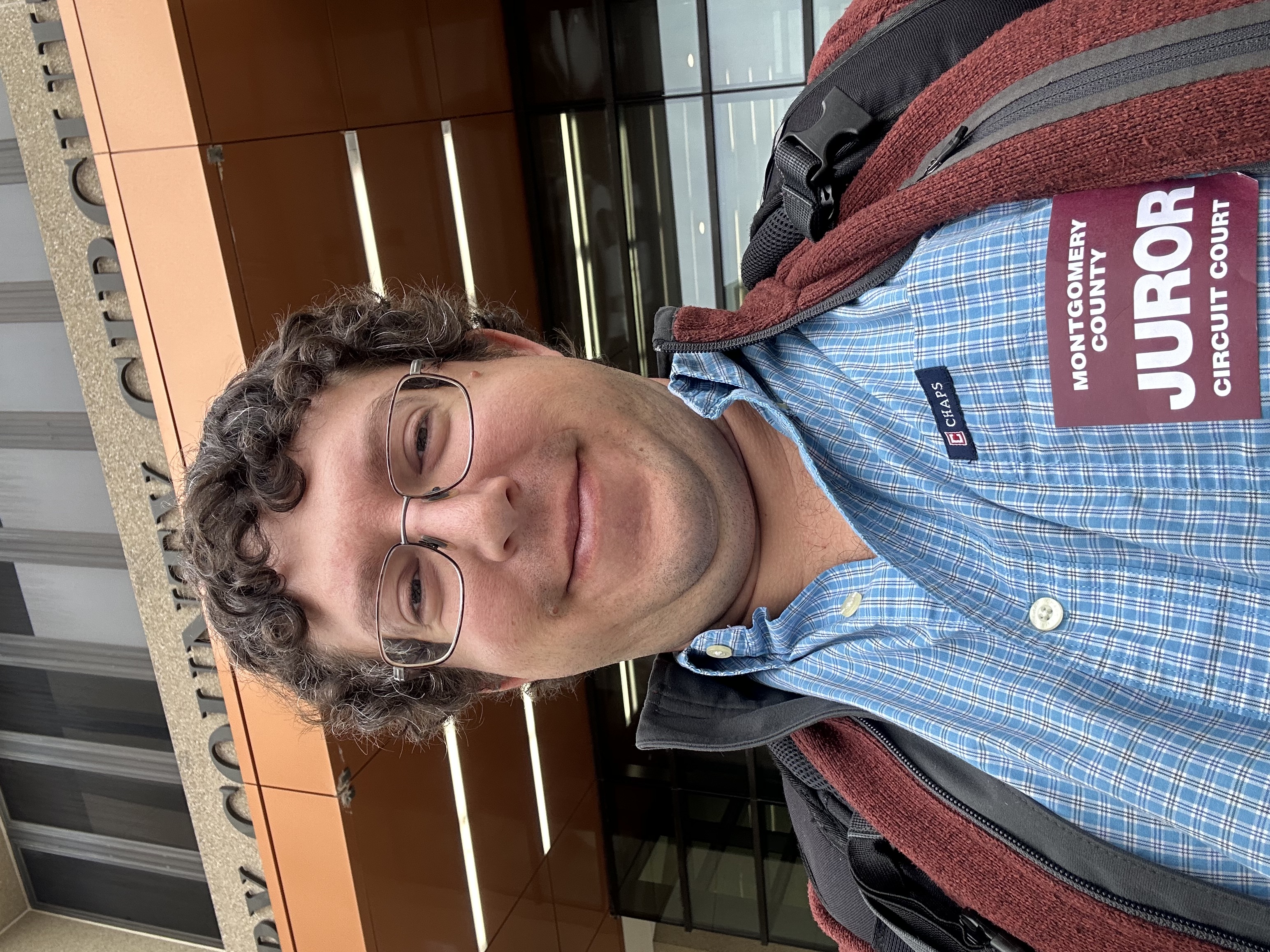
You just heard Jason talk about what it really means to be a senior leader in the federal government and how little intentional investment there is in actual developing these leaders. Behind that perspective is a career spent inside the machinery of public service. In this episode of Life Between Titles, I talk with my friend, Jason Briefel. Jason has spent more than a decade representing federal senior leaders advising on workforce policy, civil service reform, and what it takes for the government to actually deliver for people. He has worked alongside the Senior Executives Association and other professional work groups. connecting the day-to-day reality of career public servants to lawmakers and policymakers who shape their world. We talk about the emotional toll of long job searches, what it felt like to move back in with his parents as a married adult while also trying to find work, and how that season affected his mental health. Jason shares how his current job search is different now that he has deep experience real relationships and more clarity on what he is good at and where he wants to contribute. We also get into his life outside of work from seeing his favorite band widespread panic 115 times across 23 states with his wife to taking his daughters to bluegrass festivals and teaching them how to move confidently through crowded spaces and unfamiliar communities. of it is a through line of values using his privilege in service of others, speaking plainly about what's broken, and trying to build coalition that can make government better. Here's my conversation with Jason Brieffel. Let's get it.
Welcome to Life Between Titles. I'm your host, Savan, and today I've got my friend, Jason. Jason, how are you doing?
Doing great, Savan glad to be here today.
Awesome man. ⁓ Hey, before we get started, you sent me a list of tidbits about your life and I wanted to ask you something that I thought was really important. You ready? Okay.
Yeah, let's do it.
So you said that you and your wife have seen widespread panic 115 times together across 23 states. I can't say I've been committed to anything that hard in my life. ⁓ Why did you do that? And how did it shape you?
Yeah, great questions. We happen to have common interests that include traveling and ⁓ experiential things as opposed to material things ⁓ in life. we have friends all around the country, both because we went to ⁓ a smaller liberal arts college and we had a set of friends who were from everywhere. Now live all over the place. ⁓ We've also met people ⁓ and made
Mm-hmm. Yeah. Yep.
friends that I've been friends with now for over 20 years, for some of them, ⁓ from going to see this band. so ⁓ having an excuse to go out and reconnect with friends, go do something really fun. And for me, what I like most about, you know, the concert experience or any kind of experiential experience is really just trying to be there and in the moment and living for that time and that experience. ⁓ It's a band that has, I think, fairly deep lyrics and ⁓ they're also very good musicians, but it's really about that combination of the music and the words, the things that they're speaking to speak to us. We're going out there and catching up with ⁓ friends old and new and making new ones all the time. And it's one of those things that we like. spending our shared money on actually this very morning today at 10 a.m. ⁓ bought tickets for their headlining this All Good Festival in Columbia, Maryland next summer ⁓ in July, a week after our what will be next year, 14th wedding anniversary. ⁓ And we'll get to see them two days, 40 minutes from home. And I'm sure we'll have bunch of there as well.
Uh-huh. Uh-huh. Wow. Have you memorized all the lyrics from the band?
They are, in addition to having their own awesome songs, they also sometimes are called, you know, the world's greatest cover band. So there's also like a very deep repertoire of, you know, mostly rock songs, but also like funk and, you know, stuff like that, a pretty wide array of other cover songs that they do really well. But ⁓ yeah, they, there are some very impactful lyrics ⁓ in the catalog.
Off top your head, can you think of any you'd like to share?
Hmm that is a good one. That's a hard one, too ⁓ So part of it Part of it isn't only just the individual songs It's also sometimes the way that this band is like a band that every show is different kind of a grateful dad style so like every set list and every every night is is different and the Trying to interpret or talking with your friends afterward and interpreting like why did they make the arc of the songs go in that way? the, through our experience or through being part of that show, where, where they sending the audience collectively on the journey, where they sending a message with, with, ⁓ individual lyrics or the way that they, they put it together. And then of course, because everyone's coming to these things from wherever they're at in their life, ⁓ you know, the, existential debates of, you know, which direction they were going, what it meant for you or the differences and what different people took out of the same thing.
Mm-hmm.
⁓ I think that that's one of the most powerful and interesting things about music, you know, a room of 10,000 people can hear the same things and everyone has slightly different insights or reflections, or it's taking you back to a memory or it's making a new memory. ⁓ and that really is part of it. And that's, ⁓ I find that live music, I was, that's where I get that kind of, ⁓ this is what life is really. you know, for like being fully in the moment and present. so I didn't answer your question about a favorite lyric cause it probably changes all the time. My favorite song changes on, on the daily. but a really good one is, is you should be glad it's very funky, but, really just, the notion that, that you should be glad to be happy. You should be happy, glad to be alive. And, it's.
Yep, for sure. Yep, that gratitude. I like that.
It's a big one. There are others about traveling. There are others about doing the things that we do. There are old friends. ⁓ It's, I don't know, it's become the soundtrack of my life. I've now seen this band for more than half of the years that I've been alive. So that's a funny thing to think about now that I just turned 40 a couple of months ago.
Yeah Yeah, congrats. Congrats on that. ⁓ You also mentioned that you take your kids to a lot of bluegrass festivals. ⁓ What are you hoping they get out of this experience?
Yeah. Yeah. So yeah, we have, I have a seven year old and a 10 year old, both daughters. ⁓ so full, full girl dad mode here. And we take them most years. ⁓ Memorial day weekend, but there's a great local, bluegrass festival in Cumberland, Maryland called Del Fest. ⁓ Del McCurry, ⁓ is a very famous bluegrass artists who started back with Bill Monroe, ⁓ back, back in the days, back in the sixties, he was in Bill Monroe's band for a few years.
[10:12]
Yeah.
And this is another place where my brother and his sister almost always come to this event. They now live in Michigan. So this is a thing that they come back for many years. We have a mix of local friends, but also now like DelFest friends, like people who we literally see and camp with every year, you know, myself and my wife have gone like 13 or 14 times. Our kids have each been almost every year that they've been alive. Um, and it's so it's partially. showing them that they can be kids and, being in a community where we, you know, know enough about what's going on and feel safe enough to give them some freedom, to be kids and to run around on their own, you know, now that they're, they're old enough, we give them their own like walkie talkies and, know, kind of send them on their way with their, their friend crew. So it really is about building some personal, the other side of that is also the things you hope that they learn, personal responsibility. You know, not every stranger is trustworthy, but also, you know, this is a community of folks who are generally pretty trustworthy. This is a place where you can go and have fun. They happen to either like or have gotten to like the music. ⁓ So it's great that they have some bands that they like and particularly some female artists, you know, I think.
Mm-hmm. Yep.
I for kids and particularly girls, like seeing people up on stage doing things is inspiring to them as they're trying to build confidence and think about what the things that they have passionate about and want to do in their lives.
Yeah, I agree. think there's something to be said about exposing your kids to... communities and experiences that you can't just teach in a house on its own. And, you know, that was one of the hardest things during COVID was ⁓ my daughter was in second grade and I feel like she missed out on a full year and a half of like that community experience and just learning from, you know, going out and talking to people and hearing what they have to say and all those things.
Thank you.
For you, you as you're raising your two daughters and taking them to all these festivals, are you hoping that they are learning some of the things that you've learned as you've gone like 13 or 14 years to these festivals? what are you hoping that they get out of this experience?
Yeah, well. They're coming because we want to go. And they're going because we want to go. And luckily, I think that they have a lot of fun. And you know.
Well they don't have a choice now, right? Yeah. Would you be devastated if they hated bluegrass?
No, no. And we are definitely getting to the age where like, uh, because of soccer tournaments or other things, uh, we'll see how, how we, how we can keep the streak going or not with, with DelFest. But you know, I, I think it's, don't want our kids sitting at home. We don't want to be sitting at home, like playing video games all weekend, like looking at screens all weekend. You know, at the end of the day, these are, are just getting out and learning how to interact with the world, getting exposed to art.
Yeah. Yep.
getting exposed to community. ⁓ You know, my kids know how to navigate a crowd. So when we take them to say like a professional sporting event or like a community parade or something like that, like, I don't have like the fear that my kid doesn't know what to do if they get lost from me for a second, because they absolutely know what to do and how to get help. And so some of it is like building confidence as a parent to let your kid be a kid by, you know, giving them some exposure.
Right. Right. Right.
to experiences and environments that might be a little risky, but you measure your risks, you put them out there. We can't wrap our kids in a bubble all the time. So some of this is for us to push us. When we took them as a baby, for example, like infant, our friends were like blown away, blown away that we would have an infant at a four-day camping festival. But like, it was fine. They're just strapped to you. It's pretty easy. It's harder when they start walking. You know, a two year old is way harder. ⁓ So some of it is just you realize you have to give up a little bit of the part of the experience that you wanted to or ⁓ the late, you know, the vacation piece of it. It's definitely work. Not saying it's easy, but I wouldn't want to just like leave them at home and go by myself.
Yeah. Yeah, they're not doing anything. Yeah, I agree.
We certainly pick and choose the moments that we do that. Actually, like widespread panic is like too loud for my kids. They don't really like them. ⁓ And we were at one festival once that they were playing and the kids were there and like, they were quite dissatisfied. It was just too loud. It's like very aggressively loud rock and roll. ⁓ But like, I know that. And also like, that's my time. That's our time. So, I don't know.
Yep. Right. Right. Yeah. Yeah. Yeah.
We're a family who likes to do many things as a family. And so these are some of the things that we do. And again, it is that mix of doing things as a family, but also often seeing, you know, other family members or friends ⁓ in these. And sometimes we go to new places. Sometimes we go back to events that we've come to really love and get comfortable with.
⁓ Jason, tell me about where you grew up. You mentioned that you've been all over the country and you went to a small liberal arts school, but where did you where did you grow up?
Yeah. So I, I grew up about 15 minutes from where I am now. So in Silver Spring, Maryland, right outside Washington, DC, ⁓ I went away for college, ⁓ to the University of Richmond in Virginia, and then came back, worked on the Hill for a little while and then, ⁓ went down to North Carolina for, for grad school. I, chased, chased my then girlfriend down there when she got into grad school and then got into a grad program myself.
Mm-hmm. Uh-huh.
But we came back here in 2011 when we both finished our graduate programs and lived with my parents for 14 months. 14 months. was a stressful time. That was my last major job search before the one that I'm in the middle of right now.
Right. What was it like living with your folks? I've done that ⁓ in my early 20s and I'll tell you for me going back and living with my folks was very humbling and also just very suffocating. Like I love my parents and I love all they do for me but it was personally very suffocating. How was that for you? Especially were you married already at that time?
you So, yeah, this was post-marriage. My wife was a new presidential management fellow in a government job. And ⁓ I spent most of that time that we lived with them like 14 months trying to find a full-time job. I had a couple of part-time jobs, some paid and some unpaid, but otherwise it was a... ⁓
Uh-huh.
like quite a literally depressing time in my life. Like I had to go back on depression medication and I started actually having panic attacks at the time because of the job search and the confluence of the pressure from my wife and my mom. But they gave us a lot of space. They gave us a lot of space. On the other hand, we were able to chunk some money away and, ⁓ you know, put some
Yeah, I understand that.
you know, down payment for a future rental. once, once I finally got a job, we quickly moved on out of there. So, ⁓ they were as supportive as they could be. I'm sure it was that ideal for everyone, mostly because of me. but, it worked out fine. We, we watched, there was a big renovation while we were there. And so we like locked ourselves in the bedroom and watched the whole wire, the whole wire series. ⁓
Yeah. ⁓ yeah. That arguably is the best show that's ever been made, arguably. Yep.
Yeah, it is an amazing program. ⁓ So yeah, and they were very supportive. I'm very lucky to ⁓ have people in my life who deal with sometimes the BS that I put out there.
Yeah, you know, and it's it's it's one of those things when you're going through these job searches It's the hardest thing at least for me is that lack of clarity of when it'll end ⁓ As a person who likes to to plan things and check things off and do those things that was definitely the the hardest part for me for you You know, you mentioned that you were you were depressed and had anxiety during this time. What do you think was like the hardest part for you?
Yeah. Part of what was exceptionally challenging during that, that prior job search. So this was like in 2011 into 2012 was, um, getting really close multiple times, but not getting the job. So like I was the second choice candidate for four different hiring, hiring actions. And so like knowing that you've been through multiple rounds and that you're pretty competitive.
[20:16]
Mm-hmm.
and then not being picked, then like no one being willing to provide any feedback whatsoever, like at all in any way at all, ⁓ made it really hard to figure out like, what, when am I doing wrong? What do I need to do differently? It made it hard to keep or build self-confidence, you know, by the end, by the end, I kind of was just like, well, I just kind of assisted by the end, I kind of put my feelings aside or buried them with the medicine and then just like,
Yeah. Yeah.
was a machine of just like cranking stuff and it just became a pure numbers game and I was like, well, I'm just gonna do 10 a day no matter what, no matter how hard I try on them or not and just feed it like that. ⁓
Right. Do you think that, yeah, I was gonna say, do you think that technique worked during your first unemployment experience? And I think maybe we could dive into this a little bit deeper later, but I'd love to know sort of what you're doing differently this time around versus that first time.
Did that work? I don't know. Yeah. Yeah. I don't know that it worked, although one of the randomly found jobs that I had applied to became the job that I got and had for 13 years. So, you know, one of the things that I found and was just like, well, this seems like I could do it. And I didn't know exactly what the work was. It was just like a general policy analyst.
Yeah.
you know, special assistant kind of like bottom floor policy job. Like, sure. At a law firm. Like whatever, I can do that. and, ⁓ it just worked out. But like when I applied to it, I had no idea that there was anything interesting or special or unique about it. And luckily I had a great boss, you know, there who hired me, who I, you know, worked with for many years and continues to be, ⁓ a mentor and friend.
Mm-hmm. Right.
I really lucked out.
Yeah. It's amazing how things... It's amazing how things work out. ⁓ and it's always those opportunities that you, you never see coming. At least for me, I mean, I feel like every time I go into an interview and I think I do well, I never actually move forward with it. But the ones where I'm like, I'm just going to go and walk through it somehow always works out better for some reason. And I don't know if that's just like a sign from God or whatever, you know, being you believe in, but. ⁓ It definitely plays a lot of tricks on your psyche because then you're just... You don't know what to expect, right? With these experiences.
Right. Yeah, I'm curious, did you pursue when you were at the Pentagon recently, did you pursue that or did you get reached out to on that?
No, ⁓ you know, I feel like one of the things that has been fortunate for me is there's always been ⁓ a group of people that I've leaned on. And ⁓ this was right after Rebellion Defense where they had a massive layoff and I was unemployed. ⁓ I was just trying to figure out what I wanted to do next. And I just talked to people. And one of the people I talked to was John Sherman, who was a CIO at the time. And ⁓ he said, hey, you want to come back in and do this. And I feel like those are the best jobs I've had are the ones where I've sort of had that natural connection already and there isn't ⁓ there isn't like this preconceived notion of what that role should be it's really sort of tailored to the person and what they can bring and I feel like those are my successful my successful jobs at least
Yeah, yeah, that makes sense. And you asked what's different now that I'm searching, you know, after, you know, legitimate over a decade of professional experience ⁓ and entrenched, you know, relationships, you know, across the space in town. It is like, obviously very different for a lot of those reasons, you know. On one hand, my search previously, you know, a decade ago,
Yeah.
more ago was fresh out of grad school. I had had some random jobs. I hadn't even really had any professional jobs. I worked like landscaping during college just to make money because I didn't really care. And so I didn't really have a direction other than just know I wanted to be doing some kind of policy or policy adjacent work. You know, now in my current search that I'm in, and you know, I was looking before before my job ended as well.
Right. Mm-hmm. Mm-hmm. Right.
is a combination of I know the things that I'm good at. I know the people that I know. I see some of the gaps in the things that, you know, could be exciting to do or try to get after. ⁓ but also I've also been trying to not bake the pie or bake, you know, bake the vision of what the next phase could look like to look exactly like what I might be best positioned to do right now or what I was doing before. So I'm trying to kind of keep open opportunities and possibilities of going in a different direction, but like leveraging my skills and the experiences that I have. And it's admittedly hard to do that, you know? In part because one, you know, doubling down on the places that I've been and the networks that I know, I feel like I could make the most impact potentially, you know, hitting the ground wise.
Mm-hmm. Mm-hmm.
But would I grow the most as a leader, as a person, as a worker? I think I know that the answer is probably not. But also, maybe, if I'm in a bigger organization with resources and support, if I'm working with still other peers, I'm someone who always learns from the people that I'm working around. That's also just part of my personality is I'm a
Right.
I like understanding how the whole thing works. like kind of like getting down to the ground level and then, and then building up and kind of scaffolding my understanding on how things work now and how they could be better, different in the future. And, you know, I think we are in a big kind of inflection point moment in our, in our economy, in our country, everything else. And, ⁓ I haven't used AI. all the time. Is that going to be the death knell of me? I'm not sure. like, you know, synthesizing a lot of disparate information into like a coherent understanding was always like, the might one of my core skills coming out of being a history major in undergrad and my later graduate work and part of why I'm so effective as like a policy advocate. Now you Now you can just like pop a bunch of documents and stuff into a GPT or an LLM and it kicks those things out for you. But I still know and have to believe and have to figure out how to make it a selling point for myself that like the human insights, that like, do you use relationships to advance ideas? You know, how do we build momentum around ideas with other people? ⁓ Like, I don't think AI can do that.
Yep.
And hopefully,
I agree.
I'm right, hopefully that means there's still a role for people who do kind of relationship driven, know, bridging and bonding and trying to build something different toward the future. ⁓
Yeah, I don't think AI is going to replace the human connection. mean, AI will replace a lot of things, but that human connection piece is definitely one that I don't think it'll ever. it'll ever replace. ⁓ Jason, I want to maybe touch on some of the challenges you've had. And I'll give you an example of the challenges I've seen through my conversations and personal experiences. you know, as you go from this person who has graduated ⁓ college, getting an advanced degree and then finding that job, I think there are certain ⁓ certain roadblocks and challenges that you have there that I don't think you'll have now that you're more seasoned. Do you feel like some of the things that you're running into now that you've got a decade of experience and you're looking for more senior roles, do you feel like that's harder than what you had before when you were unemployed for 14 months? Or do you think it's easier now that you've made those connections and have that experience?
I I certainly feel much more confident and far less like alone in the search. know, I have people in my network and colleagues and mentors who are continuing to actively like reach out, ask how things are going, you know, help look at my materials. You know, some of them are even open to doing, you know, prep for interviews or other, you know, looking at stuff. So for me, it's all about confidence.
Yeah.
Like it's all about self-confidence most specifically. so having those cheerleaders and having people like saying, like, you're going to get there knowing other colleagues who have also had employment disruption this year, who have said, you know, sometimes I didn't hear anything for months, but then like three, four months later, you'll hear a gusher of responses. And some of them are finally, you know, starting to get employed, you know, nine, 10 months later. So, so, so hearing kind of just what people are experiencing and getting some, feedback about what I'm, I'm up to, I think has helped me stay focused and not yet get demoralized or discouraged that I'm on the wrong path. Like I've already, I've had one interview, virtual interview in like less than two months of actively applying the stuff. So that's not amazing, but I know, I know that it's better than, than other people who are just facing a void. of just hearing nothing at all. ⁓ But, you know, one thing I am finding is a bit more challenging ⁓ is especially some of the senior level jobs that I'm looking at are looking for multiple skill sets that I usually check some of the boxes of, but there's often like one piece that I just don't have the experience around.
[30:45]
Yeah. Yeah.
And sometimes I know that I could do it. And if I know I can do it, I usually will still apply and kind of write to, I can learn those things. But if it's like, if they say, if the posting articulates that there's not the bandwidth or the timeline for that, if they're not, you read these language and all these jobs and you get a sense of the company culture of... Is it just go, go, go, or do we want employees who can be successful here for longer than six months or a year? and, we're going to help them be successful. And if you don't hit every box, you do so. But you know, one, one related thing to that. there's the, did I do things or not? The other piece is like the specific metrics around impact and like measurement and like. You know, did you put a system of in place to do these things? And the reality of my work at work experience is I worked for, you know, small nonprofits that were not mega rigorous in, in, in the way that they went about doing their work. And so it's like, I understand why you would want, want to have, ⁓ measures and metrics around things that you're doing. But like, do I have experience as a leader? putting in place a system of measurement for a set of operations. No. Could I do that with some competent people supporting me? Sure. But that feels like one of just the work that I did, or whether we got the policy outcome or not, was the only thing that my clients were ever paying attention to. They weren't saying, oh, they had no means. regardless of how to document that. So that's just something I'm trying to figure out how to speak to, where I might get that experience in other places, ⁓ or whether maybe my experience is more common than some of these jobs that expect people who have worked in these like perfect bureaucracies to ⁓ bring that experience to the table.
feel like, you know, there's a mix of these... job openings that are unrealistic. You somebody will write, hey, I want 20 years of AI, where it's like, well, I don't think we've had 20 years of AI that's been out there, right? ⁓ So I think there's a mix of that, but I also believe, this is Savan's personal hot take, I also believe that there's, for most of the jobs, as long as you're hitting a majority of the qualifications, you're gonna learn.
Right, right.
the rest of it, you know, on the job. I'll say like for me personally, I've learned so much in terms of the breadth of things ⁓ that I know now on the job, whether it's how to read a P and L, how policy works, how do you sort of, you know, go through and figure out what gets funded or not in the DOD? I mean, they don't teach you that in school. There's no class for that type of stuff. And so, you know, there's a certain amount of unrealistic expectations, I think, when people put out these ⁓ job openings. But I also think, as a person looking for work, ⁓ Generally speaking there should just be like a you know, it attitude, right? It's like fuck it like I can probably do most of this stuff and then the rest of it I'll just figure out, you know, I've got here already ⁓ I've been doing this for ten years. Like there's no reason why you can't do something like that
Yeah. And that's kind of how, that's kind of the calculus that goes through my head as I'm trying to decide whether it's worth spending the time on applying to something that might feel a little bit farther afield or a little bit more of a stretch. You know, it's like, is it interesting work? Is it an interesting organization? Does it sound exciting? ⁓ I might be willing to do it, but if it's like, there's no way I could be successful and there's no way that I'm going to get to talk to somebody, get to that interview phase.
Yeah. Yeah. Yeah.
And I'm
Yeah.
not going to like, I'm not going to spend the time going through that, that, you know, chat, JPT rodeo of playing the AI apocalypse to update my resume and cover letter to me and all their, their keywords. ⁓ and that's been a whole thing, right? Like using these technologies to, to help, but trying to maintain, ⁓ some semblance of yourself. And actually like, when you look at the paper, it's still.
Yeah. Yeah, agreed.
feels and reads like you. ⁓ And I find that to be a challenge, but I'm getting better. Some of it is just ⁓ letting go. No cover letter is going to be perfect. And at the end of the day, doesn't really, it only matters so far.
Mm-hmm. Yeah, agreed. Jason, tell me about you've you've worked ⁓ supporting the government in some capacity or other over the last 10 years. Tell me about sort of like when that started. ⁓ You mentioned that you done work with the House of Representatives early on and your work, you know, now you're your latest position now. But tell me a little bit about that.
Yeah. Yeah, so I've always been interested, someone who's interested in ⁓ kind of like where the rubber meets the road on policy. So not so much the politics side, but more public administration or early implementation. And so broadly, I'm someone who thinks that like, we should have a government, its role is to fill those gaps in our society. But like, boy, probably could do like way, way, way better than we are. ⁓ And so I was lucky enough to land
Yeah. Yep. Yep.
at a federal employment practice law firm that represented government managers and government senior executives and other professional employees. So the job I landed in for the past 13 years was a place that kind of that frame. I could apply it to each of the clients or the different work streams that I had at the Vermin. That was kind of the type of energy that I brought to the table for my clients. sure I was representing them, but I was representing them in service of this bigger idea of like, you know, government has to be able to deliver. Cause if we already have a trust problem and if we continue saying that we're going to do something, but not delivering the people that I represented, career civil servants are the people who suffered have been left behind and cut out and certainly
yeah. yeah.
are feeling the repercussions of the Trump administration. But I was one of among the people in DC who saw this coming for a long time and tried to help get in front of it by saying like, we need to update the way that we manage the civil service, the way that we manage government, the way that we procure and use digital tools. ⁓ But a lot of times what I saw was we skipped over the basics and we went to hire
Yep. Yep.
higher level, more difficult activities, and we eventually fell on our faces. And so, you know, there's a lot of lessons in there.
Yeah. Yeah. Well, we also get we also get infatuated with these shiny toys that come out and we forget about some of the basic things that we've already agreed to in terms of delivering.
Yeah. Yeah. So it's working around the federal government, you know, the world's largest bureaucracy has certainly taught me a lot about, I guess, the human condition and, and, and, and in all ways. And, know, I also, one of the things that was actually a kind of a, a fun sidetrack that really has informed how I think about this stuff is I ran the professional development for the senior executives association for
Yep.
like seven or eight years, including planning a bunch of their major annual leadership conferences and other programs and stuff. And so got to work with like world-class leadership people. You know, I recruited Amy Edmondson for a, for a session at a conference and she did a fireside chat session with ⁓ Jen Easterly, the former head of Cicero. And this idea that like,
Mm-hmm. Yeah, yeah, she's fantastic.
We need leaders to bring people along through change. And you know what I've learned about technology is like, know, 95, 90 % of technology change initiatives fail because we don't pay enough attention to the people and the change management stuff. And so like having that understanding that comes from like organizational development and like, you know, leader development and thinking about it in this policy context where you have all these people who want to change the way that government programs and government operations work.
Mm-hmm.
[40:18]
but they go about doing so through a procurement lever as opposed to like a training their workforce lever. ⁓ I always thought was chasing the wrong solution in the wrong path, but I also understand why, because in the political economy, you know, who's giving money to policymakers? It's the vendors on the outside who have an awesome shiny solution and that solution truly could help, but As I'm sure you have seen through your experience, we don't always get the full value of those solutions because we don't bother to spend enough time and effort on bringing our own people along and just paying folks on the outside. Maybe they're competent and capable. Maybe they're even mission aligned. Still more expensive for the taxpayer. yeah.
Yeah, I mean it comes down to the the intention. of what it is that they're trying to get done. ⁓ And you know, I would argue that there's many times where the pendulum has definitely swung back and forth between sort of this massive investment in in vendors to then trying to bake in the talent in house and train people and hire people for those roles. And now I think it's maybe swinging back the other way. And it's gone back and forth so many times. But the thing that that I personally think has been horrendous for us is that we don't say the course. Like regardless of sort of how you feel of the investments, ⁓ because the administration's change and leadership changes so quickly, the investments we make never see any type of fruit and the taxpayers end up eventually paying for a lot of that stuff.
Yeah, it's very frustrating. And I do take some, some solace and pleasure in being the like, I told you so guy, but like, but, like, it doesn't actually help anything. It doesn't solve anything. And, you know, kind of as I'm thinking about what comes next, it is like, how do we bring these insights and understandings to up the, up the food chain to, the policymakers who really, I think just aren't seeing.
Me too. Yeah.
seeing this and continue to do things in the way that they know how to do them, but are getting us to this place. And I do think it starts with ⁓ not thinking with the end in mind. Like what outcomes do we want? And like I'm someone who thinks that like our political discourse is so challenging because we have no articulated or articulable like national goals or values.
Yep. Yep.
Like where do we want the United States of America to go? Where do we not want it to go? How do we get there together? No one has even tried, like, I don't hear very many politicians or other people talking or thinking like that, but I know that we have a lot more in common than we do different. And we have to keep figuring out ways to lean into those things and ⁓ sometimes put our ego aside in pursuit of that common good.
Absolutely. Yeah, Jason, I want to take two clicks out or two steps back. And for the listeners, we've got a wide variety of different types of people listening to this podcast. ⁓ But for the listeners that don't have experience in the federal government or supporting the federal government, I want to maybe frame what you've done so far in your career and what that looks like. ⁓ And maybe we could start off by your interpretation of what policy is and does for us as citizens. How would you define what what that is?
Yeah. So it's an interesting question. policy, policy is, I mean, I guess policy is a couple different things. It could be laws. It could be ⁓ regulations. know, usually regulations are an action that a government agency ⁓ takes ⁓ to use authority that was granted to it by lawmakers to fill in gaps around some issue. And I differentiate these two things specifically in part because who is responsible for them, who owns them, you know, and therefore who is your audience or who's, who's, you know, changes. may be your members in Congress. It could be a government agency or organization. Those, regardless of what those rules or policies are, they're going to dictate how you go down the road. So if you're a small business. You know, there are employment rules, there are taxation rules, there are cybersecurity things that you need to be paying attention to. ⁓ When we talk about, you know, red tape in our society, and when we talk about burdens that are particularly being put on businesses and stuff, often people are thinking of a government policy because there was some mandate that was ⁓ trying to prevent something bad from happening again. or trying to put some safeguards in our system so that the bad guys can't get away with doing things, nefarious. And so that's kind of just like the infrastructure of policy. How does it get enacted on a day to day? That's where you have enforcement mechanisms. Certain agencies who are looking to see if people are violated, those policies are adhered to them on kind of the audit and inspector general. side. you know, a lot of our policies were written a long time ago. And part of the challenge, certainly at the federal level, but probably everywhere is, you know, ⁓ we're operating under a set of rules and policies that come from a long time ago that might have been relevant then and may or may not be relevant now. But they're still on the books. And the question is,
Yeah, true. Mm-hmm.
which ones need to be changed, ⁓ and who cares about changing which ones. Sometimes we see a lot of effort and energy around things, issue based things that people care about a lot. Whether it's abortion or climate or whatever, name your issue under the sun. And there are, there's a whole ecosystem of organizations and entities who might educate policymakers about those things.
Mm-hmm.
Get people organized on a grassroots basis to call their members or to go rally in the streets with signs and what-have-you Or to write to their local media You know at the end of the day, you know, we live in a democratic republic. So we elect representatives to go and carry our viewpoints to the best of their ability in the places that they're elected to serve in and ⁓ they're struggling with those things. But part of the challenge, I think, if our policy ecosystem is there's a lot of entrenched and longstanding interests who care about the old ways and who often probably built a whole business model around the old ways. And you're always going to have new ideas, new businesses, new innovation coming in, bumping up against that and trying ⁓ to fill the gaps that aren't being filled.
Yeah. Right.
Or if there's a profitable new opportunity, like with all of this technology stuff that's driving this, ⁓ I think all economic growth in the country right now is being driven by AI investment. ⁓ Like is no other thing driving the economy right now. ⁓ That's really risky for all of us and for policymakers who are weighing those trade-offs.
I agree with you. I agree with you. ⁓
You know, what is the economy? Is the economy the stock market? What if I told you that, you know, only a fraction of Americans actually participate in the stock market? Is that really the economy? Or is it the reality that like 40 % of Americans don't have $400 of savings in their bank account in case an emergency happens? Is that really what the economy looks like? And I bring these things up in part, especially because from DC,
Mm-hmm.
We've had some major economic trillion dollar plus bills passed in the past several years, including this year with the tax bill, including the big, beautiful one. But like, what were some of the things that were the center of that debate that didn't affect most normal people? Things like the salt tax that affects, you know, New York and New Jersey and California, basically rich people who live in this handful of states was like the major sticking point for that trillion dollar bill.
Yeah, a big beautiful one. A big beautiful one. Yeah.
Not that it doesn't matter for the residents in those areas who want to be able to deduct that money and take advantage of that federal policy, but the things that we focus on in our policy discourse often are influenced by the loudest voices, the most well-funded voices, and usually rich people. We talk about things that rich people care about.
Yeah, I mean, I think it's because they know which levers to pull, right, to be able to raise their voice to a point where it's being heard. And I feel like most Americans don't know what those levers are and don't know how to actually engage in a way that can be effective to enact some sort of change ⁓ when it comes to stuff like that.
[50:16]
Right. And I think that that's why President Trump was elected twice, because Americans didn't feel like the system was serving them and their interests. And he said he was going to do something different about
Yeah, I mean that's honestly why any any president selected right you feel like they sort of have the best interest of the American people at least the ones that have voted for them at heart and ⁓ Whether or not they deliver on those things You know You could argue either way Yeah
That's always fodder for the next election.
Jason, we started off very, very vague in describing what policies are. ⁓ How would you describe your life's work, at least the last 10 years, ⁓ and how that directly sort of supports this idea of what policy is? Like, what did you do specifically?
Yeah, so specifically I was a lobbyist for federal employee professional associations.
Yeah, by the way, just a quick aside, I was talking to my wife about our conversation today. said, Hey, I'm going to talk to my friend Jason. He's a lobbyist. And she said, well, I think they call themselves advocates now because lobbyists are that that word is, I guess, has a certain connotation to it. What does that mean? And is that true?
Sure. The word absolutely has a connotation, like it's not something that I'm afraid of. And I actually am like happy to introduce myself to people that way. I've had this conversation over, you know, at holiday dinner tables with my wife's family and stuff, you know, down in the South. And, you know, the reality is petitioning the government to, you know, redress your grievances.
Uh-huh. Yeah. Yeah.
Is a constitutionally guaranteed first amendment free speech activity And so that's one of the great things about america is that everyone who's here? ⁓ Has the right to go and share your views with your elected officials about what's happening with your government that's funded by your taxpayer money ⁓ and so I'm glad that I have worked for you know
Mm-hmm.
mission-driven organizations representing employees that I felt good about representing. know, like I said earlier, I'm someone who believes that we should have a government, that it fills important roles, but that we can do better. And so, the various federal employee groups and professional associations that I got to represent gave me a platform for bringing that kind of value set and ethos to the issues that they worked on. ⁓ And so some of them cut across the board, you know, I represented senior executive government senior executives. ⁓ So a lot of big picture management issues and workforce reform, what we call in the space civil service reform. We haven't updated the rules for how we manage the government workforce really ⁓ since the Carter administration, 1978.
Mm-hmm. Wow.
I also represented IRS managers, you know, during a time where the agency, you know, was, ⁓ dutted over the past 10 years. And then during the Biden administration started to rebuild capacity and the ability of the agency and its employees to actually fulfill their mission and their policy mandates to serve the American people and business community. And, you know, I know that there was great pride of the workers there.
Mm-hmm.
where they were actually able to answer the phones for the first times in years. know, their customer service, like in answering phones, for example, was like in the like 10 to 20 % range. And they got it to like the 80 to 90 % answer in a phone call in less than three minutes in like a couple years with some investment and some dedicated attention. And like, why does that matter? It's because everyone who doesn't like paying their taxes still deserves someone to answer their questions when they have one. And weren't able to do so, but through no fault of the workers at that agency, it was because of Congress cutting their budget and intentionally trying to break it. But, you know, we already don't collect $690 billion a year every single year that are due in taxes because we have decimated the IRS's ability to collect that. And I find that really a data point I want to share here because
Mm.
We already have all the money that we could need and use owed to the federal government on the books. We're just not willing to go about collecting it. And so it's frustrating to see policymakers talking about new taxes or changing the tax code when we're really not enforcing the existing code or collecting what's already due. ⁓
Right.
And like, you know, I was just representing these poor workers, you know, frontline IRS workers make less than frontline McDonald's workers. Just to put it in perspective, you know, why it's hard to ⁓ change some of where these things are going as we digitize them is that the frontline staff are getting, getting decimated. ⁓ So, you know, my life's work was
Mm. Yeah.
understanding the real issues or my life's work. What I've been doing this past time is really sitting with and being with these populations of workers to understand what their real challenges are. And then trying to ⁓ advance policies, trying to get them in the right rooms and the right coalitions with other organizations who could help advance that conversation. You know, no one really cared.
Yeah.
what just some group of federal workers says. But if in that IRS example, if we could bring IRS managers to the tax professional community, who are also frustrated about their interactions with the service, but we can find common ground around workforce investment so that you can get service or standing up a dedicated line for tax professionals so that they can get through, which was done a few years ago as well. ⁓ Then you can build political power. Political support because you know, how do you link arms with others who are trying to take your your issues? to a better place ⁓ So so trying to both kind of ground myself and what the real problems are instead of the surface level problems And then finding friends who could help do something about it Or trying to ⁓ so building coalitions inviting ourselves into existing ones
Yeah.
trying to find where that overlap of our Venn diagram and the Venn diagram of others comes and then being like, here, here's this perspective that you have probably been missing, that we can help and trying to use that to drive forward a more well-informed conversation, but also try to ⁓ broaden the base of political interests so that we're more likely of actually getting somewhere.
Yeah. I mean, what you talk about is such a fundamental miss and a fundamental thing that, in your example, the IRS. ⁓ through it sounds like through no fault of their own because if they've either been gutted and then reinvested in and then got it again and then reinvested in and and it sounds like There's just a lot there that the organization is having challenges with over these last Couple years couple decades. I'm one could argue. Why do you think the government has such a hard time? Doing these basic things because like the way you describe it. I'm you know, those are fundamental jobs that that organization needs to do but it sounds like they have trouble with it. Why is that?
Yeah. I mean, I think a lot of reasons, I think we got here over time. So this has been happening for a long time. But, you know, I do think that the push toward outsourcing, which started, I guess, in the Carter and Reagan administrations, and then has continued, you know, without abatement, regardless of political party since then.
Yeah.
is a big part of it. And this isn't like a knock on vendors, but I do think that it's a we've outsourced our ability to strategically plan and strategically think and to critically think as as as government bureaucrats and workers. And like I literally was in a meeting a couple of years ago with a bunch of government and industry senior executives where someone from a cabinet agency was like, I'll tell you what our our updated strategic plan is once X vendor delivers it to us.
Yep. I 100 % agree.
And so like, and, and not only are those vendors doing that work for the agency, they also have lobbyists who are in OMB are in the secretary's office and then are working on Capitol Hill, maybe pushing toward that policy solution, but maybe pushing in a different ball in a totally another direction. And so what I know to be true, but what I'm not sure that that, you know,
Uh-huh. Yeah, agreed.
senior executives and other government bureaucrats really fully understand is how everyone else is playing the game all around them. And they're just like trapped in this burning building trying to do their job. And ⁓ they do it to the best of their ability through no fault of their own. And we've compartmentalized the ownership on the career civil servant side of these things so much. that there isn't meaningful accountability for the outcomes. Whether it is holding a vendor to actually building the thing that you wanted them to on the time and schedule that you wanted. Because of my experience with senior executives and the lack of fundamental training and investment that agencies make in them, I also think that we have...
[1:00:33]
Yeah.
leaders directing and buying and leading things that they don't fully understand. ⁓ And that can be okay if they're learning, but are there are there vendors or their partners or others around them ⁓ actually bringing them along in the way that they need to be? Or are they just keeping them on a treadmill with a carrot tied to the front of their head dangling in front of their face and that's all they see.
Yeah, I want to ask you about this, see your executive association, because I've got... vested interest in knowing more about this and You know, I wasn't part of the SES staff and as an HQ we we're not part of the GS band But we're we're sort of like this, know this bastard kid That's just off in this corner that has the responsibilities of SES's but also doesn't have the perks of them Right because we're you know, we're we're there only for a handful of years We don't we can't manage anybody
Yeah.
directly so we don't have authority over people ⁓ and we could be fired at will at any given time unlike SESs which takes a little bit more work to fire incompetent ones. ⁓ Your work at the SEA is it the sea or the SEA? How do you guys describe it?
A little bit, So I and many others have always said SEA. There are some people who say C, but I think SEA is what I recommend. And so the law firm that I worked at actually was founded by Jerry Shaw, who was ⁓ an IRS lawyer who became an SES and then left the IRS when it got all created and helped found the association. definitely.
Okay. Okay, yeah, I mean I think it's great. I think it's great because my experience working with my colleagues has been... ⁓ How do I put this? ⁓ a little all over the place. think there's some that do an exceptional, exceptionally great job and others where I'm like, how the hell did you get here? And, and, so for, for, for you, you know, as you were, ⁓ I believe the interim president of policy there, what do you think SES is need that they don't have right now? Because I would argue that in order for somebody to get there and for, for the audience that doesn't know about these rankings, like
Yes, fully.
an SES typically has years of experience either in industry or in government in some capacity and has gone through a pretty rigorous rigorous set of things for you to even apply to get to be an SES and and so it's not like a light you know promotion by any means but I also think that the things that they have to do sort of get them to a point where they should be competent at their jobs. Your association when you were president, what were you helping them out with that they weren't getting already?
Yeah. So, so I had a bunch of different jobs with the senior executives association. They were one of my main clients at, at the law firm for about a year in 2016. ⁓ I actually was also this paid staff interim president of the association when I had a less than one year old baby at the house. that was a, ⁓ probably the craziest time of my life. ⁓ so far.
Mm-hmm. Mm-hmm. Hahaha
But the Senior Executive Association is a professional association that represents senior career leaders in the government. I think you described kind of the level that they're at. These are your senior vice president level kind of people in industry. There's about 10,000 of them across the entire federal government. ⁓ Most of them are career federal workers, although there's some that are political appointees or are in limited term. And then there are a lot of other
Mm-hmm.
senior type of staff, like the HQEs that you mentioned, Savan, who have different roles and purposes. And to me, ⁓ OPM, the Office of Personnel Management, the government's personnel office, would always say, it's not our job to think about or even know about all those other types of appointment authorities that are outside of Title V, which is the core civilian part of
permutations. Yeah.
of federal employment, but there are hundreds of thousands of non Title V employees within the Defense Department, among other agencies. So one of them is, so it's kind of, so we have, we have this classification for executive level leaders. I basically see it as a pay system because other than that, we're not, There is no strategic or thoughtful development program in any agency or across the government ⁓ for these people to build an actual cadre of leaders who have some common management and leadership understandings. Like they share a language around executive leadership and a culture around executive leadership. And so what I think you see is that there's all these variations agency by agency.
Mm-hmm.
where the agency culture and preferences matter much more. And the success or failure of individual senior executive leaders is really about themselves and their ability to navigate the system. It's not actually like an outcome of we, the employer, or we, the agency, are intentionally building and finding the best leaders we can. Some of that's policy failure. You know, the set of policies that deal with government supervisors and managers and the set of policies around ⁓ executive leadership and for these SESers have nothing to do with one another. It's not like a stepladder. They're two different paths. And I think more broadly, you know, the government hasn't prioritized, you know, public service leadership as a discipline.
Mm-hmm. Mm-hmm.
and as ⁓ a unique job and focus on that whole managerial cadre. so civil service reform, big picture civil service reform was the thing that we tried advancing the most and I did the most work on at the association. ⁓ And of course there were pieces of targeted reform around the senior executive service. When I started at the law firm back in 2012, there was actually bicameral legislation. to do so, and then lost some congressional champions there. But it's kind of a systemic issue, I think, for the whole government. And then even in a place like DOD, DOD has more personnel authorities that it generally misuses and mismanages than it knows what to do with. And yet it simultaneously goes and asks Capitol Hill for new personnel authorities every single year. in the National Defense Authorization. And it's mostly because they're not really that serious about talent management in general. And I've got to think, I can't not think that it's in part because talent management is hard when you have no budget predictability and we haven't had a budget on time since 1997. And
the irony Yep.
And in-house funds, funds that we're investing in our own staff, if we don't spend them all by the end of the year in the government, they can be repurposed for other things. Whereas if there's a vendor who could help you with something over the next five years and you obligate those funds, well, that money is locked up. And so there are some design constraints that I think
It goes away. Yup. Yup. Yup.
really disincentivize doing all the hard things that we need to do to do right by our people, the government workers, and particularly our leaders, because it's often easier, more politically ⁓ acceptable, if not appreciated. And ⁓ There's so much energy about going out the door. know, I look at the professions that Congress has decided merit ⁓ a law that says that people need to have certain basic professional credentials and ⁓ capability versus those that don't. And the ones that we've professionalized are for all the things that send money out the door. Acquisition, financial management, cybersecurity. ⁓ What are the things that we have never professionalized and we don't want to have people going to these events and activities all the time? HR, management, executive leadership. So it's just, it's just all, we're just skipping over the basics, the basics of people management, the basics of organization.
[1:10:11]
Interesting. Yeah, I agree with you. I mean, the civilian workforce is so massive. And I think I think with the service members, we do a better job of upskilling them. And and it's because there's a lot more rigor around expectations. And there's a more clarity around. you you get promoted, here's the things you got to do here that here the check boxes and they actually give you the opportunities to get better. But on the civilian side, there isn't anything like that whatsoever. And I would argue that the things that they try to do, which is a lot of online classes, or watch a video and answer these questions. And then now you're smarter about things like, I don't know, cybersecurity, or HR or things not to because it's going to be sexual harassment. ⁓ you know, it's like the government at times do these things just so they don't get in trouble versus doing them because there is an advantage to making sure that your people are upscaled.
Yeah. And there's a, you know, uh, Jen Palka among others has, has a done a lot of thinking in recent years on this, you know, procedure fetish and, and this, this, this focus on compliance over outcomes. And, and, know, you asked like, how does some of the senior executives get to where they get it's because they know how to play the game. Some of, some of them are like the most amazing people that you've ever met.
Yeah. Yeah. For sure. Yep.
and deal with tremendous amounts of brain damage, getting the outcomes that they drive their organizations to do so. But I think that those people are in the minority and usually it's because of their own sheer force of will and personality and not like the organization, how the organization has set them up for success or not. ⁓
Mm-hmm. Mm-hmm. Right. I mean, get a couple allies and you get a couple wins on your belt and you can do a lot in the government. You can do a lot. Whether you're capable of doing what's needed in the future is different than being able to tell that story now and being able to position yourself to take advantage of those opportunities.
Yeah. Yeah, but Yeah. When I think it is interesting right now because so much is changing and particularly our technology and data and everything is changing, like what is possible and what's not possible from just being like a pure fiction to like maybe some of these things we can actually do is the like how much basic digital and technical literacy do all of our employees have just to our senior staff have.
Yep.
You know, how do we lean into those things more? How do we make them priorities? Not just check the boxes, but like, this is like something we really need to do. ⁓ and interestingly, like if I'm, I'm curious, and I think we'll see how it may or may not play out. If some of the like tenured senior leaders aren't willing to get on board with some of that stuff, you know, is their deputy or the person behind that deputy going to be the, the person who might fleet up and jump over someone because they have. ⁓ a mix of some of those technical skills, but also perhaps more emotional intelligence and social and relational skills that I think are really critical. you know, that's what I see coming out of a lot of the leadership literature is like, you know, human skills are going to be more and more and more and more essential the farther we go into technology, taking everything over.
I completely agree. And if we had another podcast, we could definitely dive into that. But I think those soft skills are something that are not trained well that we don't have easy access to. And we don't have opportunities to, to practice them in a safe way. And, but yeah, that's definitely another podcast altogether. We could dive into that pretty deep. ⁓ Jason, I want to spend the last third of our conversation
Yeah. ⁓
talking about ⁓ some of the things that that you think you did very well over the last 10 years. What what's an accomplishment or two that you're super proud of that you want to talk tell the world about?
Yeah. So it's funny. I don't show up to work for myself. You know, like I'm, I'm the last person that I think about, I'm not doing this, you know, because I want to bring Jason glory. Not even necessarily doing it. Cause I want to bring my clients glory. Although that is like, obviously part of, part of the job, you know, for me, it really is like the
Mm-hmm. Mm-hmm. Right.
the relationships and helping advance people's careers and ideas and like people like folks who have been more junior folks who I've been able to like help pull through and get to another place in their their career. Whether they're like colleagues ⁓ or folks on my staff. I had a deputy who worked with me for six years, Natalia, while she went to full time law school at night at George Mason University. just seeing like the personal growth, but also like the growth that she helped me with by having a sounding board within the office on all of the things that we did. Like I grew. And she grew and like she went on to clerk for a federal judge after working for us. She graduated near the top of her class and she just started like last month starting work at ⁓ a big law firm in New York City. And so like really like we met, Natalia and I met ⁓ at an event on Capitol Hill where I was giving a presentation and she was like a low level staffer at a nonprofit who had been sent to go listen to this lunch and learn.
Yeah, it's awesome.
And then I was able to hire her and like we were thick as thieves for the six years we worked together. So for me, like those are the things that I, I remember, cause it's not just like a point in time. Like we did lots of great work together for our, for our clients, but it was really, I think we both grew as people, you know, from, we, both had very different political perspectives that we came to the world with.
Yeah.
But I also think that that's what made us an effective team in DC. I was this much more kind of liberal democratic leaning person and she came from a pretty far deep in the right, but wasn't exactly like a MAGA person. And having those two perspectives and services of our clients while navigating all these policy things in DC, it made me a better advocate. ⁓ It opened my eyes to things that I otherwise might have ⁓ poo-pooed or turned away from. ⁓ it, so, so work, you know, she made me better. I think I made her better too. And, and for me, like that's.
Yeah. Especially in your line of work, that diversity is probably so important, right? Like to be able to think through critically all the different angles, I would imagine is important.
Yeah, I mean, that's how we wanted to approach the work. It's part of how we thought we had to approach the work because we didn't have, you know, we represented small organizations with no political, you know, political action committee or tools like that. And so how did we move the needle for them or how were we effective in representing them? was we knew our stuff. We understood the political dynamics and we tried we tried to be helpful and jump in when we had a chance of making some progress. And otherwise, we held fire. But understanding some of the political dynamics, particularly things that were bubbling up on the right at the time, ⁓ helped us kind of apply some foresight and to think about where are things going, not just where are they right now.
Yeah. How did you guys work together? I mean, just for the audience that has that that's living in an environment that has maybe pretty different perspectives of what the world should look like. How did how did you and Natalia work together? Well, because it sounded like you guys were good colleagues.
Yeah. So, yeah. So we, we, we did have an office in DC. We were there most days, but not all the time. Luckily we had a few years under our belt before COVID hit, which certainly changed the dynamic of, of outreach and doing policy work in DC, but not really how we worked with one another, mostly because we had already established, you know, some, some means and ways of doing that. ⁓ but you know, one of the things that she, one of the things she gave me was like a glass bowl for Jason's bright ideas. and, and I use scare quotes because my bright ideas were not always bright ideas, but sometimes they really, they really were. Sometimes they really were. But I think like having, having colleagues that you can kind of do blue sky thinking of around, you know, the work that you're doing and trying to be like.
You Double ideas? ⁓
let's be as outrageous as we can be and then start coming down to earth and then like what actually makes sense. Having the trust and having a really smart partner who doesn't come at the world and issues in the same way that you do, ⁓ you know, made me a lot better in many ways. And we did do that in person a lot of times. Sometimes it was on the Metro when we're going up to a meeting or when we were coming away from a meeting with a policymaker or staffer. But I don't know, I think it's just, it's really important, I think, to have that kind of psychological safety with your peers and your colleagues at work. I fully recognize that DC is a town of egos and people don't...
[1:20:43]
Yep, agreed.
like hearing the truth. But also, like we don't have time, I don't think, I don't have time to keep doing the same thing over and over, you know, talking about the same stuff and not solving problems that are like fully solvable just because like, we are afraid of offending someone who used to work at OMB who now is at a place that matters and could fund something that we want to do. Like,
Mm-hmm. Yep.
I mean, I'm sorry, but I think that that's why the American people are fed up with like the DC class. ⁓
Yeah, I've enjoyed coming back home from DC to small old Longview just because it's so different, you know. I don't know if I could live out there for five, 10, 15 years without feeling overwhelmed by the energy that's there.
Yeah, well, and I don't think I have been mostly because I'm not a political person. Like, I don't live and breathe politics. I work around it, but like, I don't care for it. I don't think about it. I don't watch election results. ⁓ None of my groups have political action committees. So like, you know, what I've seen is there's kind of two different versions of people in DC. It's like people who know what they're doing or talking about, and people have money to talk to other people who are very special people.
Mm-hmm. Mm-hmm.
⁓ And unfortunately, too much of our policy discourse is driven by the very special people who are ⁓ more interested in ⁓ lining their pockets and maybe getting their companies in business. this is why Jeffrey Epstein is such a big thing, right? When everyone is like, ⁓ the rich people in this country have just been self-dealing with each other and like working with each other for so long in all sorts of ways.
Yeah.
And you have very high level people who have been in the cabinets of various presidents who are still messaging the guy. To me, there's like something going on.
Yeah, I was gonna ask you a Jeffrey Epstein question, but we don't have enough time. So I'll ask you a different question to close out our conversation. So Jason, we've talked about a lot of things today, but if you had your kids listening to this...
Yeah.
say to 15 years from now, know, they're close to being adults or they are adults. What do you hope to get out of the work that you've done so far?
I think that they could take away or hear the things that matter most are leading with your values, sticking with your friends, and always being honest. You know, sometimes it means I'm on the outside looking in. Sometimes it means I'm giving voice to the things that I know many other people are thinking, but aren't brave enough to say because, because they might suffer more consequences. Like at the end of the day, as a white man in America, like I know all the privileges that I have and like, I'm going to use them. as far as I can take them in service of other people who don't have that. And I've really leaned into that, you know, through my work and continue to do so in my unemployment, for better or worse. And I think that is like, we need authenticity. You know, I think we have a crisis of authenticity here, but I know that the right folks are around.
Yeah. Yeah.
And, I believe firmly in like the tipping point concept that like, I think that there's enough like-minded people. I just don't think that we all are yet in touch with one another. So if we want to do something differently, if we want to have different vibes, we need to find ways to connect with those folks and, and make that different future a reality. And I also think that that's part of what our country needs. How do we connect with people closer to home who might be different from us, but like, want the same things in their community, like to be able to go to school or go to church or go to the store safely without being worried and come home after to see your family. It's like pretty basic stuff.
Mm-hmm. Yeah, I mean the basics are still the basics, regardless of... how you feel about things. ⁓ And I definitely love how we've ended up, ended our conversation with authenticity because I do think that there's just so much out there that it makes it hard to know what's authentic or not anymore, ⁓ both from a personal perspective, especially using tools like AI to just being honest in the workplace and doing the things you say you're gonna do and not being a jerk and being a good person. You know?
It goes a long way, but it's ⁓ easier said than done. ⁓
No, I hear your brother. Jason, I appreciate you. I appreciate you coming on, telling your story. I think that the things that you've done are incredible and I feel like there's just so much of the work that you've done that people just don't know about because they don't understand or have never been privy to that sphere of the universe that's happening, but I think it's a great thing. And so I appreciate you and all of your hard work and I wish you well and I hope you find something soon.
Thanks, Yvonne. I really appreciate it. This was fun to do. I hope folks take away some positive lessons and things learn, you know, life isn't easy. That's why I tell you to get a helmet. But like you keep going. You have your personal board of advisors and your friend in your corner. And like, you know, hopefully they can keep giving you energy like they do for me. You know, that's I'm checking in with people a lot to keep filling up my battery. ⁓
Yeah. Yep. That's amazing. ⁓ Very, very underrated, understated ⁓ activity. And so I fully support that as well.
Yeah, well thanks so much, Savan. Glad you're doing this. Hope it's useful for your audience.
Alright brother, I'll talk to you soon. Thanks Jason. Alright, cheers.
Yes, man. Peace.