[00:00]
What is it about Philly? that has taught you about leadership? Like is there something in the water there that makes it unique? You know, what does that look like?
Well when it comes to the city I think that Philly is a unique place because a lot of people don't know that Philly was actually the first capital of the United States. believe it was the capital until 1800 I want to say. So Philly sets the blueprint for the country.
Yeah, yeah, yeah.
when you talk when you're looking at the You know, course this independence hall you have like declaration this like the documents are not housed there But you know you think about when you think about Philly you think about Independence Hall you think about the Declaration of Independence and things of that nature. So I think that really the Looking at it from the standpoint of the Everything that has that started there
Mm-hmm. Yep. Yep.
Think that that's really kind of something where Philly kind of leads the way in that category where it's almost like if there I mean in a sense It's almost like if there was no Philly there there would be no United States since that's where everything was being being signed and everything like that so I look at it from that standpoint and then also I think that it's unique because as I've grown older and you know becoming involved and ⁓
Right, right, right.
as peers or kind of getting involved in different aspects of the city. I think that one of the things that I've learned from Philly in terms of leadership is that you become your environment. So
Yeah, for sure.
I'm super intentional about surrounding myself with people who I believe are doing great work and great things.
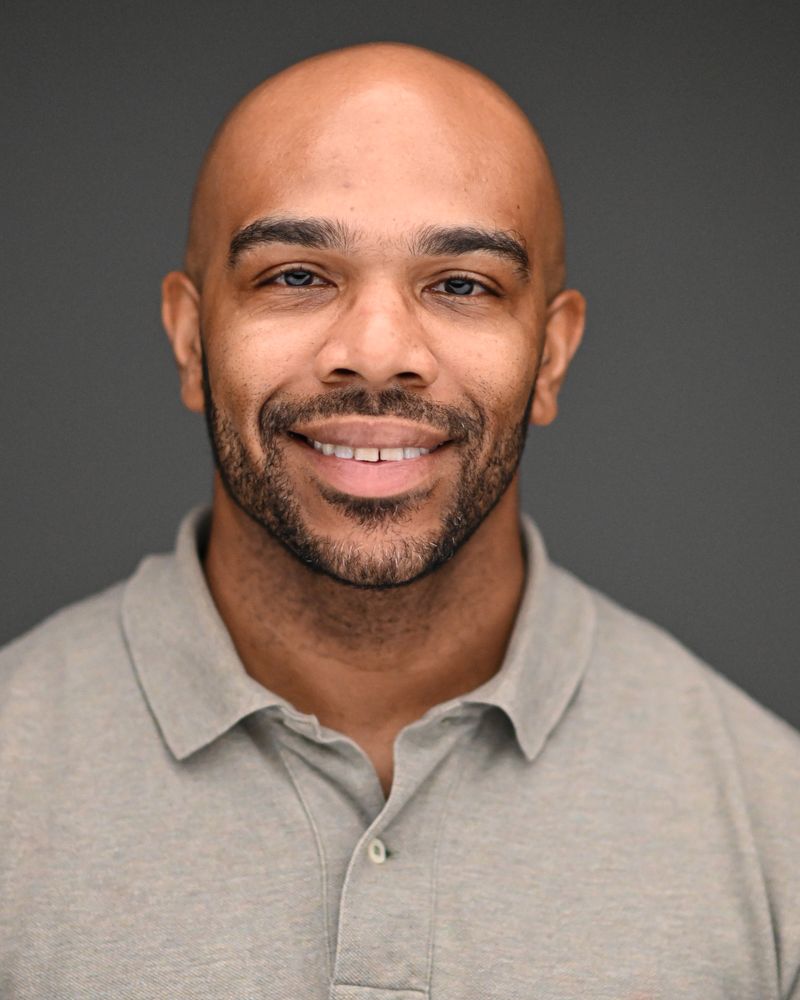
Today, I sit down with my friend Vance, a healthcare leader, a PhD in corporate leadership, and someone who lives in the real world of service, community, and people development. Vance is based in Philadelphia and Philly is having a moment. You have the energy of a sports city that expects excellence plus the weight of history and a calendar packed with major events. But what I care about most is what kind of leadership gets forged in a place like that. In this conversation, we get into Vance's story, born and raised in Philly, shaped by family, educated at a HBCU in Charlotte, then back home for a master's in health administration and 15 years of healthcare, including the intensity of inpatient psychiatric care. From there, he made the decision to pursue his PhD and that journey pushed him into a second lane, leadership development for organizations and talk about the differences between your job and work, what it means to discover leadership potential you didn't know you had, and how self-assessment habits and repetition turns big ideas into something you can actually live with. If you've ever felt like you were doing the right work on paper, but it's not the work that feels like you, this episode is for you. Here's my conversation with Vance. Let's get it.
Welcome to Life Between Titles. I'm your host, Savan, and today I've got my friend Vance. Vance, how are you?
doing great. I am doing great today. It's a beautiful day and I'm just blessed to be here. Thank you.
Nice. What part of the world are you in, Vance?
So I'm actually located in Philadelphia, Pennsylvania.
Yeah, exciting things happening over there in Philadelphia, especially in the sports world, or so I hear.
Yeah, yeah, we were. We're getting ready. This is definitely Eagles country out here. well, at least as we recorded this, we're getting ready for the NFL playoff. So it's certainly an exciting time, especially since, you know, went into the Super Bowl and everything last year. Everybody's excited about this time of year. Certainly. So very excited. And then we also have just there's a lot of things going on in Philly this year, just in general, 2026. Of course, you have the 250th anniversary of
Yep. Nice. Mm-hmm.
America so there's a lot of ⁓ things playing around that you got the ⁓ the MLB All-Star games going to be here you have some world some World Cup games are going to be hosted here in the summertime so this is what it's an exciting time to be in the city
Ooh. Cool. Wow, I didn't know all that. That's amazing, man. ⁓ We're definitely gonna dive into a little bit of sports related things, but specifically as it relates to leadership. I wanna pick your brain on some of your thoughts there. before we get into that, ⁓ tell me a little bit about who you are. Like, where did you grow up? A part of Philly? How did you spend your days as a kid? What did that look like?
So born and raised Philadelphia, Pennsylvania. I actually grew up in an area called ⁓ Mount Erie section of Pennsylvania. So grew up with was my mom, my dad. I have a younger brother who's two years younger. It's funny that ⁓ we're, it's funny because we are two years younger, but ironically a lot of times people mistakenly assume we are twins. I don't, we, I think we, like brothers but I don't know that we look like twins but nonetheless it's just something funny about that. ⁓ I ⁓ graduated from so I went to high school called Sal College High School here ⁓ and once I graduated went to ⁓ college I went to college at to a it's HBCU in Charlotte, North Carolina called Johnson C. Smith University. Went there for undergrad. Charlotte was amazing. I actually considered Charlotte, like my second home. I have a lot of friends and family still down there. And once I graduated, just so happened to kind of stay back, kind of stay in Philly at the time. So I came back to Philly after college, attended St. Joseph's University, got my master's in health administration. So the majority of my background has been spent in healthcare. So I've worked in healthcare. I've been in healthcare for about 15 years. Majority of my time has been sent it actually working on an inpatient psych unit prior to that I was Working at a skilled nursing facility doing admissions and business development. So I do that same kind of work also on the psych unit currently So that's all that's been a very interesting experience within itself and During that time that I've been working on the psych unit. I also took the time to pursue my doctorate so I have my PhD in corporate leadership and so
Yeah.
So that pursuit of that PhD in corporate leadership, that's really what ultimately propelled me to put me in this leadership development space. outside of my healthcare career, I do leadership development for students and organizations. ⁓ I love doing that work. My goal is always to help people recognize unrealized leadership potential within themselves and help them bring that out within an authentic manner. So that's definitely a passion of mine. So I like this. I like to say it as there's a gentleman I listen to a lot of the late great dr. Miles Monroe who he says Does you have your job and then you have your work? So I consider my my job is in health care You know being able to help patients who are in need of inpatient being able to talk to the community about the variety different topics And then my work is my leadership development work. So It's been a great ride. but nonetheless both of those keep me very very busy and Then just kind of yeah Yeah, I was gonna say ⁓
Yeah, yeah, that's amazing,
Outside of that lift I live in Philly with my wife and I a couple pets at the house no kids yet We've been married this would be two years that we've been married this year. So looking ahead kid, you know, appreciate that looking forward to having some kids in the future I should say ⁓ not quite yet right here yet, but we will be having some in the future. That's the blame
Yeah. Yeah. Congrats! Yeah. Yeah, yeah, I hope you told your wife your expectations before she hears this. Okay.
Yeah, she knows. She knows. We're on same page.
⁓ Vance, I love sort of the comparison of your job versus your work. And I wanna dive into that a little bit more because I think there are a lot of times where people will start to do a certain job and then year after year, they get incrementally better. And then they get into this hole where they're just like, I was a good accountant, but I hated doing it. but I have to do it because I've done it for 20 years. You were in healthcare for 15 years and you then decided to get your PhD and do this leadership work. How did you like talk me through the thought process or the decision process of when you decided, okay, like I need to figure out what I wanna do. That's gonna be something I'm passionate about like leadership development. What did that look like and how did that transpire in your world?
[10:12]
That's a good question. I ⁓ actually ironically enough I started my ⁓ I started my PhD Really kind of at the top This was a 2016 that I started so that was actually ironically enough. It was it was almost like I started simultaneously working in psych at the same time I was started my PhD program. So it initially got me interested was so initially I was looking at so of course I've been in healthcare. So initially when I started looking at programs, I was actually looking to get into public health because I
Mm-hmm.
The program I applied to I initially didn't get in and so that Was really kind of a blessing in disguise for me because what it happened was it opened my eyes And I just started kind of looking at other opportunities just seeing what else was out there And so what I would do when during that time period was I would go to like a lot of doctoral seminars just trying to ⁓ Network with other people who were either pursuing doctorates or interested in pursuing doctorate Over the ⁓ course of networking and discussions, I had met some individuals who told me that they were studying leadership and then I said Hmm that like you I never really thought of leadership from that point in terms of a discipline You could actually study in that way, but what that did was? led me to just do a little bit of research looking at the field from a and That's when it was like ⁓ this is definitely ⁓ leadership that I've gone on since like once I started it and going through the program that's when I really started it really I'm glad that I decided to go into leadership because what it really did was open my eyes to ⁓ looking at what good leadership was versus what it isn't and that broad approach and also just the various different styles different qualities that actually help people ⁓ for ⁓
Yeah. Yeah.
can understand them and apply them to me it's not really going to be as useful it's more useful if I can break it down and make it more digestible and more practical versus being in a room with a bunch of other people who have D PhDs and things like that
Yeah, for sure, for sure. ⁓ Vance, I don't have a PhD and I've said it before, I, you know, I still have these nightmares of going to school and then not studying or not finishing a paper or whatnot, right? And it's just like the anxiety of that at that level. I could imagine that getting your PhD is exceptionally time consuming. How did you go about sort of breaking down your life so that you can accomplish this goal, because it is a big deal and it is lot of investment back in yourself. What did that look like in terms of how you approached it?
No, that's great question. what I will say is that for anybody that is deciding to pursue a PhD, it's almost like you have to.
Mm-hmm.
You have to really face the fact that a party, like it's going to become a part of your life. Like that PhD, like the pursuit of it. So it is a lot of work. It's a lot of reading, a lot of writing, a lot of. research ⁓
Yeah. Yeah.
Mentorship influences black entrepreneurs brought qualitative study and so ⁓ What I would do is that all my coursework would be on either I was Researching entrepreneurship in some capacity or you're researching like mentorship. So it was a lot of mentorship Research a lot of entrepreneurs research about black entrepreneurs a lot of research about naturally leadership and like basically entrepreneurial
⁓ okay. Nice.
leadership was kind of the approach that I looked at it from. And so ⁓ being able to do that work with my coursework. Once it came time for after I passed my comprehensive exam finished and was working on my dissertation What that did was it cut down on a lot of the background? ⁓ Research that I would have had to do if I hadn't taken that approach now in some cases luckily for me when I started my ⁓ When I started my dissertation my topic never changed but for so for somebody where your topic is not going to change and you know that it's Research on human subjects you have to go through the official processes you go into IRB So it's like that with research at an academic institution. It's like that with Research and let's say like a pharmaceutical just because basically IRB is in there just to put its protection It's protecting the participants just to make sure that you're not doing anything unethical When you're conducting the research so sometimes people will be going through ⁓ you're going to be interviewing or studying children. That's something that is going to be a lot more scrutinized. For example, when it goes to when you're going through that, ⁓ that approval process through the IRB. So if you're coming through, if you're going to go through IRB issues, sometimes people will change their topic. But yeah, for me, it really ⁓ like it really, I always tell people that the earlier you start your research and you kind of are able to to narrow down and zoom in on that on the honing on that topic, the better off you're going to be.
Nice, nice, that's awesome, man. I wanna spend the back half of our interview talking about your leadership business, but before we get to that, maybe a couple things just to help the audience understand who Vance is as a human and as a leader. ⁓ You talked a little bit about black entrepreneurs. Who do you think are your top three black entrepreneurs that are still alive today? and why.
That's a good question. ⁓ I would say, I'll just kind of go, I mean there's tons of people there that are influential. I'll just kind of go off the top where, ⁓ I'll give a known person and then I'll give unknown persons what I'll say or maybe not as well recognizable. person who's not as recognizable but who is somebody I look up to ⁓ is a guy by the name of Damian Johnson. So he actually started a barbershop business. It started in Charlotte, but they've expanded where they have I think it's like 10, maybe like 10 or 12 barbershops that they have.
Yeah.
but him and twin brother, they are extremely influential entrepreneurs to me because one of his because ⁓ Damien is somebody so I'm a member of Alpha Phi Alpha Fraternity Incorporated and that's somebody that I've met and he's actually an alum of my undergrad institution, Johnson C. Smith. So that's really initially how I met him and just be able to see from the time when I was in Charlotte ⁓ when he was really, he really just kind of started. ⁓ really ⁓ That's really somebody that's been a ⁓ huge huge influence on me ⁓ And somebody that I really look to look up to and admire Next I would say ⁓ I would say that ⁓ probably somebody that I admire as an entrepreneur is a gentleman ⁓ by name of Don Peebles. So ⁓ he's a real estate investor. ⁓ He started off owning hotels and owns like multiple pieces of real estate. But just from reading his book, ⁓ sorry, it's the name of his book. I think it's called the Peebles Principles. It's P-E-E-B-L-E-S. just being able to read his story. and learn about how he got started and just kind of learning and seeing the different ways he was moving and shaking and being able to get where he was. That's also another person that I ⁓ that I really do look up to as well. And then third person. See, it's so difficult because there's so many good people. The third person, I would probably say... ⁓ I'll go with I'll go with I'll go with one of my another person I know ⁓ by the name of ⁓ so his name is Rata Rata Johnson him and it's RA it's RA HTA ⁓
[22:31]
How do you spell that?
It's R-A-T-A-H, I believe. He and his partners, they started an energy drink company called ⁓ Pureful Fuel. You may or may not have heard it. It started off locally, but it's called Pure Fuel. Just being able to see what they've been able to do, kind of carving out their way and breaking ground in the beverage industry,
Nice!
Just being able to see them do that I met him a number of years ago as well and just being able to see where they are Where they started and just seeing where they go now where they are now where their their business has really taken off That's somebody that's also
Yeah.
that I look up to and just inspired by their story and just inspired by just that journey that I've seen them go through. So those are probably the three people I could just name off the top of my head. But yeah, there's tons of great people that I've met, read about that are all great entrepreneurs moving and shaking in business.
Yeah, that's it. Yeah, I'll have to get the Wikipedia pages or some links of these people and I will put it in the descriptions for the audience. So if they want to dive deeper into who these people are, they can go about ⁓ reading the websites. Vince, what do you think are some of the common characteristics of these individuals that you admire? Like what are common themes that they all have?
For sure. Well, what I would say is the... ⁓ Common thing for me is that I think that ⁓ Before you're leading anything you have to have a vision you have to have some sort of inspiring vision that people can buy into So that's the thing that really when I look at people who are leaders That's what really attracts me the most just that big Clearly defined vision that really a vision that really inspires people something that people can latch on to so
Well, no. Mm-hmm. Yeah.
So think that all good qualified leaders have to have that big vision that inspires people. The next thing I would say is that these things that people, these people have great character. These are people who at least from what I can see, ⁓ know, in order for you to be a qualified leader and have people consistently buying into what you're doing, people have to be able to trust you. And so the thing
Yeah, for sure.
about it is ⁓ these are people at least from what I see ⁓ these are people who you know honest ⁓ people who are trustworthy and people who really stick to their word and they do what they say when they say that they're going to do it and then the other thing I would say when it comes to leadership in terms of what I ⁓ what I look at in these individuals and other individuals in leadership in general is ⁓ that that positive attitude because your attitude to ⁓
Mm-hmm.
to have success or not have success because even if you might be going through a rough patch somebody might have done something bad or you might have had something you know something it might be bad but how you think of it and how you because how you think of it and what you just decide to focus on that's a decision so ⁓ being able to just keep a positive attitude no matter what's going on and stay focused on that vision that's also something that ⁓ is really something that I look at when it comes to entrepreneurship and leadership.
Yeah, I love that. ⁓ Vance, I wanna dive a little bit into some of the practical things that people can do to be better leaders. ⁓ What are some tips that you have for individuals that want to be a better leader in some capacity, whether it's at home, with their family or at work or with their friends and colleagues? What are some daily things that people can do to be better leaders?
Well, the most important thing, and I think we've discussed this before, was ⁓ you have to be willing to self-assess. That's the number one thing that I tell, ⁓ Yeah.
Yeah. How can you do that? How can you do that? Like, is that like a checklist that I have or like, what does that look like?
Yeah, so it's really a it's a self inventory so you have to do You really have to do a self inventory on yourself in terms of recognizing what your preference is for ⁓ I like to say what you have to figure out what your preference is for solving problems and Handling people so of course we have some people that are introverts. We have some people that are extroverts We have some people that are better at Working with people we have other people that are better at maybe you're working some type of a system or working some type of a process ⁓ I think that it really comes down to recognize in what your preference is in those capacities. So for example if If you're not a person who likes to be really front-facing Maybe you might not have a role where you have to really talk to people all the time Now what that doesn't I do also think that self-assessment goes down comes down to recognizing ⁓ the situations as well because you might be in ⁓ a role where Naturally, you don't have to really talk to a lot of people on a regular basis, but you may maybe you have to go to a conference or maybe you have to address somebody at a board meeting or something like that. So you have to be able to adapt to certain environments as well. But if you don't take the time to actually ⁓ self-assess and recognize your preferences, you're not going to be able to do any of those. Now, so for me, I use this disk-based tool. Shout out to Dr. Eric Thomas. I use what's called the Flight Assessment.
Right, right.
Next from that point once you've done that initial self-assessment Your job is to figure out Based on your your natural wiring based on your environment based on your preferences Your job is to figure out what spaces you're able to be to operate in an authentic manner in So I think that that's really where everything I think that's really where everything starts now I'll speak for ⁓ I'll just kind of go through my process because I think that this self-assessment and developing the habits ⁓ After your self-assessment, I think that that's individualized I think it's gonna you know, gonna depend on your it varies it different from person to person so like for me, I know that I can just start off in the morning when I wake up First thing I do is I say my prayers. I jump into a meditation right after my prayers where I'm just kind of having a reflective moment in silence in the dark then from that ⁓ I jump right into a sermon, just kind of get my mind right, that kind of sets the tone, then I listen to a personal development message. I do that every single morning because that way ⁓ I can kind set the tone for how I want my day to go. So for me, the habit of doing that, I know that what I've noticed is that there have been moments, I'm not going to act like I'm perfect and I've done that every single day, but what I do notice is that when I don't start my day off in that same way it never feels where something feels like it goes wrong for some reason it just always goes on so I think that the ⁓ part of self-assessment and part of acting authenticity is you have to really be mindful of your habits like you really have to examine your habits because that's really where ⁓ I mean that's gonna really make or break your success like even when you look at the when you look at the most successful people. ⁓ in the world, in the country, when you talk to a lot of these people, they always, most of them have a tendency to talk about the importance of having a good routine. So I think that in order for you to be a successful leader, one of the best habits you can have is having a solid morning routine because that way you're setting up the day for how you want it to go. Now it doesn't mean that you're not gonna have trouble
Mm-hmm.
[32:04]
It doesn't mean that there's not going to be any issues that come up just because you've done that but that mindset you said the mindset is what you're is really what's most important and what you're trying to it's like you're trying to program yourself ⁓ in advance to say hey my day is going to be successful I'm going to have a great day
Right, ⁓ Vance, I wanna talk a little bit about, you mentioned when we opened up the shell, you do ⁓ leadership training for corporations and businesses, but you also do it for the youth, kids, students, whatnot. ⁓ I wanna focus a little bit about what that looks like for students and how you structure that. Walk me through. ⁓ So let's just, we'll take an example. My daughter right now, ⁓ she's in seventh grade, right? And she's going to middle school with her friends. If the school reached out and said, Vance, we would like to bring you in to help the students be better leaders, better, you know, whatever, friends, partners, colleagues. What does that look like for kids?
No, that's great question. the short answer is that my approach doesn't really. So I'll say my the concepts I discuss don't change. The only thing that changes is my approach in terms of how I'm breaking those concepts down. So if I'm working with students. Like for example, I'll do I have a workshop that I or yeah like a workshop seminar that I do with students that where I'm talking about change management. So my favorite people to do that for are likes either 7th and 8th graders or 11th and 12th graders because really what Change is something that's constant and so I think that when we're a lot of times when you're younger you you're not really You know, you kind of have an understanding that things are going to change but at the same time you're kind of resistant to you a little bit more resistant to change where what I what I try to do is get them at a young age to really focus on the fact that Changes is something that you're going to be dealing with for the rest of your life. There's
Mm-hmm.
and ⁓ that's a big change where you're either you're getting ready to go out into that rural world or you might you might go to college some people are going to work some people are going to trade school and things of that nature but really just ⁓ helping them recognize that change is going to be something that they are going to be facing for the rest of their lives and though there are of the train changes you're not going to be able to control you do have control over how you manage that change
Mm-hmm.
yourself ⁓ and just really being able to because we get to decide how we are going to handle and manage those various changes as they occur. just really and just you know just using more relatable things that they would like just more relatable examples. again, the concepts don't really change because there's these are something I feel like, ⁓ in my opinion, the earlier I can introduce people to these concepts, the better off they're going to be because once you kind of learn something, you can't really unlearn this type of things unless there's some sort of, you know, some sort of miraculous ⁓ thing that occurs where you're less like, I'm not dealing with that change thing. But these types of things or you don't really unlearn these types of things because these are these are constantly happening in your life.
Give me an example, like, one of the things whenever I talk to my daughter is I try to figure out the things that she enjoys to do or to watch or to listen to and, you know, get it to that level where I can connect with her that way. But when you have like a group of students, how do you make that connection so that they're understanding your concepts and understanding the things that you want to teach them? Like, what are some things that you're doing that that can help and then the follow up to that and this is maybe more ⁓ a selfish question because I could use it for my own daughter but a follow up to that would be how can I repeat that process so that it sticks in her brain, right? Because like I tell her a lot of things and sometimes it goes in and like five minutes later it's gone. So how do you get kids to retain that information?
Well, the what I'll say in terms of I'll answer the first question for the first quote the last question first so in terms of how you retain information The only way is it's like studying for tests where you have to do it over and over and over again It's not going to be a situation where I tell like my as much as I would like
Okay. Okay. Mm-hmm.
me to come in, do a workshop, then for these students to retain every single thing that I'm telling them, I know in my heart of hearts that that's not realistic. So the way I try to approach it is that if they can just remember one or two things that I've said, then that's a great day. ⁓
Mm-hmm.
But repetition is really the key. Like they have to, if we're talking about change management, they're going to have to hear these things over and over and over again. And then also, ⁓ when it comes to like your daughter for example sometimes we you know ⁓ as parents or like let's say even as a parent or let's say it's a teacher in a classroom where that's their main teacher that they're with free entire day sometimes the the sometimes it's not necessarily the message it's the messenger where it's just like ⁓ it's just where i'm sure you've correct me if i'm wrong where it's i'm sure you've had you're trying to tell her something and you're trying to
Yeah. Mm-hmm.
I know for a fact based on
Mm-hmm. Mm-hmm.
my experience this is the right thing and this is the right way but she's like what's dad talking about? I don't think that and she kind of does her own thing. Sometimes you just really have to repeat it over and over again before...
Yep. Yep. Yep. Yup.
it kind of takes root. ⁓ And ⁓ so yeah, it's repetition. Like that's really the main way that you can do that. What was the first question again?
was how do you build a program so that you can reach the kids initially, right? Because like, I would imagine you're going into a classroom, maybe multiple classrooms and the variety of kids with different personalities, history, upbringing, it's all over the place. So how do you sort of like put together a concept or a program to reach them initially?
Mm-hmm. Yeah. Yeah. Yeah, what I'll say is that it really depends. So I've been in situations where I'm doing a I'm doing a presentation for some high school students and there's been as many it's more of an assembly format. So you're talking about like maybe four or five hundred kids and in a gym and so in a situation like that, though I am commanding a room, I understand that.
Mm. Mm-hmm. Mm-hmm.
I I was once a student. So especially they have way more distractions now. So some of them might be playing on their phone They might be doing some homework, especially in ⁓ one example. I could think of this was me I was like the first person they hadn't even gone to their advisory period like I was literally the first person That they had heard all day. So I'm doing a presentation. It's like eight o'clock in the morning and I'm just looking at it and I'm just and I think yeah, exactly Exactly. So going into a situation
yeah. yeah. Yeah, they're half asleep. They're half asleep still, right?
like that I'm already knowing like hey Vance just be prepared for some of these students to not really be in tune with what you're saying and so It's really just come ⁓ what I would say is that the way you the way to the best way to approach it is that you have to be kind of missionally minded where I'm just focused on the mission so who it's for is who it's for ⁓ and you know if the child wasn't ready to hear it or they were busy or whatever then it's just like I'm ⁓ I just have to be okay with that mentally going into the situation so it's really a case-by-case basis
Mm-hmm.
What I find is that if it's in like I've done ⁓ presentations for students and it's been ⁓ Like I've done stuff for college students where it's been like more virtual format. So in a virtual setting ⁓ Even in a virtual setting it could be a little bit touchy or a little bit of a challenge sometimes because if Like we're on video together, but we've all been in zoom rooms where you might have You you have the one person speaking and then you're looking at
[42:00]
Mm-hmm.
a bunch of black spaces or a bunch of people who are not on camera so things like that have they things like that really you have to really be focused on the mission when it comes to that because You don't when you're looking at a bunch of people, know, it's just black spaces with somebody's name on it You don't know what these people are doing when you're off camera. Like you you literally don't know Yeah, and then like in the more what I would say is in the more Like intimate my preference would be to be in like more intimate settings with students. So like 20 30 students where
Yeah. yeah. ⁓ for sure.
because in that case you really have more of a command over the room. you can tell who's paying attention, who's not paying attention. But one of the things that I do, and I don't even say that I do this with only students, I do this with people in general, ⁓ is I'm a natural question asker. So I'm always taking pauses. really, despise just being a person who is just standing in front of the audience and lecturing somebody for ⁓ 40, 50 minutes
Yeah. Mm-hmm.
very much I would say that it's important for adults that I have this approach but it's even more so that you have that you make it interactive for students just so that they stay engaged and so that you know that they're paying attention and so that they don't get bored so that's really ⁓ more or less my approach when dealing with the students.
That's awesome. What do you hope that they get at the end of the day? Like, you you show up to my daughter's class, you have a seminar or you you run through the program. What do you hope that they get out when they leave that room?
What I hope that they get out of leaving the room is I want them to look at themselves as a leader. Because we all are leaders. all are, everybody is uniquely, uniquely made. We all have talents that nobody else have. And there's all things, there's things that we do uniquely that are unlike anybody else on this earth. So my goal is always to empower Power the students to really believe that within themselves ⁓ and really either get them to unlock that unrealized ⁓ potential within themselves, so really being able to ⁓ Hone in on their interests and their preferences ⁓ So that they're able to figure out in an authentic manner how they can be successful because I think that especially with ⁓ students It could be easy for you to follow the crowd or you'll see somebody else that's maybe they've had some success in one area and you see them having some success at a young age and you're like, well, let's say I'm trying to think of a good example. say easy example. Let's say they're streaming like, you know, how do you have all the streamers now? Let's say they play in video like they might be great. The best madden player at their in their age group or something.
Yeah, for sure. Right.
So
Right.
I think that sometimes when you see somebody you're like, oh they're getting sponsorships and they're having all this success playing Madden So I have to be a Madden player I have to be the best Madden player when in reality it's like you're that person and maybe they found purpose and meaning in some sense of meaning in their lives as a result of them becoming a good Madden player and then they having all the success
Yeah.
So just really being able to help them really recognize that they are a leader and they have the capacity to be able to lead people or ⁓ processes in their own unique way.
Yeah, I like that. like that. ⁓ Vance, I want to switch over a little bit and talk about community. ⁓ In some of the previous conversations we had and the information you sent me, you are pretty involved in your community. What does that look like? How does that sort of like transpire in your life right now?
Well, for me, think that a cert, that's, I'll just, I'll take it back. I'll bring it back to leadership. Leaders, leaders are supposed to serve others.
Yeah, bring it back, bring it back, bring it back. Mm-hmm.
You have to serve others in what you're doing ⁓ in a positive way, is what I'll say, because it's definitely positive to serve others in a negative way. But for me, so I'm more I serve on a number of different boards. I'm president of a board of a non local nonprofit, a senior adults ⁓ and adult. It's a senior center, essentially is ⁓ called the Montgomery County Adult
Mm-hmm. Right?
Senior activity senior is Montgomery County senior adult activity center. So Mount Cosac is the name of the organization's local organization We have two senior centers ⁓ right outside of Philadelphia area. So I've been on that board for a number of years and I'm currently actually serving as a president of the board and so what I ⁓ The reason I think that service that that particular ⁓ organization is important to me because in my health care career ⁓ I've spent a lot of time working with seniors and their families. that organization is important because I get an opportunity to assist the executive director and the staff members with making sure that we, so for example, there's a number of different programs we do, but one of the biggest programs we do is the Meals on Wheels program. just recognizing that. the work that we're doing ⁓ and the volunteers that we have really making a difference in these ⁓ seniors lives. So we deliver meals a couple times a week. And in many cases, the people, the volunteers that are delivering meals to the individuals who don't have the means to eat, sometimes they can't leave the house or they just don't have anybody to give them a ride or something like that. It's like becoming an adult and getting into your career and what life's like and the difference between when I was growing up versus the differences now as students are growing up. So anytime I have a time, an opportunity to be able to pour in into students, I'm always willing to do that because the children are really the future. so we can, children ultimately, they're innocent. and they only want to know what they're exposed to. the more positive reinforcement I can, especially myself, the more of a positive like I can be in these students' lives, the better off I know that they're going to be. So I'm always looking for opportunities to mentor ⁓ and serve ⁓ really students and seniors. Those are my two passionate things that I like to do. ⁓
Right. Right.
I'm of advisory boards. I'm on an advisory board at Camden County Community College, which is over in Jersey, at the Community College of Philadelphia. ⁓ I'm on an advisory board for the local area. So in my hospital I work at, it's right outside of Philadelphia in Bucks County. So I'm on the area on aging. I'm on their advisory board. Basically the area on aging is like, ⁓ Basically they do ⁓ But if there's any allegations of elder abuse and things like that They basically will they have investigators and things like that just to make sure there's no abuse I'm going on that's just one aspect of what they do, but ⁓ anything I could do to My I feel like my service is always ⁓ It's always best suited for ⁓ people who are vulnerable populations. So students are vulnerable and then also older adults are also vulnerable as well. So just making sure that they have supports in place, especially for ones that are at, that are in a more, from a place of more of a disadvantage than others.
Yeah. Vance, I want to shift a little bit about, to talk about maybe some of the corporate leadership ⁓ things that you do and what that looks like. I've worked at a couple startups and I've had a couple of businesses. Some have done okay, some have failed, know, luck of the draw, whatever. One of the things that, you know, you consistently look at when you're an entrepreneur is where you want to invest that time and money, especially for people development. So if I were a CEO and I saw that you had leadership classes or training or whatever they may be, and I firmly believe that the best investment any company can make is back into their employees. ⁓ How would you explain some of the things that you provide to a company so that they'll hire you to come in and make sure that the employees are getting the leadership training they need?
No, that's a great question. ⁓ again, I get back to that. ⁓ Probably the main thing I do in a corporate setting is it's still going to come down to that self-assessment process. ⁓ if you in order for you to really have a successful organization, you have to have a deep understanding of the people who are actually working in the organization. So you might have. Kind of I'll take it back to that example of you. Maybe somebody did a good a good maybe they're interviewing for let's say it's like a so sort of a liaison position or like a marketing position where you know, you're going to be front-facing going to other organizations or and talking to people or things like that. You might hire somebody for that and then they get into the role and then you recognize that well this person like they're not even ⁓
[52:42]
Right. Right.
comfortable going out into the community and talking to people so I Think that it starts with really being able to assess the natural wiring of your actual employees in the organization. just really, once you're able to assess the natural wiring, so again, is this a person who is a great problem solver? Is this a person who's ⁓ really, we need this person running our systems? Do we need this person front-facing, handling communication issues, handling... ⁓ like talking to the people in terms of ⁓ like talking to them about the business or talking them about some new product that's coming across. You have to really know who your best people are and based on their natural wiring. the best thing you could ever do for your employees is to put them through some sort of an assessment process. And I know that sometimes that could be, you know, that could be a little bit daunting because you'll always and never
Mm-hmm.
fails where you have these these like like a lot of employees or you might have an organization where it's like ⁓ well we we already did this you know we already went through some sort of assessment tool and but the reality is that though there are there's numerous different tools out there that are able to be able to kind of help you identify the different character traits and personalities of your ⁓ of your ⁓ of your employees, you have to do it on a regular basis. The repetition is really where the transformation is. if you really have to, so it can't, it's not a case of where you're like, we just did that last year. We're good now. No, you're not good. You need to be doing this on a regular. Even if it's annually, that's what it's going to be. If it's bi-annually, quarterly, you have to have some sort of reputation, like some sort of process in place where there's continuous ⁓ development going on for your employees. Because what that does is that helps your employees to get to know, it helps you get to know your people that are working under you. but it also helps the employees to get to know themselves and I think that the more that they can get to know themselves the better off it's going to be for the greater good of the company so that's really my like I really have though I do of course I have formal things that we're doing in terms of like worksheets and and ⁓ like you know trainings and asking questions but The more they learn about themselves, the more you're gonna be able to learn about your people. So I think it kinda goes hand in hand together.
Yeah. What's the sweet spot for the amount of repetition that an organization would need?
UHHHH That's a good question. think it does vary. What I would say is that, what I would say is that, what do they say? It takes about, I would say about 30 to 60 days for you to form a new habit. So I would think that once you're introduced to some new, once you recognize that you've received new information and maybe you've been doing something wrong or maybe ⁓ your behavior has been hurting you and not giving you the results that you're looking to accomplish, I think that ⁓ it's very important that you
Mm. Right.
You really have to reflect on how these well once you've written these changes down I'm a big proponent of writing it down because you have to really be able to a lot of times once we get this new information We're like, well, I know it's in my head, but It's not it's not real until you've written it down So what I was what I always challenged people to do is if they do need to make some some big changes I think that you need to write all those down because something there's something psychologically that happens when you write something down that makes it real for you yes yeah
yeah, I'm a firm believer of that too, clearly with my pen here. ⁓
you have to because if you don't you won't have to go back and it won't be 5 days from now 10 days from now where you're like I know I did this exercise and I know there were some things I needed to change when you write it down you always have this reference point and then that way it also gives you the opportunity to be able to hold you can put somebody in place to hold you
Yep.
Accountable, but you can also hold yourself accountable and you can't hold yourself accountable to something when it's in your head so I think that that's something that It really like the sweet spot is you start you you have to write it down those changes And then I think that the other thing about so I think that it's important to write everything down But I think it's also important to take
Mm-hmm. Yeah, for sure, for sure.
The changes that you need to implement, I think you need to take those changes in small bite-sized portions. So if, for example, let's say you're doing this self-assessment, you know you need to take change, there's 10 things you know you have no business doing, and you know that if you were able to release yourself from these 10 things that you're gonna be able to ⁓ be a lot more successful in your operations. ⁓ What I would say is that instead of you trying to change 10 things at the same time, you want to take one or two things at a time. Like absolutely maybe three, but definitely no more than three. You want to, you want to take these things down in bite sized portions and try to make small changes because you want to, first off, if you try to change too many things at the same time, you're going to end up feeling overwhelmed and then you might just revert back.
Mm-hmm. Mm-hmm. Yeah, you're not going to change anything.
going to change anything exactly whereas
Yeah.
if you try to change one thing at a time when you take it one step at a time those changes you can also look at it like those small wins so you can acknowledge those small wins that's what's going really give you the confidence and just make you feel like you're actually making progress so once you're taking those so you'll take one thing and then try to do that for 30 days 60 days and then once you've actually mastered that and it becomes because you you have your subconscious thinking and you have your conscious thinking so ⁓ all of our behaviors
Right.
subconscious. that forming that habit, what you want to do is you want to you want that to transition it from being from something you're consciously doing to something that you're subconsciously doing where you don't even really have to think about it. So once you're you can't it's hard to do that when you're trying to change too many different things at one time. So definitely doing one to like I said, absolutely no more than three things at a time taking those small steps. That's really where you can those big wins when you're trying to change your behavior.
Yeah, it also just forces focus, right? It lends a lot of clarity, especially when you have a lot of things going on. Vance, want to spend our last maybe 15, 20 minutes and talk about a few fun things. You ready? Okay. All right, so you grew up in Philadelphia pretty much your entire life. What is it about Philly?
Yes, yes. Right, absolutely. Yes, sir.
that has taught you about leadership? Like is there something in the water there that makes it unique? You know, what does that look like?
Well when it comes to the city I think that Philly is a unique place because a lot of people don't know that Philly was actually the first capital of the United States. believe it was the capital until 1800 I want to say. So Philly sets the blueprint for the country.
Yeah, yeah, yeah.
when you talk when you're looking at the You know, course this independence hall you have like declaration this like the documents are not housed there But you know you think about when you think about Philly you think about Independence Hall you think about the Declaration of Independence and things of that nature. So I think that really the Looking at it from the standpoint of the Everything that has that started there
Mm-hmm. Yep. Yep.
[1:02:11]
Think that that's really kind of something where Philly kind of leads the way in that category where it's almost like if there I mean in a sense It's almost like if there was no Philly there there would be no United States since that's where everything was being being signed and everything like that so I look at it from that standpoint and then also I think that it's unique because as I've grown older and you know becoming involved and ⁓
Right, right, right.
as peers or kind of getting involved in different aspects of the city. I think that one of the things that I've learned from Philly in terms of leadership is that you become your environment. So
Yeah, for sure.
I'm super intentional about surrounding myself with people who I believe are doing great work and great things. So I have people there, I have friends there that are excellent attorneys, like top attorneys in the city, people that are, you know, elected officials, people who are executives in organizations. So I think that...
Mhm.
just really, I think that Philly has taught me that your environment is everything. And I think that Philly sometimes gets a bad rep because there might be crime and things like that. But I think that you... You have to be the change that you want to see. And so what I've recognized is that a lot of my peers and friends, we intentionally are making sure that we are not perpetuating negative stereotypes about Philly. ⁓ So we... There's crime one day. All right. We're we're but no, but we're out here doing community service. We're out here serving the community. We're sitting on boards. We're having influence. so many people who have done so many great things that really has ⁓ shaped my personal leadership ⁓ and just really I think that it just really it's inspiring for the other people in the city because I know that many people who are in the city they feel the same way as me in terms of ⁓ because of some of the stereotypes and some of the negative rap that Philly may have gotten they do intentionally put themselves in places to ⁓ and seek opportunities to be the changes that they want to see.
Yeah, yeah. I'm a firm believer in putting yourself in the right environment as well. I think that's a huge part of being successful. ⁓ Vince, I want to ask you a sports question. Are ready?
Always.
Alright, which Philly sports moment best reflects leadership under pressure? in your opinion.
Hmm. Well, I would say an easy one for me is, well, Jalen Hurts is my guy, the quarterback of the Philadelphia Eagles. So.
yeah.
He I look at him and again, I don't I'm not one of these people who I always joke with my friends because I'm like I'm like some of these people they're like you asked them in like Jayden Kurtz the best he best quarterback in the league, know, like I'm not one of these people who really go gets into that but when it comes to Like the leadership I think that that is really what makes him one of the best quarterbacks in the NFL because it's like he he
Right.
The way some of the fans and the media have talked about him this year, you wouldn't even think that the Eagles just won a Super Bowl, that he just won the Super Bowl MVP. But when you see how he responds to the criticism that he faces, it's almost like his head is bloody but unbowed. I'm sure when he's home talking to his wife,
Right. Right. Right. ⁓
I'm sure he's able to vent with some frustrations, but in terms of what you see I look at that as leadership where it's just like because I think that There's an old saying where it says you show me a man that's never been criticized and I show you a man that never had any success so one of the things that I've learned about with leadership is that I'm a person who I'm also a person who I like to be liked by everyone but one of the things about when it comes to leadership and looking at Jalen Hurst is the example when you're in ⁓ leaders are not always going to be liked and you have to really be okay with people not liking you all the time and when people don't like you you might not have done anything wrong you might not have said anything wrong but for some reason it's just like
Mm-hmm. Mm-hmm.
I don't know what it is about that hurts. I don't like I don't like the way he answers these questions or it could be something Silly like he missed that receiver can't stand them like it'd be something silly like that But just being able to see his the way he responds to criticism and pressure ⁓ It's like he's he's completely unbothered and then even when it's when it comes to press conferences
Yeah.
He's not giving, I think that sometimes fans and media get upset because he's not, it's like they're trying to bait him into responding to certain things or in a certain way and he just doesn't give into it at all. He's like the, the main, like I like to say like he says, we keep the main thing the main thing. And that's very much, look like that's the ultimate mindset of a true leader. the thing, the main thing, regardless of what pressure you're facing, regardless of who's criticizing you, what pressure you're facing. ⁓ Yeah, just keep the main thing, the main thing. I love that about him.
Nice, nice. You sent me some information and one of the things I found interesting was you don't eat breakfast during the week but you enjoy brunch on the weekends. Why is that? I mean, I'm not a big breakfast guy during the week either but why is that for you?
What it is and it's funny because it's funny because just today I actually had some breakfast because every once in a while I'll eat breakfast So it's funny today that I had breakfast I had some French toast sticks and I was as I was eating them. I'm like my like my stomach was
Ooh.
Like it wasn't hurting but my spleen is like small because it's like it was almost like it's telling me advance like you know you don't eat before 12 o'clock. You know you don't have any business eating it. So really for me what I found is that during the weekdays I think
Mm-hmm.
and I operate a lot more clearer when I don't have food on my stomach first thing in morning. So I'm drinking first thing in the morning instead of eating. Usually what I'm doing is I have water bottle, it's like 24 ounces of water. I fill that thing up, I chug the whole thing just so I'm making sure I get that water in the beginning of the day. And then I usually have, I'm an avid tea drinker. I don't drink a lot of coffee, but drink tons of tea.
Mm-hmm.
Usually I'm drinking I'm drinking like two before 12 I probably had at least two cups of tea Usually green tea or like some sort of herbal tea is what I'm drinking So I find that that usually is what gives me a lot more energy the reason I say that I love brunch is first off because even though I don't Necessarily eat breakfast during the day. I love breakfast food like eggs and things like that. So and then if I go to brunch I eat that I can go at 12 1 o'clock and I can have my breakfast food, but I'm still at my time where I'm going to be hungry because I'm just I'm just like I've been doing it so long now where it's like I'm naturally not even hungry until like right before like right around 12 o'clock anyway, so but like I said, it's funny that I ate this morning and then my stomach was like I didn't even finish them. I think I
Yeah. Hahaha! Yeah.
It was like five sticks. I think I had like three of them and they couldn't even finish it I'm like these and they were good, too, but I just don't I just can't do it
⁓ man, ⁓ man. All right, Vance, last two questions and then we can wrap up. But ⁓ what question do you want the listeners to sit with after our conversation? Like, what do you want them to ask themselves?
⁓ I would say what is your vision? Like you really if you're going to be a leader, what is your vision?
Mmm. Okay.
What is your vision for your life? What is your vision in terms of the type of career that you want to have in type in terms of who you want to be personally like you know, what type of father you want to be what type of husband you want to be What is your vision and then once you really if you whether you have or you haven't I challenge all the listeners to really write it down and just really do that self inventory because I think that Everything starts with a vision
Yeah.
[1:12:06]
And so ⁓ really really just ask yourself. What is that vision that I had for myself because a lot of times You what I've what I've come across Just in my career is that quite often when?
Right.
people are working but they don't have a vision it's like you're working because it's almost like your program doing a certain task out of habit versus you're doing it because you're it's an inspiring task so i think that figuring out what that vision you have for your life and that that ultimate direction i think that that's really the most important thing that anybody could do and like i said a lot of people they really don't
Yep. Yep.
don't have a clear... When you ask enough people what their vision is, people just, they kind of stutter over it. there's not a lot of people that are able to just immediately say that without thinking. So I think that the, you'll know you have a clearly defined vision is once it becomes habit, where if somebody asks you about it, you don't even have to think about it. It just rolls off your tongue. So I think that that's one of the most important things that anybody in the audience ask themselves.
Last question, probably most important question, but what's your prediction for the 49ers Eagles game score? What does that look like?
Oh man and the funny thing about it is Ali enough I know I know quite a few 49ers fans even from Philly like our 49 friends who are 49ers fans, but I think that we're going to pull it out. I think that the Eagles are going to win. can't really, I think it's going to be a close game because the, ⁓ I do think that the Eagles have had some offensive struggles this year where it's been a little bit of up and down offense. But I think that the one bright spot for the Eagles has been the defense. And I think that, ⁓ I think that the key to this team that we have, especially, I think that was the key last year, even though the offense was a little bit better, but I think,
Yeah. Yep.
that I think it's going to come down to defense and if we can if the Eagles can ⁓ defend and score enough points I definitely think that they're capable of beating the 49ers. The 49ers are there they're an excellent team. ⁓ Think that Brock Purdy is gonna be like last time he played in Philly got knocked out of the game in the playoffs And then we went and steamrolled them even though he ended up losing at Super Bowl But they got a little steamroll once he got knocked out so I know they are definitely anxious to get back here and Being would you know they're anxious to be able to get back here win the game so Yeah, well, I think that the Eagles I think we have an excellent chance to I mean I'm looking at a title defense
Yep. Yeah. I remember that. Yeah?
tough road because especially since we look so if things shake out the way that you know that we think that at least the way I think it's going to shake out in the playoffs ⁓ I think that we're probably gonna have to go on a road at least once or twice if those... ⁓
Mm-hmm. I believe, I believe if you guys win, you're coming to Seattle to play my Seahawks.
Yeah, that's what I was gonna say. I know you were gonna say that. your Seahawks have looked good. You all have looked good. And I know that's a tough place. That's a very tough place to play. if we go to the distance and defend the title, I know we're gonna have to, at some point, I'm sure they're gonna have to go in a row and be able to show that they can win on the road. yeah, I think we could beat the 49ers though. I do believe that.
Woo! Yeah. Yeah. What's your... What do you think the score is?
⁓ If I had to guess score, I think it'd probably be more of a low scoring game. So we'll say we'll say 24 to 20.
Okay, there you go. Book that ticket, make that bet. Well, Vance, I appreciate you coming on, sharing ⁓ a little bit about leadership, talking about the business, and I wish your Eagles success, and I hope you have a pleasant day, my friend.
Hehehehe. Hehehehe. No, it's been great talking to you. Thank you very much for having me on and I wish you just do the same.
Appreciate it. See you later.
See you later.